
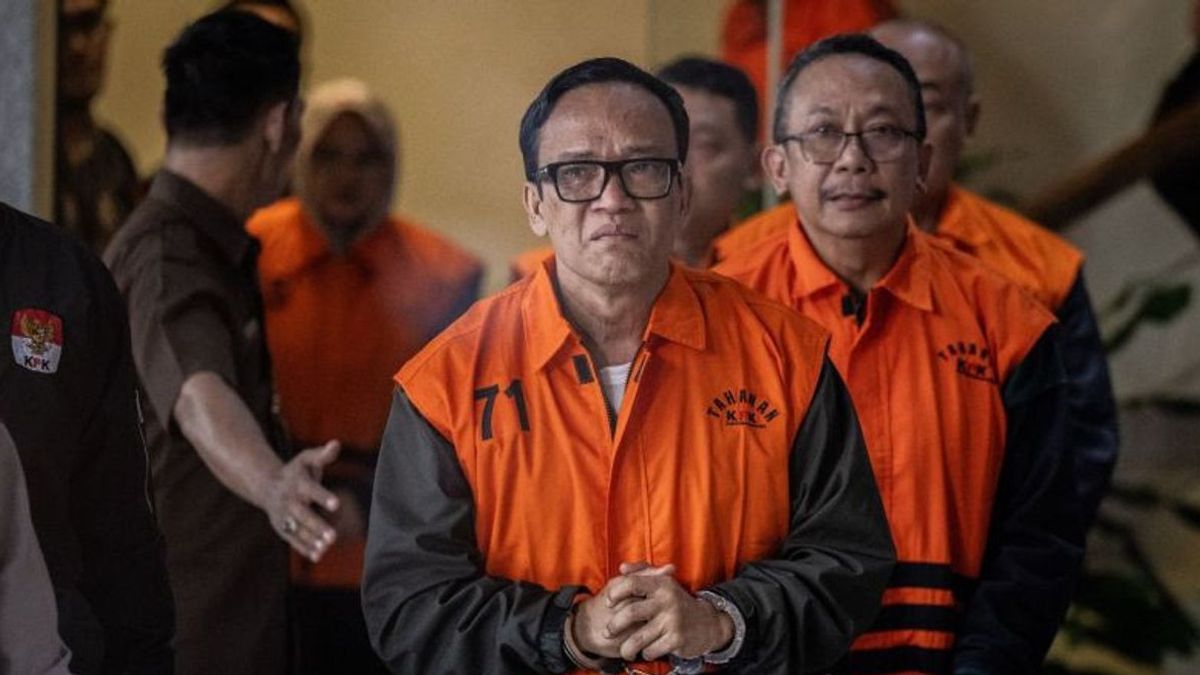


Immanuel Ebenezer, or Noel, became the first official in President Prabowo Subianto's cabinet to be arrested by the Corruption Eradication Commission (KPK). The Deputy Minister of Manpower was named a suspect in extortion related to illegal fees for Occupational Safety and Health (K3) certification. Prabowo quickly dismissed him. It was decisive and swift, but it also left a political scar. Less than a year into his presidency, a presidential aide was caught up in a classic case: corruption.
In front of the cameras, Noel appeared progressive. He diligently conducted surprise inspections. Media cameras recorded him raiding job training centers or reprimanding subordinate officials. He even advocated the death penalty for corruptors. Tragically, he was arrested by the KPK when his name was on the agenda to discuss corruption eradication. He was aware of the extortion practices and allegedly demanded a share of the dirty levies.
This contradiction is stark. Officials who appear to be fighting corruption are actually part of a corrupt system. Noel's case exposes one crucial issue: surprise inspections are merely a publicity stunt, lacking any substantial action.
Labor observer Payaman Simanjuntak called Noel's case both ironic and a stern warning to the Ministry of Manpower. He believes Noel is preoccupied with spot checks to appear to be working, but not addressing the root of the problem. Weak internal oversight. Allegedly, he's been extorting money. Occupational health and safety extortion is nothing new. Employers have long complained of being extorted, processes lacking transparency, and costs outside regulations. Instead of addressing these issues with a digital system, these practices are being perpetuated.
President Prabowo Subianto reacted swiftly. He fired Noel and warned all members of the Red and White cabinet: "Don't even try corruption." This stance is consistent with campaign promises, but the public demands more. Symbolic actions are not enough. Institutional reform and dismantling the rent-seeking network are a major task ahead.
Noel's career was actually extraordinary. From an online motorcycle taxi driver, he rose through volunteer movements and political ties with Jokowi, eventually entering Prabowo's inner circle. It was a success story that became the talk of the town. But it all came crashing down due to a classic problem: not being able to resist the temptation of illicit money. The irony becomes even more bitter, or even more comical, when Noel hopes for amnesty from the President.
Aloysius Uwiyono, a labor observer from the University of Indonesia, emphasized the importance of public officials' commitment to maintaining integrity. He even suggested that the death penalty could be an instrument to curb corruption. This is a demand Noel had often made in the past, but which later became his own.
Now the public is waiting to see who will replace Noel in the hot seat of Deputy Minister of Manpower. Some have suggested a woman, for a change of scenery and the hope of a clean slate. There are also whispers in coffee shops that a labor activist will be the replacement. But the real problem goes deeper than just a name.
Noel's case opens a Pandora's box of Indonesian bureaucracy. Surprise inspections and the spotlight can create the perception of work, but they don't guarantee change. He fell because of the stage he built himself. That stage both made him great and killed him.
The message is clear: In the era of image, officials can deceive the camera, but they can't deceive the facts. And the facts this time are cruel—Immanuel Ebenezer is the first victim. Remember, we are currently in the post-truth era. Where perception is sometimes stronger than fact. This is also a message for President Prabowo Subianto: Don't be dazzled by the image of your subordinates.
The English, Chinese, Japanese, Arabic, and French versions are automatically generated by the AI. So there may still be inaccuracies in translating, please always see Indonesian as our main language. (system supported by DigitalSiber.id)
Most Popular Tags
#Prabowo Subianto #donald trump #firearm #8791 #giias 2026Popular


