



Japan is considering using about 500 billion yen ($3.1 billion) in reserve funds to hold down bills for electricity and household gas in the summer.
A government source said the subsidy was prepared because the Middle East crisis and the effective closure of the Strait of Hormuz could potentially push up energy prices in Japan.
Japan is vulnerable to being hit because it is poor in natural resources and highly dependent on energy imports. When supply lines are disrupted, household bills can go up.
The Japanese government is said to be preparing a household subsidy that is much larger than the July-September period last year.
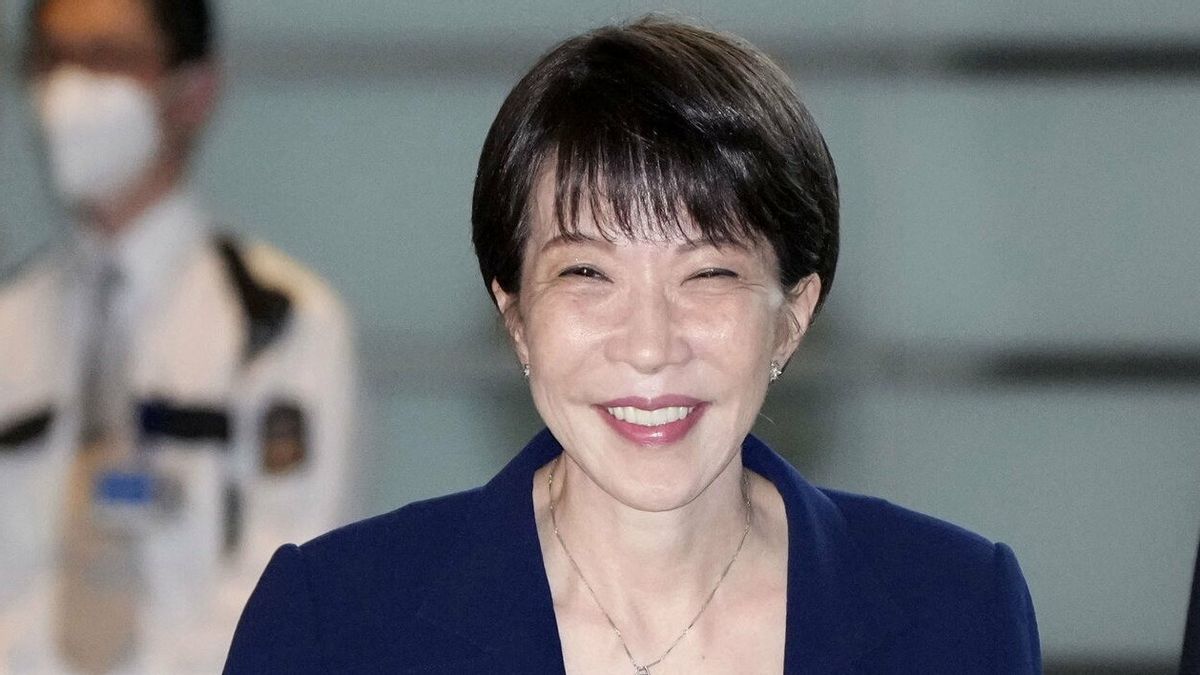
The plan comes after Prime Minister Sanae Takaichi on Monday asked the Liberal Democratic Party and its coalition partner, the Japan Innovation Party, to draw up detailed measures to curb electricity and gas bills.
The target is that the electricity and gas bills this summer will remain lower than last summer.
Electricity demand in Japan usually rises during the summer as air conditioning use increases.
Last summer, the average household's electricity and gas bills fell by about 1,000 yen per month thanks to government subsidies. At that time, the reserve fund used reached 288.1 billion yen from the 2025 fiscal budget.
This time, the figure could be much larger. The government is considering funds of around 500 billion yen, almost double last year's use.
Electricity and gas subsidies are not new to Japan. The program has been implemented several times in recent years, especially during the summer and winter when cooling and heating needs rise.
The program was first introduced in January 2023, when energy prices soared due to Russia's invasion of Ukraine. Now, pressure is coming from another direction, namely the Middle East crisis and the Strait of Hormuz.
The English, Chinese, Japanese, Arabic, and French versions are automatically generated by the AI. So there may still be inaccuracies in translating, please always see Indonesian as our main language. (system supported by DigitalSiber.id)
Most Popular Tags
#Prabowo Subianto #donald trump #2026 World Cup #Febrie Adriansyah #8791Popular


