



Archaeologists have discovered a Roman-era sanctuary complex beneath Frankfurt, Germany, which is thought to hold traces of ancient rituals, including possible human sacrifice. The Independent, quoted on Friday, April 10, reported that the findings were considered important because the location had been almost undisturbed since the early 2nd century AD.
The site is in the ancient city of Nida, Frankfurt. Researchers supported by the German Research Foundation (DFG) and the Swiss National Science Foundation (SNF) are now continuing to study the complex. Some areas first appeared in excavations from 2016 to 2018, then reappeared in 2022 when a new elementary school was being built.
At the location, archaeologists found a walled complex that is still relatively intact since the Roman period. Inside there are 11 stone buildings built in several stages. In addition, there are about 70 shaft holes and 10 basins or earth pits that are suspected to be used to place offerings in religious ceremonies.
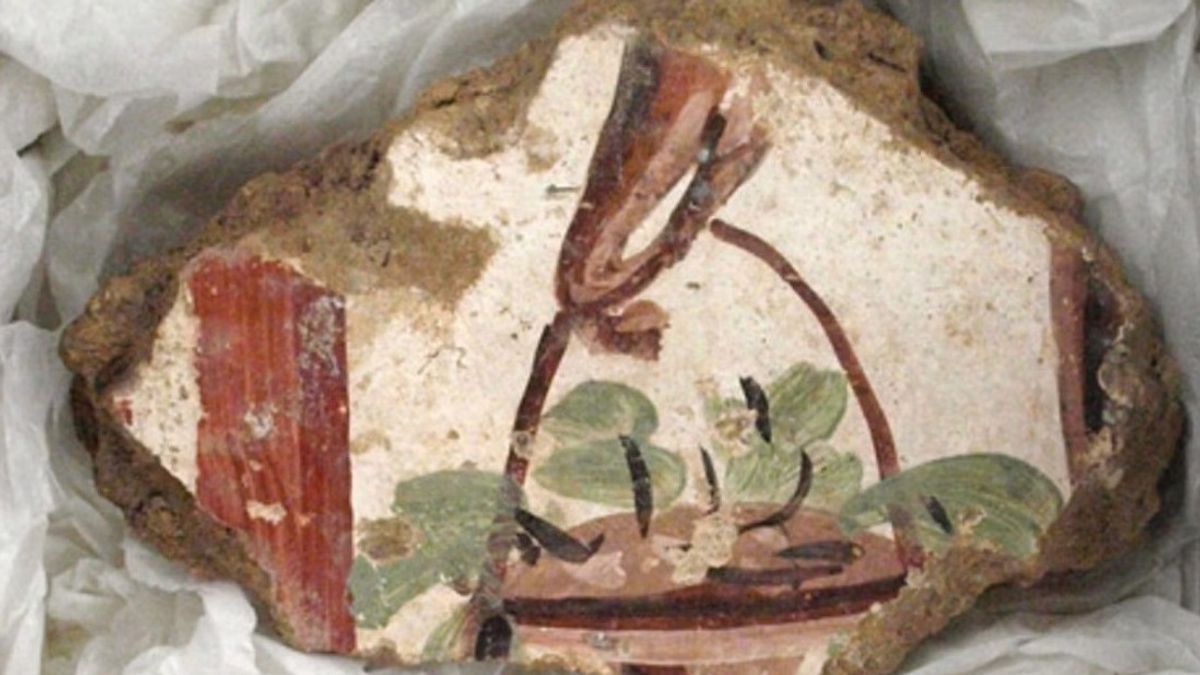
From these holes, the team found ceramic vessels, plant remains, as well as animal remains such as fish and birds. Researchers suspect that the objects and remains are part of ritual food and offerings for the gods.
However, the findings at this site do not stop there. Researchers also found clues that point to the possibility of human sacrifice. If proven, findings like this are very rare for the region.
Until now, researchers have not been able to determine which god was the most worshiped at the site. However, a number of names emerged, such as Jupiter, Jupiter Dolichenus, Mercurius Alatheus, Diana, Apollo, and Epona. The mixture of god names suggests that this place may have been an important religious center for the surrounding area.
According to archaeologists, the shape of the buildings in the complex is also unusual. They say there is no known similar site in the Roman regions of Germania and Gaul. In other words, this place is not only old, but also unique.
In addition to buildings and ritual holes, the team found more than 250 Roman coins and more than 70 clothing hooks made of silver and bronze. Some of the objects are still intact. According to researchers, objects like these are commonly used as offerings at Roman sanctuaries in various imperial regions.
A dedication inscription from a soldier to Mercurius Alatheus dated 246 AD indicates that this sanctuary was still active at least until the middle of the 3rd century. Researchers estimate that the site was only abandoned around 275 or 280 AD.
The head of the Frankfurt City Department of Culture and Science, Ina Hartwig, according to The Guardian, called the Nida main cult district an archaeological find of almost unparalleled importance in Europe. Meanwhile, a member of the Frankfurt City Council for Planning and Housing, Marcus Gwechenberger, said the discovery during the construction of the Römerstadtschule showed how the past and the future meet in the city.
The English, Chinese, Japanese, Arabic, and French versions are automatically generated by the AI. So there may still be inaccuracies in translating, please always see Indonesian as our main language. (system supported by DigitalSiber.id)


