
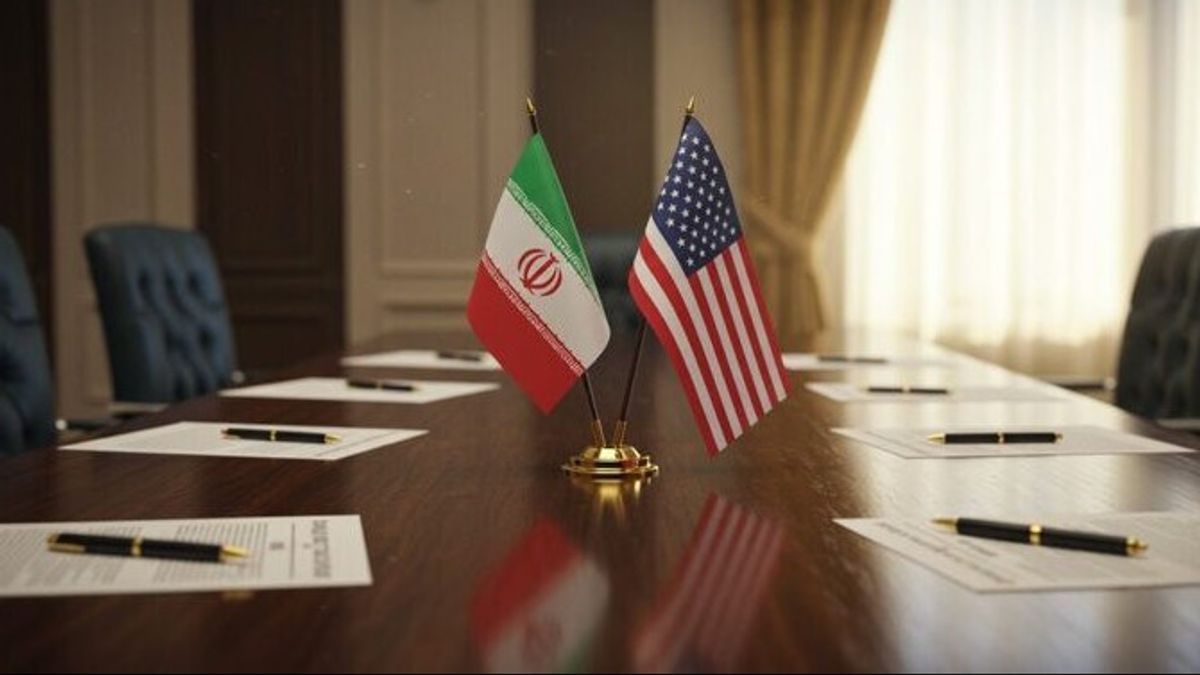


JAKARTA - Special Presidential Envoy for the Middle East Steve Witkoff and Donald Trump's son-in-law, Jared Kushner, are likely to represent the US in talks with Iran in Islamabad starting Friday, a senior Pakistani official told Anadolu on Wednesday after the South Asian country secured a ceasefire between the two warring parties.
Meanwhile, on the Iranian side, continued the official, who asked his name to be kept confidential, can be represented by Tehran's chief diplomat, Abbas Araghchi and Speaker of Parliament Bagher Ghalibaf, quoted from Anadolu (8/4)
Pakistan's Foreign Minister Ishaq Dar, who played an active role in negotiating the end of the 39-day battle, will also join the important talks, the official added.
Earlier, Pakistan Prime Minister Shehbaz Sharif said on Wednesday, Islamabad will host a meeting of a delegation from the United States and Iran this weekend, following the announcement of a Middle East ceasefire.
"I express my deep gratitude to the leaders of both countries and invite their delegations to Islamabad on Friday, April 10, 2026, to further negotiate to reach a conclusive agreement to resolve all disputes," he said in a post on X, launching Al Arabiya.
There was no official announcement from either side regarding their representatives in the talks.
US President Donald Trump seems to confirm that Witkoff and Kushner will fly to Islamabad for talks with the Iranians.
However, Trump told the New York Post that US Vice President Vance might be absent because "there is a security issue."
Separately, Tehran has confirmed its participation in the talks, while the format of the negotiations is still unknown.
President Trump said face-to-face talks would take place "soon, actually - will be taking place very soon."
Previously, Islamabad had facilitated indirect talks between Washington and Tehran.
Eastern areas are tense as the latest conflict between the US-Israel and Iran broke out on February 28,
Iran responded by launching attacks on Israel and US-related facilities in a number of countries in the Middle East, severely restricting traffic in the Strait of Hormuz, through which a fifth of crude oil and liquefied natural gas supplies pass every day.
The English, Chinese, Japanese, Arabic, and French versions are automatically generated by the AI. So there may still be inaccuracies in translating, please always see Indonesian as our main language. (system supported by DigitalSiber.id)


