



JAKARTA - The DKI Jakarta Provincial Government has started implementing a flexible work policy for state civil servants (ASN) with a work from home (WFH) scheme every Friday.
This policy is contained in the Circular Letter of the Governor of DKI Jakarta Number 3/SE/2026 concerning the Transformation of the Work Culture through the Adjustment of the Implementation of the Duties of the ASN Service.
This rule is a follow-up to the Ministry of Home Affairs' instructions regarding changes in work patterns in local government environments in order to be efficient and save energy.
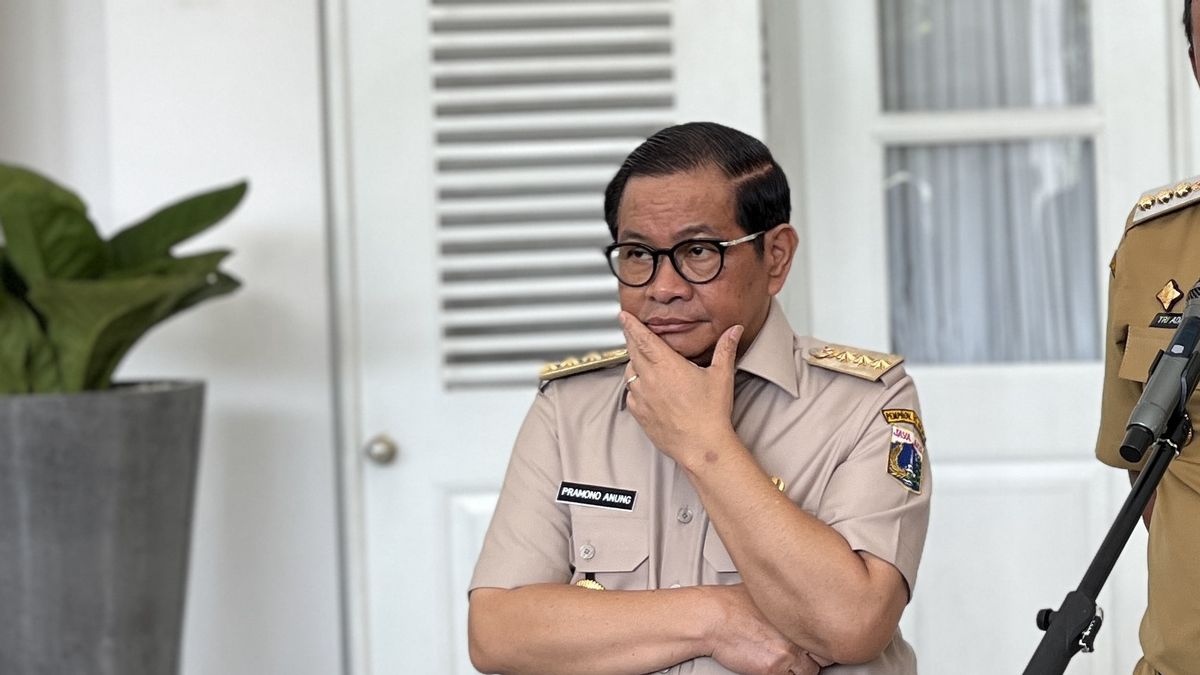
In the SE, DKI Jakarta Governor Pramono Anung stated that not all ASN can work directly from home. There are conditions and restrictions that must be met. Employees who are still in the process of disciplinary punishment or have not worked enough, are not allowed to follow this scheme.
'Employees who can carry out WFH must meet the following criteria: they are not undergoing or in the process of disciplinary punishment; and/or have worked for more than 2 years', wrote Pramono in the SE, quoted Tuesday, April 7.
The DKI Provincial Government also limits the number of employees who can carry out WFH in one work unit. The scheme should not be all of them, but only a portion with consideration for service needs.
"The proportion of ASN employees who can carry out WFH is at least 25 percent or at most 50 percent of the number of ASN employees in the smallest sub-field/sub-section/section/sub-group/work unit that is carried out selectively by considering the characteristics of tasks and types of work in each work unit," said Pramono.
During the implementation of WFH, ASN is still required to follow the rules of work discipline, including attendance and daily performance reporting. Attendance is carried out twice a day, namely morning and afternoon, according to the time specified in the circular.
Pramono also emphasized that ASN who violated the rules during WFH could be sanctioned, ranging from revocation of WFH rights to disciplinary sanctions.
"ASN employees who do not comply with the code of conduct will be subject to sanctions in the form of not being allowed to carry out WFH and/or disciplinary sanctions in accordance with the provisions of laws and regulations," he said.
Even so, not all work units can implement WFH. Services that directly contact the public must still run normally in the office.
Some of them include health services, education, licensing, cleanliness, and public order. In addition, structural officials such as high-level leaders, camats, and lurah are also not included in this WFH scheme.
The English, Chinese, Japanese, Arabic, and French versions are automatically generated by the AI. So there may still be inaccuracies in translating, please always see Indonesian as our main language. (system supported by DigitalSiber.id)
Most Popular Tags
#Prabowo Subianto #donald trump #firearm #8791 #giias 2026Popular


