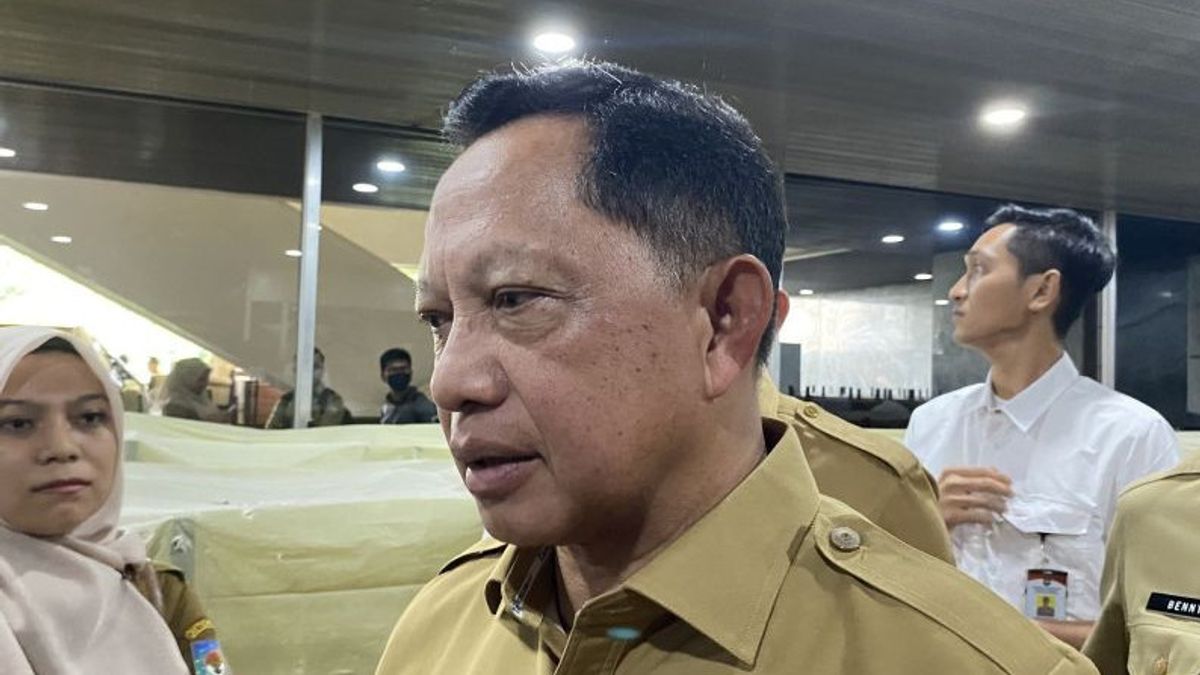


JAKARTA - Minister of Home Affairs (Mendagri) Tito Karnavian said the certainty regarding the policy of working from home (WFH) in order to save energy in the midst of global dynamics will be announced on Tuesday (31/3).
"Just be patient, that's what I heard, most likely, most likely, yes, it will be officially delivered tomorrow. So, I don't want to get ahead of myself," said Tito as quoted by ANTARA, Monday, March 30.
Tito was reluctant to provide details regarding the WFH policy. However, he ensured that the Ministry of Home Affairs would later issue a more detailed appeal to the local government (Pemda).
"Yes, there must be (appeals to local governments)," he said.
Coordinating Minister for the Economy Airlangga Hartarto, previously, ensured that the government would soon announce the WFH policy before the end of March.
"It will be announced (the WFH policy) before the end of the month (March)," said Airlangga when met at his office, Jakarta, Friday (27/3).
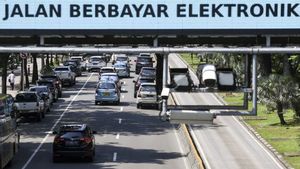
The policy was initiated as a step to reduce the consumption of petroleum products (BBM) amid global energy price pressures.
The WFH scheme, explained Airlangga, is planned to be valid one day a week for state civil servants (ASN), including civil servants (PNS) and government employees with work agreements (PPPK).
Meanwhile, for the private sector, the policy will be an appeal.
On the other hand, Minister of Finance Purbaya Yudhi Sadewa assessed that this policy would not disrupt national economic productivity, and even potentially provide energy efficiency.
According to Purbaya, from the fiscal and economic activity perspective, the WFH policy will not have a significant impact on national productivity if it is implemented selectively.
"No (it doesn't bother), if we choose carefully. If we choose Friday, then there must be a fuel saving of how much percent, I don't know the details because it can change depending on the price of oil," he said when met at the Presidential Palace complex, Jakarta, Friday (27/3).
The Minister of Finance explained that strategic sectors such as the manufacturing industry and public services would continue to run normally because not all types of work can be done remotely.
In addition, the implementation of WFH is considered to have the potential to reduce fuel consumption due to reduced community mobility, although the amount of savings still depends on the price of oil.
The English, Chinese, Japanese, Arabic, and French versions are automatically generated by the AI. So there may still be inaccuracies in translating, please always see Indonesian as our main language. (system supported by DigitalSiber.id)