

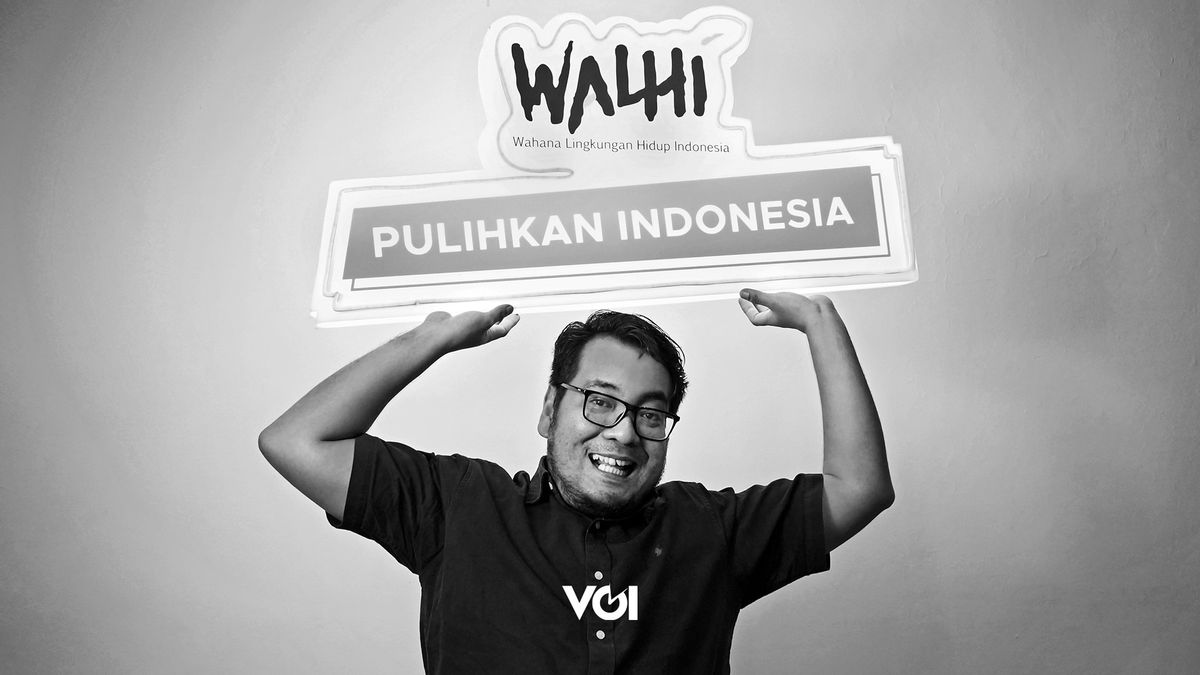


JAKARTA - The Indonesian Environmental Agency (WALHI) emphasized that the revocation of 28 investment permits in Sumatra is not the end of the environmental struggle. This government step must be the initial momentum to evaluate the total licensing of extractive industries and restore the rights of the people and ecosystems that have been damaged for decades.
The accumulation of capital activities in the forestry sector, oil palm plantations, and mining has led to a significant reduction in the carrying capacity and carrying capacity of the environment in the Aceh, North Sumatra, and West Sumatra regions.
Demand Corporate Responsibility and Ecosystem Protection
WALHI Executive Director, Boy Jerry Even Sembiring, emphasized that the state must ensure that the ex-concession land is not transferred to other corporations, both state-owned and private.
"The revocation of permits will not have any meaning without a recovery plan. These companies must be forced to recover environmental losses and community losses after taking advantage of Sumatra's nature for so long," said Even Sembiring.
North Sumatra focus: PT Toba Pulp Lestari (TPL) case
WALHI highlighted in particular the revocation of the permit for PT Toba Pulp Lestari (TPL). The company, formerly known as PT Indo Rayon, has a long history of conflict since the 1980s.
Rianda Purba, Executive Director of WALHI North Sumatra, urged two crucial steps after the revocation of the TPL permit:
Land Redistribution: The state must return ex-land concessions to indigenous people who have been in conflict with companies for decades. Holding Responsibility: Ensuring PT TPL and Royal Golden Eagle (holding company) carry out comprehensive environmental restoration.West Sumatra Law Enforcement Criticism: PETI Still Flourishes
In West Sumatra, the revocation of permits targeted companies in the Mentawai Islands such as PT Minas Pagai Lumber, PT Biomassa Andalan Energi, and PT Salaki Suma Sejahtera. However, WALHI considers that the government is still indifferent to Unauthorized Gold Mining (PETI).
Wengky Purwanto, Executive Director of WALHI West Sumatra, regretted the slow action of the police against the PETI perpetrators who were the main cause of the flood disaster in the region.
"Without a firm legal trap for PETI perpetrators, similar disasters will continue to recur because there is no deterrent effect," said Wengky.
Irregularities in the Revocation of Permits in Aceh
The Executive Director of WALHI Aceh, Ahmad Solihin, found irregularities in the list of permit revocation in Aceh. Several companies on the list were revoked their permits since 2022, such as PT Rimba Timur Sentosa and PT Rimba Wawasan Permai.
WALHI Aceh suggests that the government should focus more on evaluating companies that contribute directly to flood disasters in river basins (DAS), namely:
PT Tualang Raya (East Aceh - DAS Jambo Aye) PT Wajar Korpora (Aceh Tamiang - DAS Tamiang) PT Tusam Hutani LestariNext Steps: Revision of the Spatial Plan of Sumatra Island
As a long-term step, WALHI urges the government to:
Moratorium on New Permits: Not issuing new extractive industry permits in concession areas that have been revoked. Participatory Evaluation: Involve the community in reviewing existing permits. Spatial Revision: Adjust the spatial policy of Sumatra based on the carrying capacity and capacity of the environment.This revocation of permits must set a good precedent for cleaning Sumatra of investments that contribute to "capital disaster" and returning environmental sovereignty to the people.
The English, Chinese, Japanese, Arabic, and French versions are automatically generated by the AI. So there may still be inaccuracies in translating, please always see Indonesian as our main language. (system supported by DigitalSiber.id)
Most Popular Tags
#Prabowo Subianto #donald trump #2026 World Cup #Febrie Adriansyah #8791Popular


