


JAKARTA - A hacker who worked for the Sinaloa drug cartel managed to obtain phone records from FBI officials and used Mexico City surveillance cameras (CCTV) to help track and kill informants of the agency in 2018, the US Department of Justice said in a report issued on Thursday.
The incident was disclosed in an audit by the Inspector General of the Department of Justice on the FBI's efforts to mitigate the impact of "technical surveillance everywhere," a term used to describe the global deployment of cameras and rapidly growing trade in large storage of communications, travel, and location data.
The report said the hacker was working for a cartel run by "El Chapo," referring to the Sinaloa drug cartel run by Joaqu
The report said the hacker identified an FBI legal assistant at the US Embassy in Mexico City and could use the top phone number "to obtain calls made and received, as well as geolocation data."
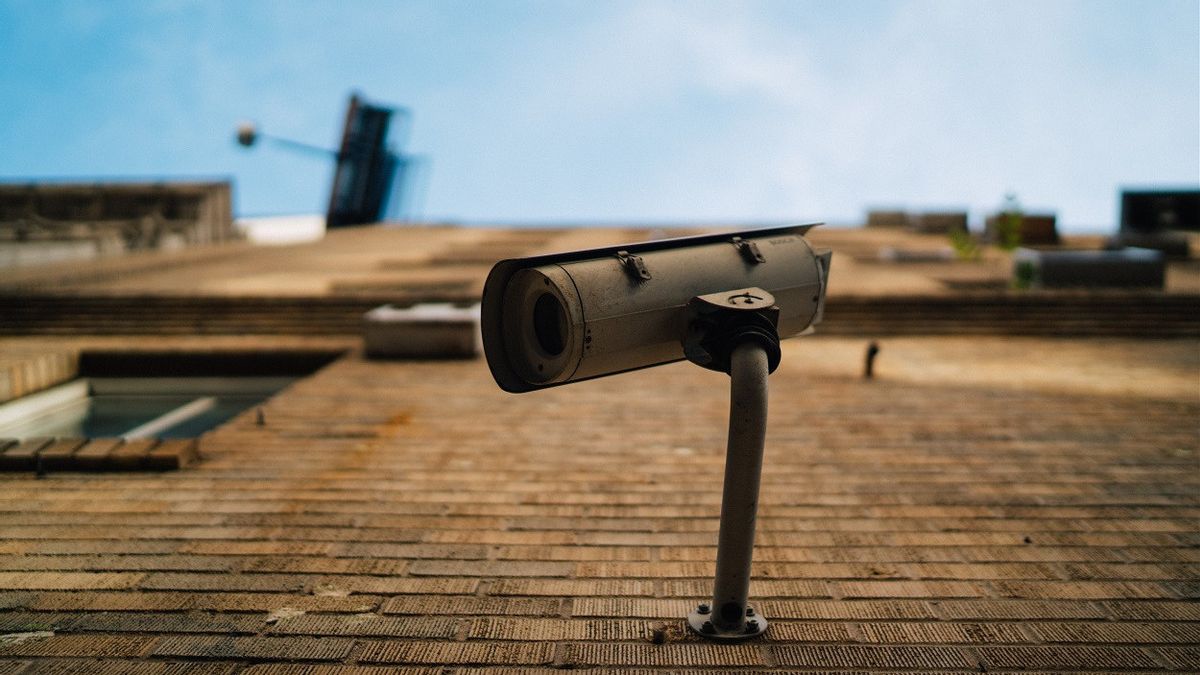
Not only that, the report said the hackers also "used Mexico City's camera system to follow (the FBI official) through the city and identify the people (officials) encountered."
The report also said "the plot uses the information to intimidate and, in some cases, kill potential sources or cooperating witnesses."
The report did not identify the alleged hacker, attache, or victim.
The US Embassy in Mexico referred questions to the State Department and Justice, which did not immediately reply to messages seeking comment. The FBI and El Chapo's lawyers did not immediately reply to messages asking for comment.
The collection of detailed location data from people's phones by a variety of commercial and official actors, combined with growing surveillance camera coverage, has caused complex issues for intelligence and law enforcement officials, many of whom rely on classified informants.
SEE ALSO:





The report says the latest technological advances "have made it easier for under-sophisticated countries and criminal companies to identify and exploit vulnerabilities" in the global surveillance economy.
It said the FBI had a strategic plan to reduce the vulnerability and made some recommendations, including more training for bureau personnel.
The English, Chinese, Japanese, Arabic, and French versions are automatically generated by the AI. So there may still be inaccuracies in translating, please always see Indonesian as our main language. (system supported by DigitalSiber.id)


