

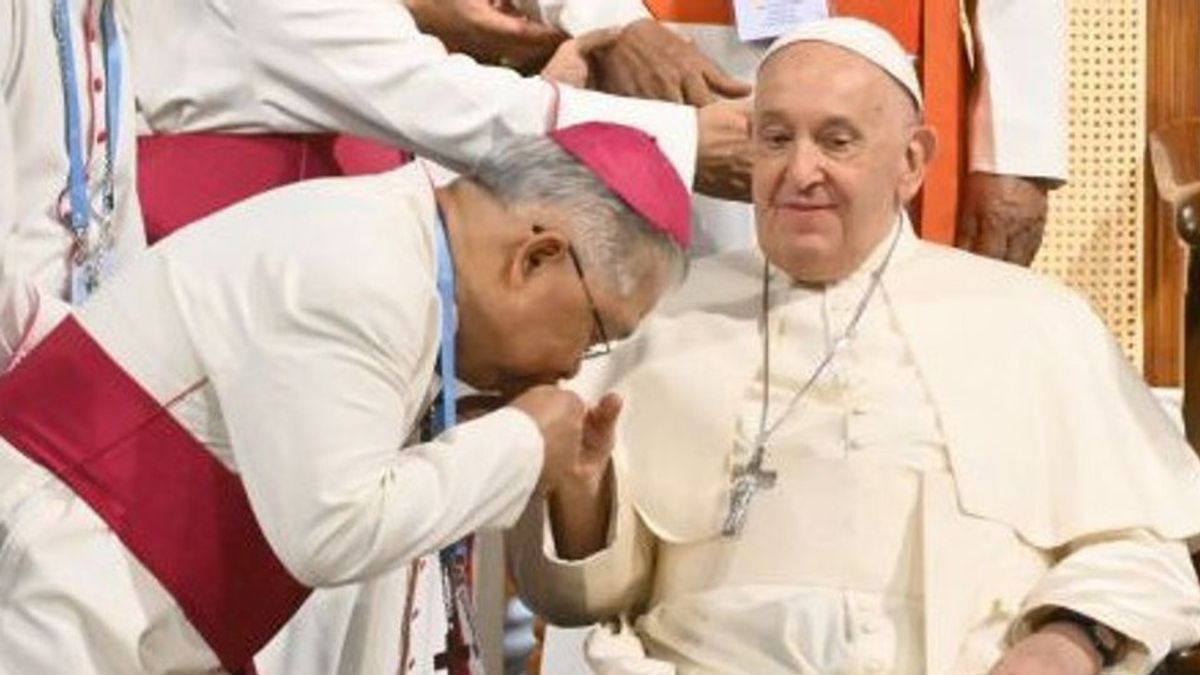


The cardinal is one of the important positions in the Catholic Church. His position is very special because the cardinal is the Pope's main aide in regulating church affairs globally. Let's know more about what cardinality is in the management structure of the Catholic Church.
Apart from being an advisor to the Pope, the cardinals also have the special right to choose a new Pope if the Holy Throne is empty (secret vaccine). That is why the cardinal position is a figure who has a big influence in the hierarchy of the Catholic Church.
In Church life, cardinal positions are not only symbolic, but are very real in decision making, both in theological, administrative, and pastoral aspects. Therefore, the selection of a person to be a cardinal is not trivial, but through careful consideration by the Pope himself.
The term "ordinate" comes from the Latin word cardo which means "cellular". The mention of this term symbolizes that cardinals are "cellular" or the main pillars in the life and structure of the Church.
The cardinal position became known since the 8th century. However, it was only officially regulated by Pope Nikolaus II in 1059, through my opinion that only cardinals have the right to choose the Pope.
Initially, the cardinals only came from the Church in Rome because they were priests, directors, or bishops who served in the Roman Diocese region. However, along with the increasingly universal development of the Catholic Church, cardinal positions were given to bishops from various parts of the world.
In general, cardinals have three main tasks, namely:
The cardinal was appointed by the Pope to be his assistant and advisor in various aspects of Church life. They are usually members of various councils or congregation within the Roman Kuria, namely the central administrative structure of the Catholic Church.
One of the most important functions of a cardinal is choosing the Pope in a secret meeting called the conclave. Only cardinals under the age of 80 are entitled to participate in the conclave.
Many cardinals are also appointed as important diocese leaders in the world, such as the Archbishop of New York, the Archbishop of Paris, or the Archbishop of Jakarta. In this capacity, they also carry the pastoral responsibility of the people in their respective regions.
Traditionally, cardinals are divided into three levels, although their role nowadays is more ceremonial:
The appointment of a cardinal is the prerogative of the Pope. The Pope can choose who is considered worthy of being a cardinal, although in general the elected bishops are. But in its history, there are also priests, even laymen, who are appointed as cardinals (although very rare and usually have to be colonized first).
Whenever there is a consorti, an official meeting announced by the Pope, he will announce the names to be appointed cardinals. After the announcement, the new cardinals will receive red berettas (a typical cardinal hat) and cardinal rings, as a sign of their position.
The red color worn by cardinals is not without meaning. Red symbolizes their readiness to maintain Catholic faith even to the last drop of blood. This color is also a symbol of courage, determination, and a high spirit of service.
SEE ALSO:
-
 | BERITA
Budaya Indonesia Curi Perhatian di Festival Budaya Internasional Arab Saudi
17 April 2025, 01:07


That's a review of what cardinals are and their duties in the Catholic Church. The cardinal is not only the Pope's main advisor, but also plays an active role in maintaining the universal survival of the Church. Also read why the leader of the Catholic Church is called the Pope.
Stay up to date with the latest domestic and other overseas news on VOI. We present the latest and updated information nationally and internationally.
The English, Chinese, Japanese, Arabic, and French versions are automatically generated by the AI. So there may still be inaccuracies in translating, please always see Indonesian as our main language. (system supported by DigitalSiber.id)
Most Popular Tags
#Prabowo Subianto #donald trump #earthquake #independence day #8791 #hut riPopular


