
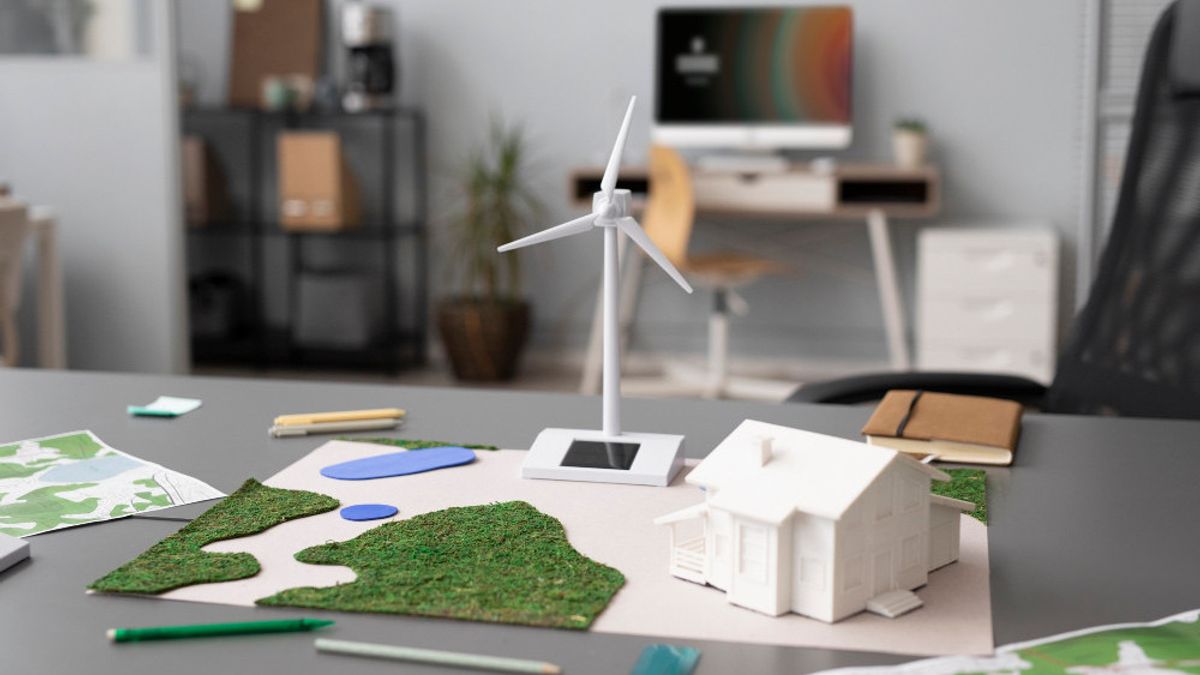


YOGYAKARTA - Eco-friendly home design is now the choice of many people who want to present a comfortable residence while saving energy. This concept not only focuses on appearance, but also how the house can be in harmony with the surrounding natural conditions. With the right approach, you can create a cool, healthy, and efficient living space. Eco-friendly home design is also a smart solution to face today's environmental challenges.
What is environmentally friendly home design?Eco-friendly home design is an approach that prioritizes energy efficiency and the wise use of resources, reported by Architectural Digest, Thursday, April 23. The house is designed to make use of natural light, air flow, and environmentally friendly materials. With this concept, the need for artificial energy such as air conditioning and lights can be reduced. You can also enjoy a more comfortable residence while supporting natural sustainability.
Why is this concept increasingly important?Awareness of environmental impacts makes many people start switching to more sustainable home designs. Environmentally friendly homes help reduce energy consumption and carbon emissions from daily activities. In addition, this type of residence usually provides a fresher and more calming atmosphere. You can also save electricity costs in the long run without sacrificing comfort.
Materials play an important role in creating environmentally friendly homes. Natural materials such as wood, stone, and clay are able to help keep the room temperature stable. In addition, local materials tend to be more suitable for local climatic conditions and more efficient in their use. With the right choice, your home can feel more cool without much additional technological assistance.
Optimizing air circulation and natural lightGood air circulation makes the house feel fresher and not stuffy. You can apply cross ventilation so that the air can flow optimally throughout the room. In addition, natural lighting from the sun is also important to reduce electricity use during the day. The placement of windows and the orientation of the building are the key to keeping the house bright and comfortable.
Introducing green elements in the residenceAdding plants inside or around the house can naturally improve air quality. Green elements also help lower the ambient temperature so that the house feels cooler. In addition, the presence of plants provides a calming and refreshing aesthetic touch. You can create a more lively and harmonious home atmosphere with nature.
Simple tips to start environmentally friendly designYou can start with small steps such as choosing more environmentally friendly and durable materials. Also pay attention to energy use by maximizing natural light and air. Adding open spaces or green areas can also be an effective choice. With consistent habits, your home can become more comfortable and sustainable.
Eco-friendly home design is a smart way to present a comfortable residence without neglecting natural sustainability. By utilizing the right materials and efficient design strategies, you can create an energy-efficient and healthy home to live in. This concept is not only a trend, but also a need in the midst of current environmental changes. So, start applying eco-friendly home design so that your residence remains comfortable and has a positive impact on the future.
The English, Chinese, Japanese, Arabic, and French versions are automatically generated by the AI. So there may still be inaccuracies in translating, please always see Indonesian as our main language. (system supported by DigitalSiber.id)
Popular


