



JAKARTA - For many Indonesians, Ramadan is synonymous with takjil, kolak, gorengan, and the atmosphere of ngabuburit. In Saudi Arabia, the atmosphere has a different "color", but the taste is still the same: the holy month is a moment for family gatherings, sharing food, and strengthening social bonds.
There, the Ramadan menu feels special because many dishes do appear almost exclusively in this month. Because Muslims fast from dawn to sunset, the tradition associated with food is one of the most prominent parts of the local culture, although in various regions of Saudi Arabia there are still similar patterns at the iftar table.
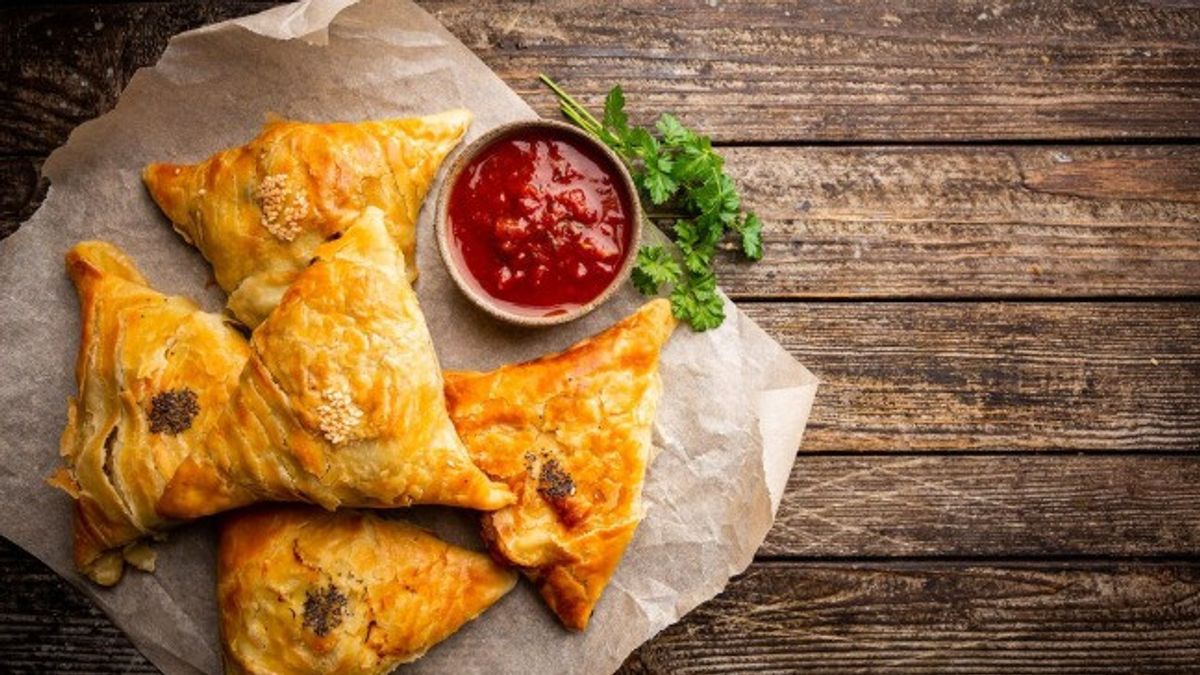
As reported by arab news, Friday, February 27, which is almost always there is dates. Dates are used for breaking the fast following the tradition of the Prophet Muhammad SAW. On the Saudi table, dates are usually paired with Arabic coffee, soup, and fried or baked stuffed snacks, such as samboosa. Sambossa is a fried or baked pastry in the shape of a triangle with a crispy crust. Filled with seasoned potatoes, onions, peas, minced meat, or vegetables, and served together. For those who like sweets, Vimto drinks are often the choice to quench their thirst.
As for desserts, some of the most common are kunafa, a layered cake that is poured with sugar syrup and filled with cheese or cream, as well as logaimat, small balls of fried dough that are poured with sweet syrup. There is also qatayef, pancakes filled with cream or nuts.
Even though there are "general" menus, each region in Saudi Arabia has its own characteristics. In the central region, many Najd people prepare hanini, a food similar to porridge made from dates, wheat flour, samin, and sugar. There is also jarish, a savory dish made from mashed wheat cooked with lamb meat and vegetables, usually accompanied by matazeez and margoog, wheat dough served like small pieces.
In the western region, there is a very popular pair: namely foul and tamees. Foul is a fava bean stew, eaten with soft tamees bread. This bread is baked in a traditional open oven and is believed to have originated in Afghanistan. The typical drink in this region is sobia, a refreshing Ramadan drink, made from wheat flour and malt flour.
In the Eastern Province, people usually break the fast with saloona, meat and vegetable stew. The accompaniment is often balaleet, thin vermicelli noodles that can be made sweet or savory, then topped with an egg layer. For dessert, sago, which is made from starch taken from the trunk of the sago tree, is one of the favorite choices.
Even though it looks like "Ramadan is about food", there is another tradition that is also strong. Lujain Ahmad, a lover of traditional cuisine, quoted from arab news, said that although Saudi cuisine is very diverse, the components of the Ramadan table are relatively similar. Popular foods in this month tend to be rich in carbohydrates, protein, and fat, but are easy to eat. He also said that social media has a big influence: every year there are always new menus and drinks because of the trend of recipes and serving ideas.
Apart from food, Ramadan fashion and decorations have also evolved to become an important part of family preparations. Ramadan lanterns and accessories with a red nuance with traditional motifs add to the festive atmosphere. Ramadan clothing also tends to be polite. Many women choose long dresses such as jallabiya, which have recently become more varied because they are inspired by motifs from various Arab regions and the Muslim world. Its popularity has even created a profitable market for local fashion designers and social media platforms.
Manal Saleh, a resident of Jeddah, also from arab news, assessed that some of these habits are "new" and not as popular as they were 10 years ago. He said social media influences Saudi behavior and culture, including in religious events. According to him, new practices from social media trends can be very strong, even replacing old traditions. Even so, he still considers both old and new traditions to be equally beautiful and give a special "feel" to Ramadan.
On the other hand, modern life makes the difference between regions thinner. People live a lifestyle that is more similar and easier to imitate. Long Sharif, from the same source, said this situation was not a problem, even gave a beautiful sense of unity, both nationally and regionally.
Sharif recalled his childhood. His family prepared iftar food and distributed it to the congregation in the courtyard of the mosque. "It was a wonderful experience that I will always remember," he said.
The English, Chinese, Japanese, Arabic, and French versions are automatically generated by the AI. So there may still be inaccuracies in translating, please always see Indonesian as our main language. (system supported by DigitalSiber.id)


