


JAKARTA - Chinese New Year celebrations are not only about family gatherings and traditions, but are also full of symbols of hope for the new year. One of the most important symbols is through food.
Many Chinese New Year dishes are believed to bring good luck, prosperity, health, and longevity. Here are 5 foods that are often considered lucky when Chinese New Year, as reported by the Real Simple website on Tuesday, February 17, 2026.
1. Pangsit
Pangsit is a favorite dish during Chinese New Year because its shape resembles ancient gold bars. Therefore, pangsit is believed to symbolize wealth and abundant sustenance. Many families make pangsit together as a symbol of cooperation and hope for prosperity in the new year. The contents of the pangsit are usually minced meat, shrimp, or vegetables.
2. Whole Fish
Fish is a symbol of abundance and luck. In the Chinese New Year tradition, fish is usually served whole with head and tail as a symbol of full sustenance from the beginning to the end of the year. In fact, it is often recommended not to finish the fish, because the leftovers symbolize that the sustenance is abundant.
3. Mi
Long noodles symbolize the hope of a long life and a smooth life. Because of this meaning, noodles should not be cut while cooking or eating. The longer the noodles, the better the meaning. This dish is usually cooked simply with vegetables, meat, or savory broth.
4. Cakes and Desserts
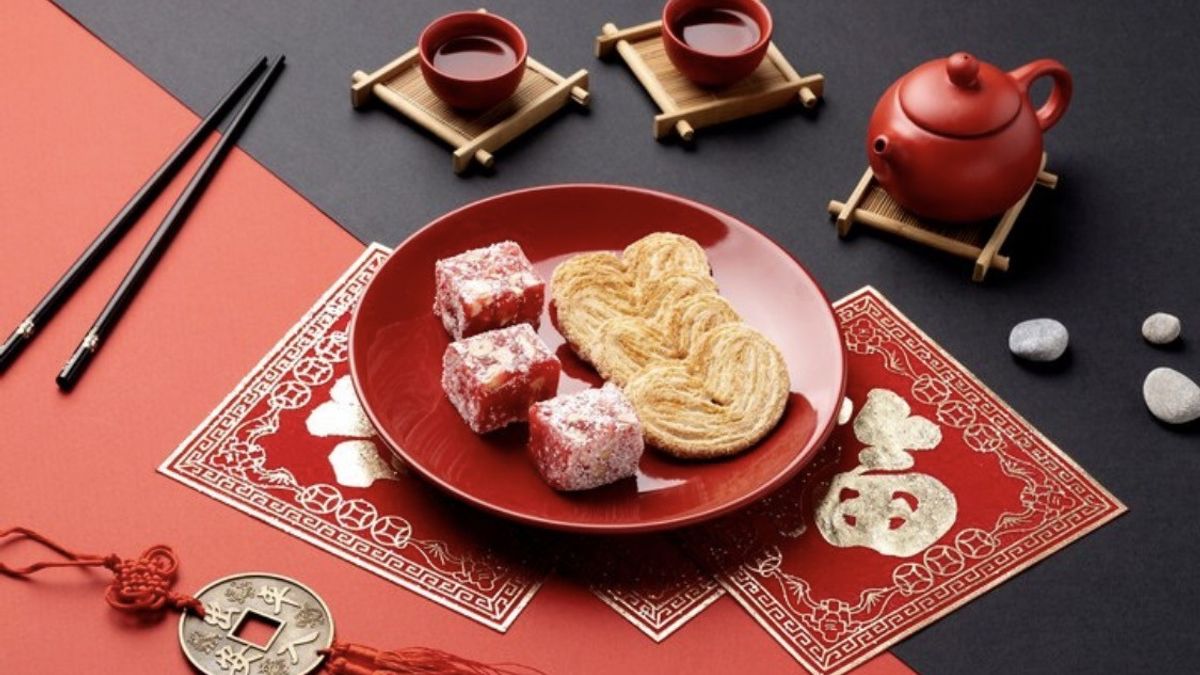
Various sweet foods such as basket cakes, sticky rice pudding, or Chinese New Year-specific sweets symbolize a sweet and happy life. In addition, sweetness is also considered a symbol of a good and pleasant beginning of the year. Trays filled with various sweet snacks are often served to guests as a prayer for a smooth new year.
5. Mandarin Orange
Mandarin oranges are almost always present during Chinese New Year, both as a dish and as a table decoration. This fruit symbolizes luck, success, and wealth because its color resembles gold. Its round shape also symbolizes family unity and togetherness. Giving oranges to relatives when visiting is a common tradition.
The English, Chinese, Japanese, Arabic, and French versions are automatically generated by the AI. So there may still be inaccuracies in translating, please always see Indonesian as our main language. (system supported by DigitalSiber.id)
Most Popular Tags
#Prabowo Subianto #donald trump #firearm #8791 #giias 2026Popular


