
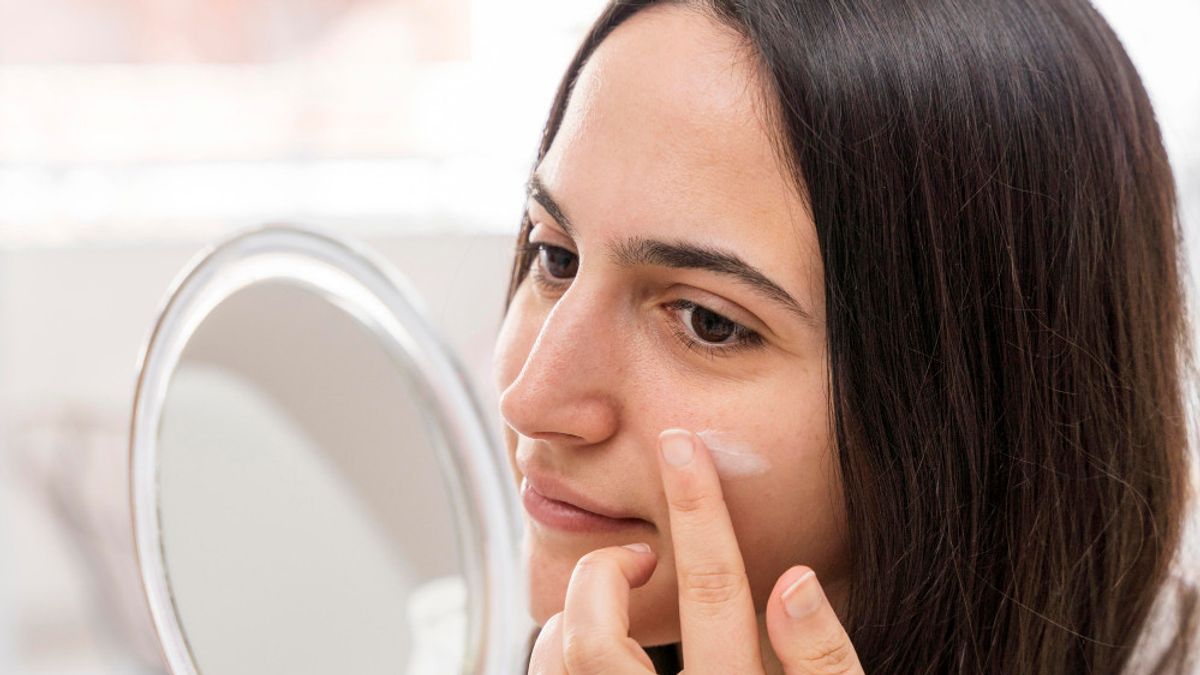


YOGYAKARTA - Sensitive and acne-prone skin requires extra attention, including the order of using skincare. The wrong step can make the product not work optimally, even trigger irritation or new acne. Therefore, understanding the correct skincare order is very important so that the skin remains calm and well-maintained. Here is a practical guide that you can follow.
1. Cleanse your face with a gentle cleanserCleansing the face is an initial step that should not be missed. Choose a gentle, alcohol-free, and fragrance-free face cleanser so as not to trigger irritation on sensitive skin. It is important that you know, that the cleanser helps remove excess oil, dirt, and product residue that sticks to the skin. Therefore, quoting Verywell Health, Thursday, January 22, cleaning the face properly helps prevent clogged pores that can worsen acne.
2. Use a soothing tonerAfter the face is clean, the toner works to restore the pH balance of the skin. For sensitive and acne-prone skin, choose a toner that is soothing and moisturizing. Toner helps prepare the skin to be more ready to receive the next product. If the skin feels sore or dry, this step can be adjusted or even skipped.
Serums contain active ingredients in high concentrations to target specific skin problems. For sensitive and acne-prone skin, serums with ingredients such as niacinamide or hyaluronic acid are often a safe choice. Its light texture makes it easy to absorb into the skin layer. Use as much as necessary so that the skin does not feel heavy or overstimulated.
4. Using spot treatment on acneSpot treatment is applied specifically to the acne area, not to the entire face. Its active content helps relieve inflammation and speed up acne healing. For sensitive skin, use it carefully and do not overdo it. Proper use helps acne to subside faster without making the skin dry, reported by Cosmopolitan.
5. Lock in moisture with a moisturizerMoisturizers play an important role in maintaining the skin barrier, including on acne-prone skin. Choose a moisturizer labeled non-comedogenic so as not to clog pores. Moisturizers help maintain the water balance in the skin and reduce the risk of irritation. Moist skin tends to be more stable and not easily inflamed.
Sunscreen is the last step in the morning before going out. Sun exposure can aggravate acne scars and make sensitive skin more reactive. Use sunscreen with a minimum SPF 30 and apply evenly. Sunscreen helps protect the skin while keeping skincare treatments optimal.
7. Adjust the evening routineAt night, the skincare sequence is almost the same, just without sunscreen. If the skin is used to it, you can add a night care product such as a retinoid with a light dose. Retinoids help regenerate the skin and reduce acne in the long term. However, for sensitive skin, its use must be gradual so as not to trigger irritation.
Understanding the correct order of using skincare for sensitive and acne-prone skin is an important step to make treatments effective. With the right order, each product can work optimally without interfering with each other or triggering new problems. Remember, you don't need too many products, the most important thing is consistency and suitability for your skin condition. If the skin shows signs of irritation, immediately re-evaluate the products used or consult a dermatologist.
The English, Chinese, Japanese, Arabic, and French versions are automatically generated by the AI. So there may still be inaccuracies in translating, please always see Indonesian as our main language. (system supported by DigitalSiber.id)


