
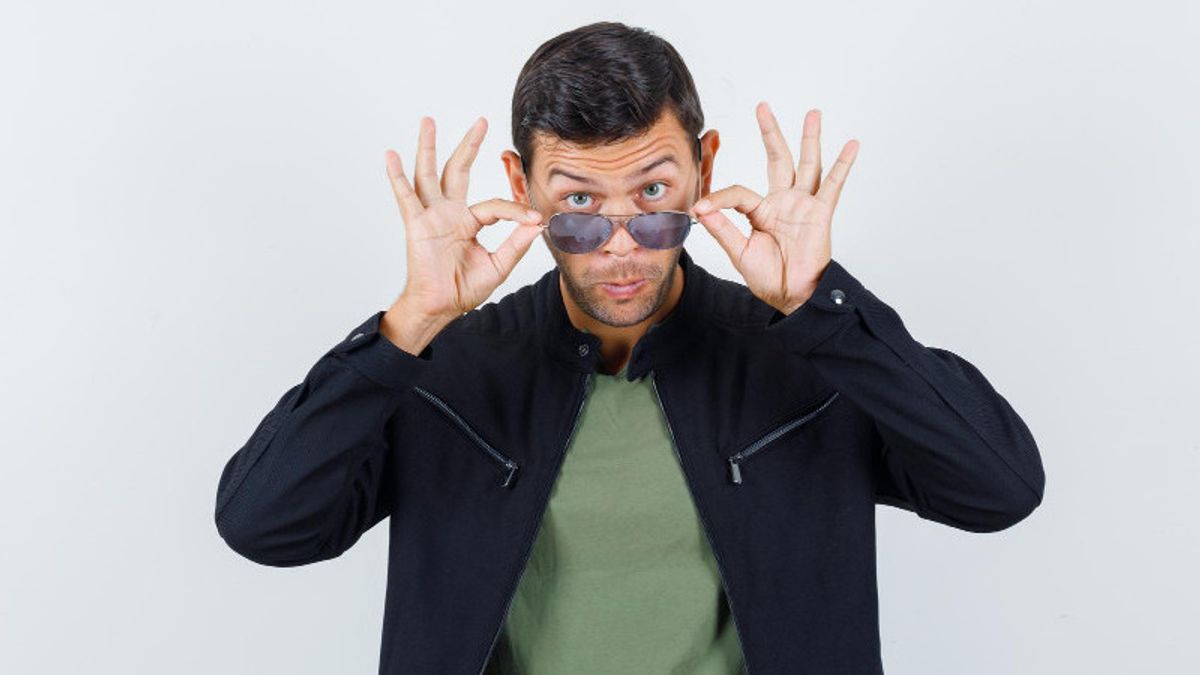


YOGYAKARTA - In everyday life, you have certainly met someone who seems friendly, convincing, and easy to trust. However, not all initial impressions reflect the true intentions. Signs of untrustworthy people often appear subtly and only feel after you have placed your hopes. By recognizing the behavioral patterns that are signs of someone who can't be trusted, you can be more vigilant and protect yourself from potentially harmful relationships.
1. Stories often change for no apparent reasonPeople who can't be trusted often change the details of the story, even for small things. This change is usually not just forgetting, but an effort to adjust the narrative so that it is still safe for him. If you feel you have to keep remembering the previous version of the story, it's worth paying attention to. Consistency is a sign of honesty. Without it, trust becomes fragile.
2. Clever at turning facts aroundInstead of answering directly, they often divert the conversation or wrap up the facts with roundabout words. At first glance it sounds logical, but the essence of the problem disappears. This pattern makes you feel like you have an explanation, even though you don't. The repeated confusion is not without reason. It can be a strategy to avoid the truth.
Admitting mistakes requires emotional maturity. Dishonest people tend to always have a defense or blame the circumstances. They are more focused on protecting their image than improving the situation. This defensive attitude often arises even for small mistakes. In the long run, relationships feel exhausting.
4. Body language is not in line with speechWords can be manipulated, but body language is more difficult to control. Avoiding eye contact, fidgety gestures, or a smile that feels stiff are often signals of discomfort. This disynchrony comes up when someone is hiding something. The body reacts faster than words. Many people feel it as a nagging hunch.
5. Tend to store important informationIt's not about privacy, but the habit of withholding information that should be shared. They only share part of the story, while important details come later. This pattern makes you never have a complete picture. Trust requires openness. Without it, relationships become unbalanced.
A promise is a commitment, not just a word. People who can't be trusted often make promises, but rarely actually keep them. The reasons given may sound reasonable, but the pattern is repeated. Over time, you learn not to hope anymore. Trust is slowly eroded.
7. It looks too perfect at firstThe initial impression that is too smooth should be wary of. Some people build an ideal image to quickly attract trust. However, over time, inconsistencies begin to be seen. Authenticity usually grows gradually, not instantly. Excessive perfectionism actually raises questions.
8. Avoid direct questionsWhen asked specifically, their answers tend to be broad and do not touch the core. This technique makes the conversation feel long, but is lacking in clarity. You may feel like you have received an answer, but in fact you haven't. This kind of avoidance is a subtle way to hide the truth. Clarity is deliberately made vague.
9. Often test the limits of trustThey can start with small lies to see your reaction. If left alone, the scale of dishonesty can increase. This is a kind of trial to see how far you can accept. Quoting Psychology Today, Monday, January 12, honest people don't need to do this. They keep trust, not test it.
10. Makes you doubt yourselfThe most subtle but big impact is when you start questioning your own judgment. They make you feel exaggerated or misunderstood, even though your instincts are right. This pattern slowly weakens your confidence. Healthy relationships don't make you feel small. If that happens, something is wrong.
Understanding the signs of an untrustworthy person does not mean you have to be suspicious of everyone. On the contrary, this helps you to be more aware and selective in building relationships. When someone often looks convincing but shows strange behavior patterns, vigilance becomes a form of self-protection. By recognizing these signs early on, you can keep trust in the right hands and build healthier and safer relationships.
The English, Chinese, Japanese, Arabic, and French versions are automatically generated by the AI. So there may still be inaccuracies in translating, please always see Indonesian as our main language. (system supported by DigitalSiber.id)
Popular


