
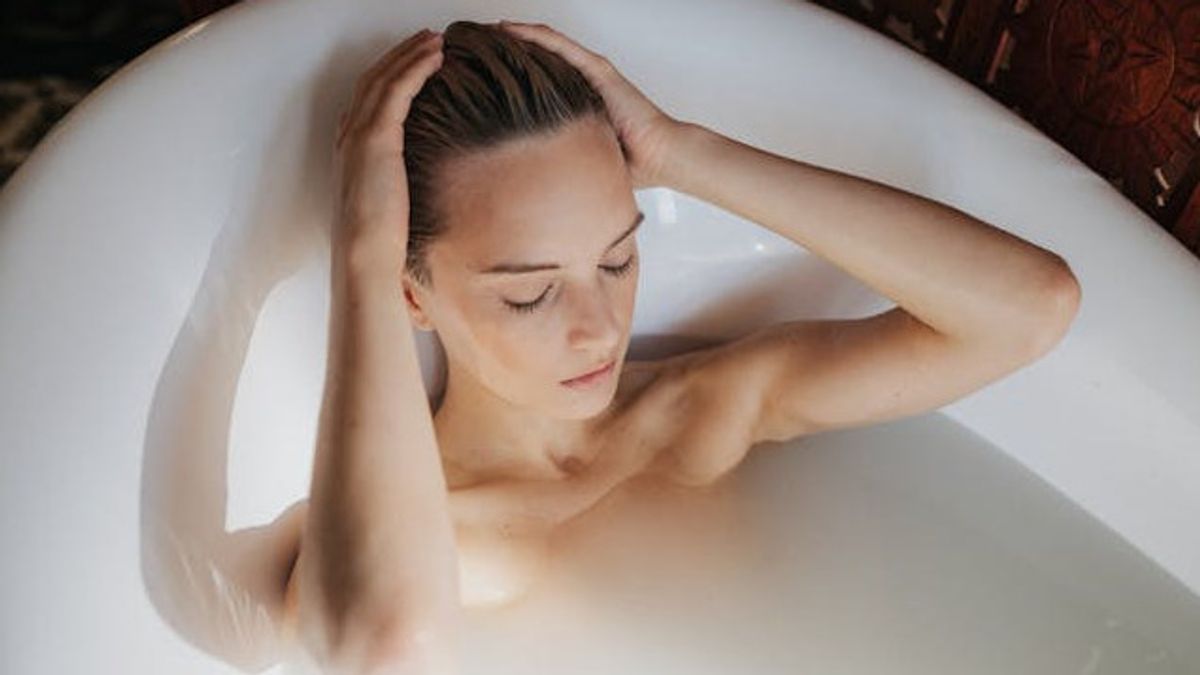


JAKARTA - If you are looking for a new way to pamper yourself that is not just a trend, DIY milk bath can be an elegant answer to the self-care moment at home. The milk bath tradition has been known since ancient times and remains relevant to this day because of the luxurious sensation it offers and its ability to provide extra moisture for the skin. In this comprehensive milk bath guide, you will find the reasons behind its popularity, its main benefits, as well as how to practice it yourself with simple but effective ingredients in your bathroom.
Milk baths are not just a regular bath. It is a simple combination of warm water and one to two cups of liquid milk or powdered milk poured into the bath. So it creates a natural exfoliating experience for your skin. This practice allows the natural fats in milk to be absorbed by the outer layer of the skin, helping to soothe dry or rough areas, while providing a gentle and smooth moisture, launching Byrdie, Seasa, January 6.
The benefits of milk baths are rooted in beauty rituals that have been used for centuries; even historical figures like Nefertiti are thought to have regularly enjoyed milk baths to maintain the smoothness of their skin. Dermatologists state that bathing with milk, especially those rich in fat such as buttermilk or oat milk, can help moisturize and soothe irritated and itchy skin. The addition of ingredients such as colloidal oatmeal is known to increase the anti-inflammatory effect on sensitive skin.
To enjoy a milk bath yourself, you just need to prepare a bath filled with warm water, not hot, then add the milk of your choice. Cow's milk, goat's milk, or even plant-based alternatives such as almond milk can be used according to preference. If desired, add a little natural oil such as coconut oil or jojoba for additional moisture, as well as half to one cup of Epsom salt for a deeper relaxation sensation. Once all the ingredients are mixed well, you just have to get in and soak for about 20-30 minutes to get the optimal benefits without drying out the skin.
Although many feel that their skin is smoother, softer, and looks fresher after bathing in milk. Keep in mind that some people with very sensitive skin or allergies to milk should consult a professional first. The risk of allergic reactions or irritation can increase especially if essential oils are added without knowing your skin tolerance.
As an alternative for those whose skin is too sensitive to milk, a bath with colloidal oatmeal alone remains a soothing and moist option without feeling heavy. In the end, a DIY milk bath is a self-care option that combines history, luxury, and natural skin care in one simple ritual in your own home, a relaxing moment that deserves to be included in your lifestyle routine.
The English, Chinese, Japanese, Arabic, and French versions are automatically generated by the AI. So there may still be inaccuracies in translating, please always see Indonesian as our main language. (system supported by DigitalSiber.id)


