
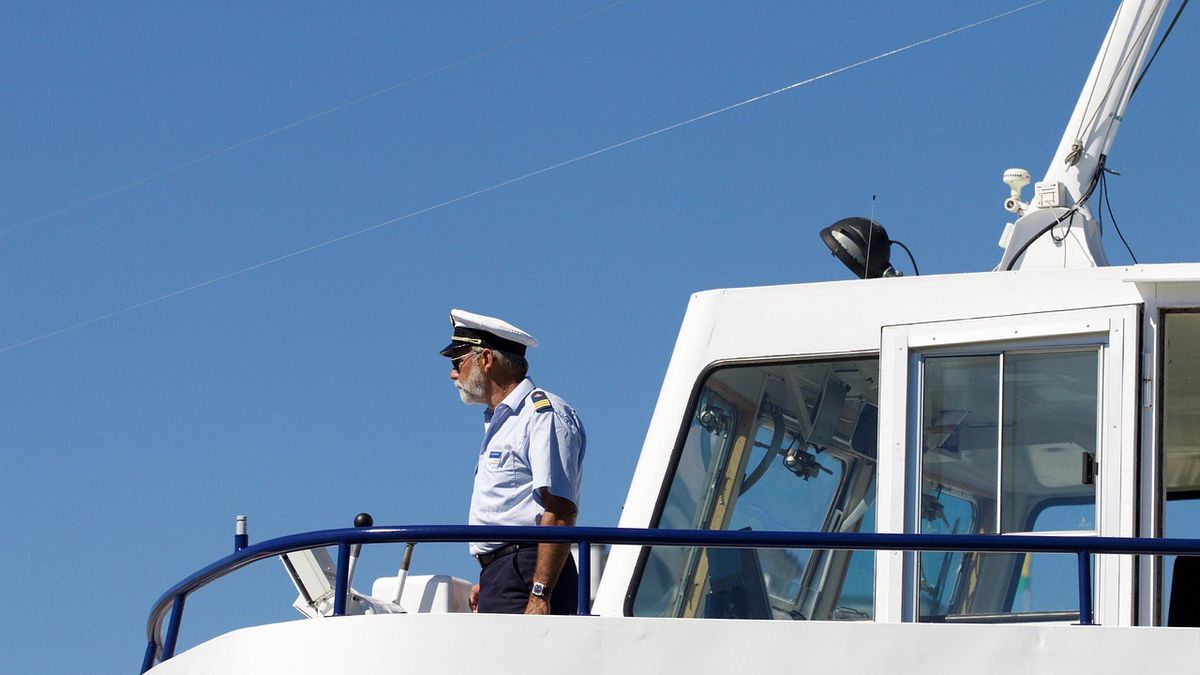


YOGYAKARTA - Being a ship captain is not a profession that can be achieved in a short time. This position requires full responsibility for the safety of the ship, crew, cargo, and travel in the middle of the sea. Not everyone is suitable for this role, because it requires mental toughness, strong leadership, and the ability to make decisions in high-risk situations.
At sea, every decision made by the captain of the ship can have a big impact, both on human safety and on the various assets carried. Therefore, how to become a ship captain must be understood as a long-term process. Reported from the London Maritime Academy, here are some things you need to know about becoming a ship captain.
What Does it Mean to Be a Ship's Captain?Being the captain of a ship means taking full ownership of all operations on board. The captain is responsible for navigation, crew safety, legal compliance, and cargo conditions. In any emergency situation, the captain is the final decision maker.
This role is not only technical, but also leadership. The captain must be able to maintain the emotional stability of the crew under pressure. The trust given to a captain is built through experience and real actions, not just a position.
First Steps to Becoming a Ship CaptainThe first step in how to become a ship captain is to pursue formal education. At minimum, a person must have a high school diploma. However, most prospective captains choose to continue their education at maritime academies or training institutions.
In the maritime academy, prospective sailors study navigation, maritime law, ship systems, and maritime operations management. This education not only equips them with technical knowledge, but also shapes a leadership mindset. Accuracy, discipline, and communication are the main values instilled from the start.
The Importance of Sea Time ExperienceSailing experience or sea time is an absolute requirement for advancing in a maritime career. For the initial level license alone, a minimum of 360 days of experience at sea is required, with some in offshore or near-shore waters. This experience must be officially documented.
The career of a sailor usually starts from the crew or cadet, then rises to become a Third Mate, Second Mate, to the Head Mate. Each position teaches greater responsibility. From here, technical and leadership skills are tested in a real way.
At every level, sailors learn to manage the crew, handle the cargo, and coordinate with ports and international authorities. The pressure of working at sea teaches maturity and assertiveness. This process is what shapes the character of a true captain.
Licenses and Certifications RequiredA license is the legal foundation in how to become a ship captain. Without an official license, a person is not allowed to lead a commercial ship. Each country has authorities that regulate the standards and issuance of sailor licenses.
The captain's license is available in various tonnage levels, such as 100 GT, 500 GT, up to unlimited. In addition, additional certifications such as STCW, GMDSS, and also must have a port access card. All of these documents must be updated periodically to maintain competence.
Skills that Make a Great Ship CaptainA license proves technical competence, but does not guarantee leadership ability. A great ship captain is able to control the situation under extreme pressure. When the engines die or a storm comes, calmness is the key.
Important skills include leadership, clear communication, quick decision-making, and technical accuracy. In addition, physical and mental endurance are needed because of the long working hours and being away from family. This is the difference between just a license holder and a true leader.
How Long Does it Take?How to become a ship captain requires long-term commitment. The average time required ranges from 10 to 15 years. This time is filled with education, sea experience, exams, and ongoing certification.
Every hour of sailing is an investment towards full readiness. When finally taking command, a captain does not rely on luck. He depends on the long preparation that has been taken for years.
Types of Ships that Can Be CommandedWith the appropriate license, the captain can lead various types of ships. From passenger ferries, cargo ships, offshore tugs, to research ships and special ships. Each type of ship has different characteristics and risks.
Even though the terrain and cargo are different, one thing remains the same, namely the full responsibility is in the hands of the captain. Leadership is the main factor in every operation. This is where the professionalism of a captain is really tested.
So that's how to become a ship captain, follow other interesting articles at VOI.ID. So as not to miss the latest news, follow and monitor our social media accounts!
The English, Chinese, Japanese, Arabic, and French versions are automatically generated by the AI. So there may still be inaccuracies in translating, please always see Indonesian as our main language. (system supported by DigitalSiber.id)


