


YOGYAKARTA - One of the three types of symbiotic life or interaction between living things is commensal symbiosis. So, what are the examples of commensal symbiosis that we can find in everyday life?
Examples of commensal symbiosis can be seen in everyday life in our surroundings. From symbiosis, we can see that each organism cannot live alone and needs each other as well as the environment.
The interdependence of each other will then form a pattern of interaction between biotic and abiotic components as well as between biotic components.
Reported from the Biology website, biotic components consist of humans, animals, plants and microscopic bodies. The abiotic component consists of non-living objects such as soil, water, air, and light.
Understanding of Symbiosis CommensalismQuoted from the e-Modul Ilmu Pengetahuan Alam SMP/MTs Kelas VII, Symbiosis of commensalism is an interaction relationship between two types of individuals that provide benefits to one party but the other party is not benefited and not harmed.
As reported on the Britannica website, the species that benefit generally relate to food acquisition, shelter, support and movement from other species.
The characteristic of commensal symbiosis is that the species that benefits is smaller than the species that does not receive any benefit or loss.
Example of Commensal SymbiosisSymbiosis of commensalism can be found in everyday life. Generally, such symbiosis will occur between biotic and biotic or biotic and abiotic.
Below are examples of commensal symbiosis that exist in the surrounding environment.
Remora and shark fishAs quoted from the Book of Natural Sciences (Physics, Biology, Chemistry) Class VII, commensal symbiosis can also be seen from the relationship between remora fish and sharks.
The remora fish will swim close to the shark and get its benefits. Because, when the shark eats, the remains of the food will fall.
When the remains of food fall, the remora fish will stick to the shark to pick it up. In addition, the remora fish is also free from predators that are looking for it.
In this relationship, the shark is neither harmed nor benefited.
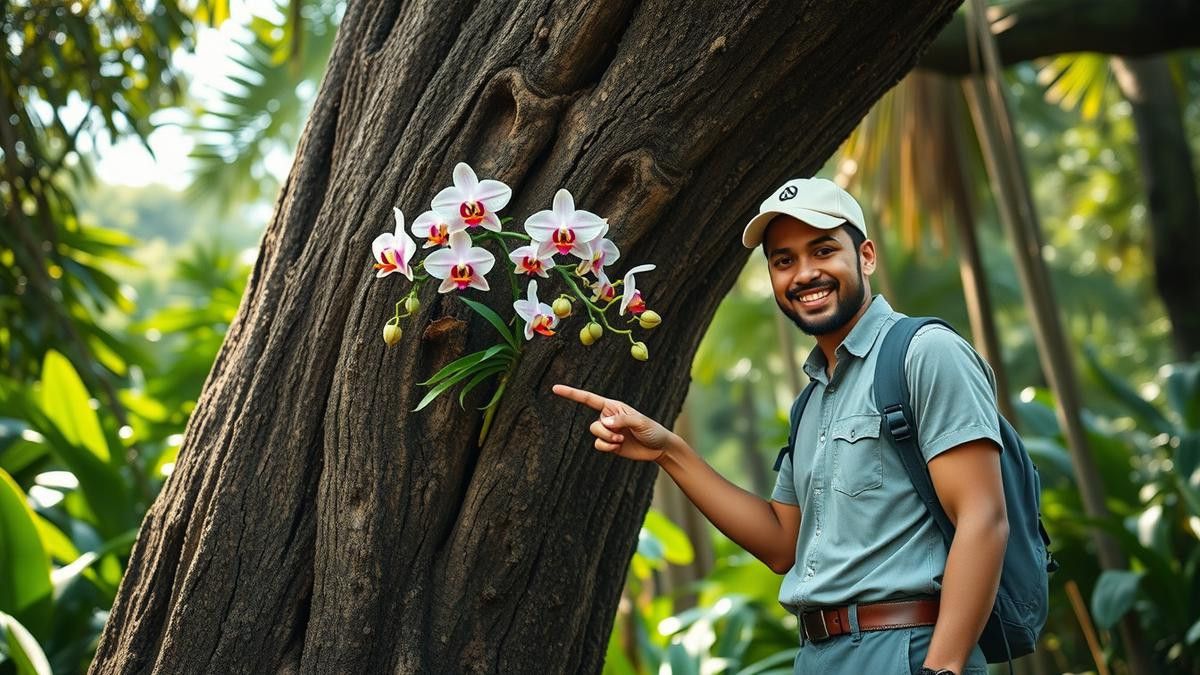
Orchid plants and mango treesOrchid plants with mango trees are classified as a symbiotic relationship. The orchid plant benefits because it gets a place to grow, gets sunlight, water, and substances for the photosynthesis process.
Meanwhile, the mango tree does not receive any profit or loss from the existence of the orchid tree.
The raflesia flower is attached to the tree root.The raflesia flower benefits from the relationship between the two. In this commensal symbiosis, the raflesia flower gets a place to live on the tree roots.
However, the raflesia flower does not get food from the tree roots. Therefore, the tree roots that the raflesia flower is riding on do not get any losses or benefits.
Hummingbirds and wetlandsThe relationship of commensalism can also be seen in the birds of the kuntul and the wet land plowed by buffalo or cows. The kuntul birds will eat insects from the plowed land such as water insects, worms, and so on.
Apart from the land, the birds will also eat insects that surround the buffalo, such as lice, flies, and bees. However, the land and the buffalo who are tasked with plowing are neither harmed nor benefited.
Betel and treeThe next commensal relationship is between the betel nut plant and the tree. The betel nut plant that lives by climbing will wrap around a large tree as its home.
In this case, the betel nut plant is certainly benefited because it gets a place to live, sunlight, water, and others. Meanwhile, the tree is neither benefited nor harmed.
Paus and balanidaeAs quoted from the book Science Basic Knowledge Comic Symbiosis and Natural Enemy, whales and balanidae belong to the commensal relationship.
Balanidae are shelled animals that live by sticking to the bodies of marine animals such as whales.
Even though they use the whale's body as a place to live, balanidae do not benefit. However, whales are neither harmed nor benefited by balanidae.
Deer horn plants and hostsYou may have seen a deer's horn plant clinging to a large tree. The event you witnessed was a commensal symbiosis.
Deer antlers will attach to other plants that are larger and taller to receive sunlight.
However, the deer's horns do not take food from the host plant. Meanwhile, the host plant also does not take advantage or loss of it.
That's the review of an example of a commensal symbiosis. Hopefully useful. Visit VOI.id for other interesting information.
The English, Chinese, Japanese, Arabic, and French versions are automatically generated by the AI. So there may still be inaccuracies in translating, please always see Indonesian as our main language. (system supported by DigitalSiber.id)


