

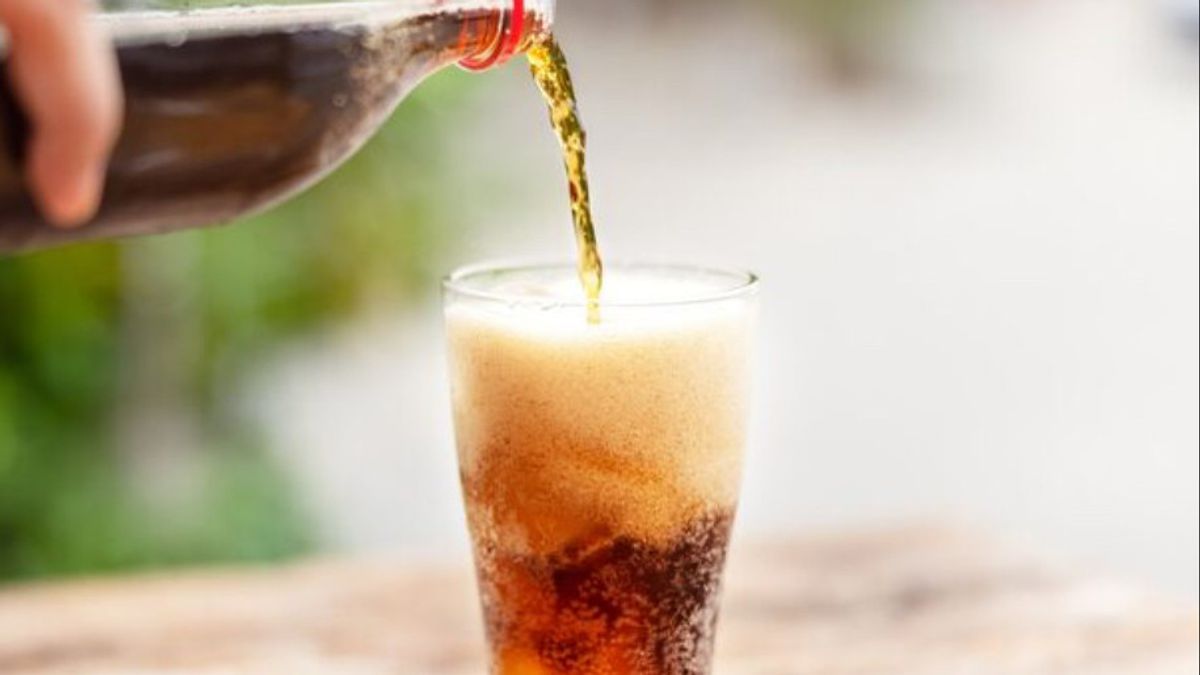


JAKARTA - Many people choose soft drinks almost every day. However, recent research shows that this habit can increase the risk of being exposed to serious conditions in the liver.
For those who drink less than one can per day, health can still be threatened. So far, we often think that soda diet or zero calorie drinks are a healthier choice than soda with sugar.
Unfortunately, the latest research shows that dietary drinks can increase the risk of liver disease greater than soda containing sugar.
Reporting from the Unilad page on Saturday, November 8, research published in the journal Medscape revealed that consuming at least 9 ounces (about 266 ml) of dietary drinks per day can increase the risk of developing non-alcoholic fatty liver disease (NAFLD) by 60%. In comparison, regular soda standoffs have an increase in risk by about 50%.
For the record, one can of general-sized soda in America is 12 ounces, meaning it's just a little more than that consumption.
Non-alcoholic fatty liver disease or MASLD (Metabolic dysfunction-assocized steatotic liver disease) is a condition when fat accumulates in the liver even if a person rarely or does not consume alcohol at all.
Even though they don't drink alcohol, this condition still causes severe liver damage that leads to cirrhosis or liver cancer.
Currently, about 38% of Americans are experiencing this condition and cases have increased by 50% in the last 30 years. This condition is also one of the main causes of liver cancer worldwide.
Regular soda drinks contain high sugar which can trigger an increase in blood sugar levels and weight. Excess sugar also causes a buildup of fat in the liver.
BACA JUGA:



However, soda diet drinks have additional problems because artificial sweeteners and chemicals are used in them. According to researchers, artificial sweeteners can:
- Changing the gut microbiome (good bacteria in the body)
- Annoying our fullness so that we want to eat more
- Increase appetite for sweet foods
- Triggers the body to produce insulin hormones
All these factors can affect metabolism and make the risk of liver disease even higher.
The best drink is water, the most secure and healthy choice. Water helps the body stay hydrated, increase saturation and support metabolic functions without providing side effects such as sweet drinks or diets.
Research concludes that replacing soda with water can reduce the risk of liver disease in real life.
The English, Chinese, Japanese, Arabic, and French versions are automatically generated by the AI. So there may still be inaccuracies in translating, please always see Indonesian as our main language. (system supported by DigitalSiber.id)
Most Popular Tags
#Prabowo Subianto #donald trump #firearm #8791 #giias 2026Popular


