


JAKARTA - The release of animals back into their natural habitat is one of the strategic steps in biodiversity conservation.
For primates such as gibbons (Symphalangus syndactylus), this process does not only mean returning to nature, but also marks the success of long-term rehabilitation and joint efforts of various parties to protect the population of protected animals.
Three gibbons who previously underwent the rehabilitation process were finally released into the Gunung Leuser National Park (TNGL) area, Sumatra. This information was conveyed by the Head of the TNGL Center, Subhan, in a statement from Banda Aceh, Friday, July 11.
The three gibbons consisted of one male named Bejo, a female named Mesra, and their child named Boni. They were released into the forest on Thursday, July 10, 2025, after undergoing rehabilitation for more than three years at the Sumatra Rescue Alliance (SRA) facility in Besitang, North Sumatra.
Before being completely released into the wild, the three first underwent a one-week habituation period in an introductory cage at the release site. This period aims to adapt to the new environment, while being monitored by a joint team from the conservation agencies involved.
SEE ALSO:
-
 | LIFESTYLE
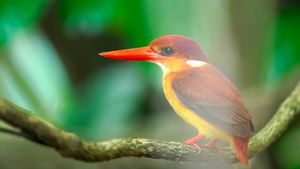
Indonesia Tambah 30 Spesies Burung Baru, Bukti Kekayaan Hayati Nusantara
29 April 2025, 17:25
"This release is an important moment for the survival of these wildlife in nature. It's not just about releasing animals, but about giving them a second chance to live according to their nature," Subhan explained, as quoted by ANTARA.
He also emphasized that the success of this activity was the fruit of synergy between several conservation institutions, including the TNGL Center, North Sumatra BBKSDA, and the Orangutan Center which jointly supported this rehabilitation and release program.
Subhan hopes that the Gunung Leuser National Park forest area, which is the new home for the three gibbons, can become a safe and sustainable place. He also hopes that collaboration across institutions like this can continue to be expanded to other conservation areas in Indonesia.
"We hope that this release will become a symbol of hope, not only for the animals, but also for the future of wildlife conservation in Indonesia," he concluded.
The English, Chinese, Japanese, Arabic, and French versions are automatically generated by the AI. So there may still be inaccuracies in translating, please always see Indonesian as our main language. (system supported by DigitalSiber.id)


