
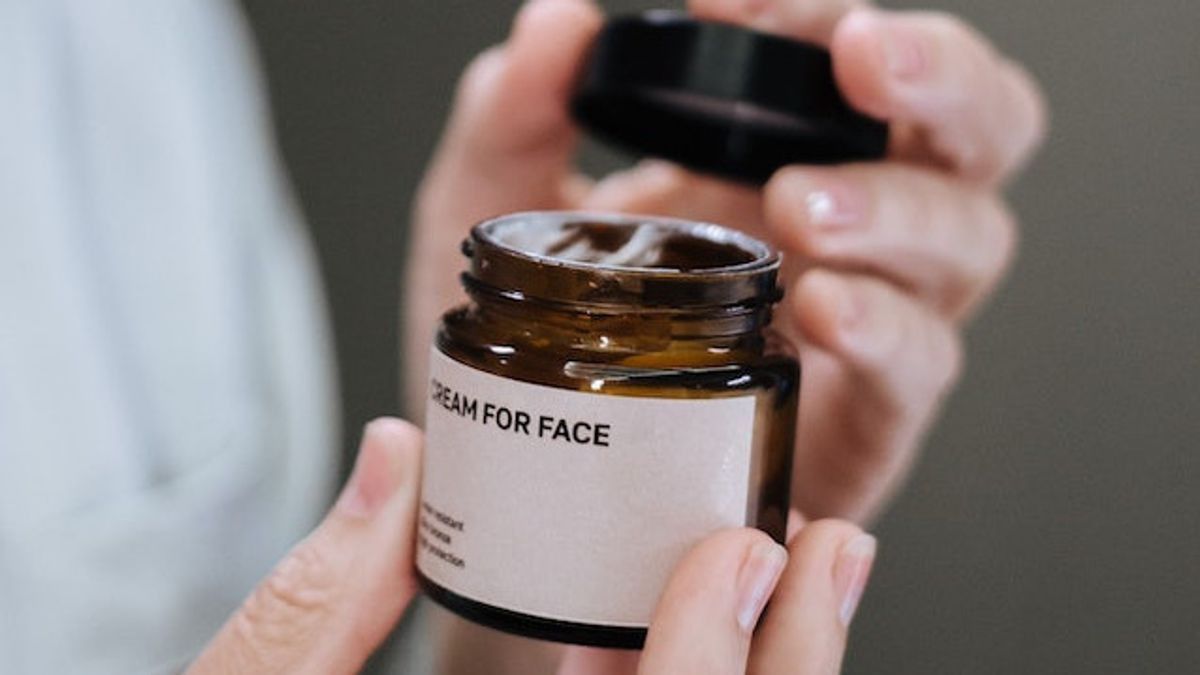


YOGYAKARTA - Retinol is the active ingredient of vitamin A that is often used for skincare products today. One of the benefits of retinol is to help improve skin problems, especially for people who are over 30 years old. As we know, at this age skin problems begin to appear such as black spots, wrinkles, fine lines, and uneven skin texture. However, did you know, the side effects of retinol?
Retinol is one of the active ingredients that can handle skin problems. Although it provides many benefits, on the other hand, this active ingredient also has side effects.
Understanding RetinolRetinol is one of the active ingredients used in the treatment of various skin problems. Retinol is another name for vitamin A which has many derivatives, but retinol is used as a designation for the pure form.
Vitamin A offers many benefits for the skin, for example, helping to restore the appearance of the skin to look younger and treat acne.
Retinoids are a class of all different types of retinol and they all come from vitamin A. The difference can be seen from the concentration. Retinoic acid (Retin-A or Tretinoin) is the strongest prescription-grade retinoid for acne and aging treatment
Retinol is also used as a topical treatment, in other words it can be applied on the skin. Retinol is available in various forms, including creams, gels, ointments, lotions, serums.
Retinol Side EffectsAlthough it has benefits for overcoming skin problems, it does not mean that retinol does not have side effects. People who use retinol generally experience dry skin and irritation, especially after using a new product. Other side effects that may occur include:
Itching. Skin peeling. Redness.To reduce side effects, you can use retinol every two nights or every third night, and increase it to use every night.
If your skin continues to experience irritation, consult a dermatologist immediately. You are also advised to talk to a dermatologist before using retinol products to find out if the product is suitable for your skin.
In fact, less than 10 percent of people who use retinol may experience more severe side effects, including:
Eczema flares. Acne breakouts. Photosensitivity to UV light. Blisters. Skin discoloration. Swelling.The risk of side effects can be greater if you use more than one product containing retinol at the same time. Therefore, read the product label carefully, especially if you use a combination of products labeled anti-aging or for acne, which most likely contain retinol.
Tips Using RetinolBefore you use retinol, you should follow the instructions on the packaging. Below are the steps to use retinol:
Clean the skin of the face with a gentle cleanser and pat dry. Avoid rubbing the skin when using retinol products. Apply retinol to the entire face thinly. Be careful, don't let it get into the mouth, nose, and eyes. Use a dose the size of a pea. For the first few weeks of treatment, use retinol twice a day. Finish by using a facial moisturizer that does not clog pores.That's a brief explanation of the side effects of retinol and tips on using it. Hopefully useful. Visit VOI.id for other interesting information.
The English, Chinese, Japanese, Arabic, and French versions are automatically generated by the AI. So there may still be inaccuracies in translating, please always see Indonesian as our main language. (system supported by DigitalSiber.id)
Most Popular Tags
#Prabowo Subianto #donald trump #2026 World Cup #venezuela #konflik timur tengahPopular


