
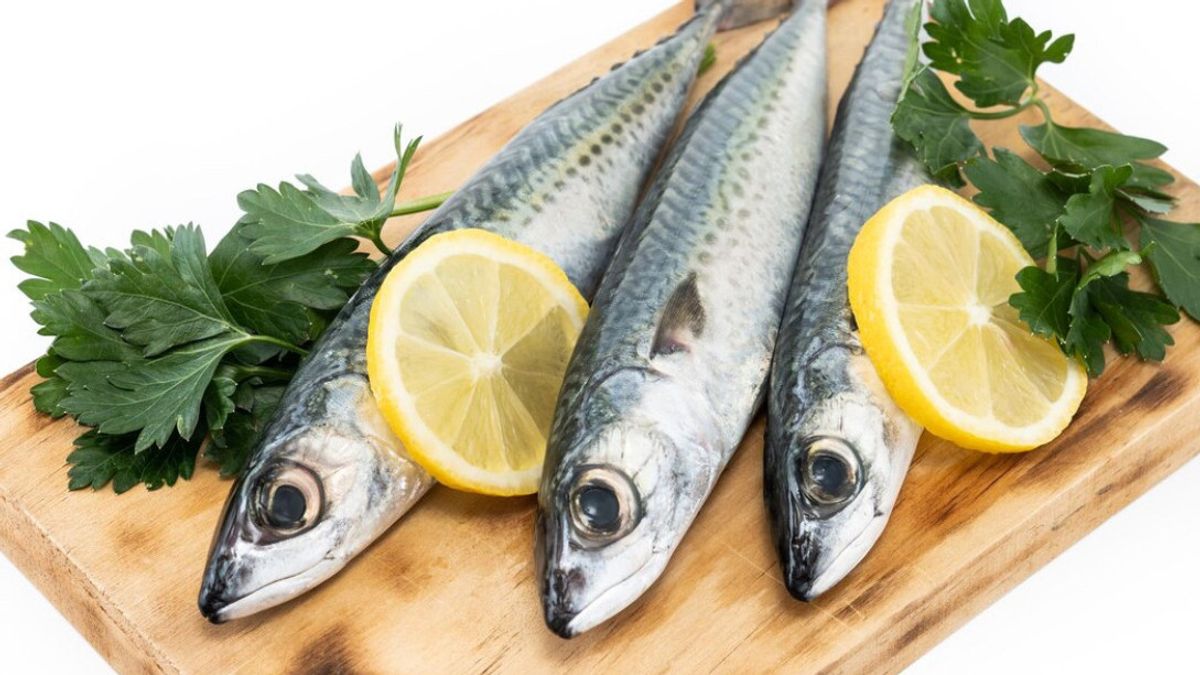


JAKARTA - Fish has long been known as a source of high-quality protein and rich in omega-3 fatty acids that are good for the heart and brain. From sardines to mackerel, the benefits of fish are many. However, not all types of fish provide the same benefits. Some should actually be limited in their consumption.
Quoted from the Cleveland Clinic website, registered dietitian Julia Zumpano, RD, LD, shared three types of fish that are very good for health and three types of fish that should be avoided.
The Healthiest Fish
1. Sardines
Sardines can be said to be one of the best fish for health.
"You can't go wrong with sardines. They're high in omega-3s, caught straight from nature, and affordable," Zumpano said.
In one serving of about 85 grams, sardines contain about 2 grams of heart-healthy omega-3. This figure is among the highest compared to other fish, while having very low mercury levels.
In addition, sardines are also rich in calcium and vitamin D which are important for bone health, a nutrient that is not found in many other foods.
Sardines are usually packaged in water, tomato sauce, or olive oil. Be sure to read the label so that salt and fat intake remain in accordance with daily needs.
Because it is generally caught sustainably, sardines are also considered safe for pregnant and breastfeeding mothers. There is no need to worry about the shape of the fish, the sardines sold today are usually cleaned and only the edible part.
To make it more delicious, sardines can be served with lemon juice and a little olive oil, or mixed with chopped tomatoes and Italian seasonings such as basil and oregano. For a quick snack, sardines are also suitable to be eaten with whole wheat biscuits.
2. Herring
Fatty fish such as herring contain about 1.5 grams of omega-3 per serving. In fact, its omega-3 content is higher than salmon or tuna. Omega-3 is very important because the human body cannot produce it itself.
The good news is that herring also has lower levels of mercury than large fish such as tuna, king mackerel, or swordfish.
Herring is best enjoyed cold with a light marinade of white wine vinegar, red onion slices, and dill. Many people also like it with mustard and dill sauce.
3. Mackerel
Atlantic mackerel and Atka mackerel from Alaska are rich in omega-3s that help fight inflammation and are relatively low in mercury. However, not all mackerel are safe to eat.
King mackerel, especially those from the Western Atlantic and the Gulf of Mexico, contain high levels of mercury. Spanish mackerel should also be limited in consumption.
Mackerel can be baked or boiled briefly, then served on top of a salad or accompanied by grilled vegetables as a healthy side dish.
Fish That Should Be Avoided
Several popular types of fish are not as good as imagined to be consumed regularly.
1. Tilapia
Tilapia is a source of lean protein, but its omega-3 content is very low compared to fatty fish such as salmon, sardines, or herring. In fact, most people are already deficient in omega-3 in their daily diet. If you want to eat fish, you should choose the one that really provides maximum benefits.
2. Tuna
Fresh tuna is actually rich in omega-3. However, the high consumption of tuna, especially in the form of sushi, can increase the risk of exposure to mercury.
Exposure to high levels of mercury can affect brain function and cause various health problems. Canned tuna is not necessarily safer. Tuna albakora, which is quite popular, is known to have high levels of methylmercury.
The same applies to ordinary canned tuna, except that it comes from manufacturers who actually check the mercury content of each can and the number of manufacturers like this is still very limited.
3. Imported catfish
Around 90% of catfish on the market are imported products. Many of them come from polluted waters and are at risk of containing harmful chemicals and antibiotics. If you like catfish, you should choose farmed catfish from American waters or other alternatives such as Asian carp which have a similar taste.
The English, Chinese, Japanese, Arabic, and French versions are automatically generated by the AI. So there may still be inaccuracies in translating, please always see Indonesian as our main language. (system supported by DigitalSiber.id)
Most Popular Tags
#Prabowo Subianto #donald trump #2026 World Cup #venezuela #konflik timur tengahPopular


