


JAKARTA - The flu season always comes with uncertainty. Scientists do predict a pattern of flu spread based on data from the hemisphere, then determine which strains of the virus are most likely to dominate to be used as the basis for the vaccine. But in the end, the flu is still difficult to guess.
This year, many experts initially estimated that the flu season would be slightly lighter than the 2024'2025 season. Last season had recorded the highest number of child deaths since 2004 outside the pandemic. But that optimism suddenly changed after the emergence of a new flu strain called the K subclade.
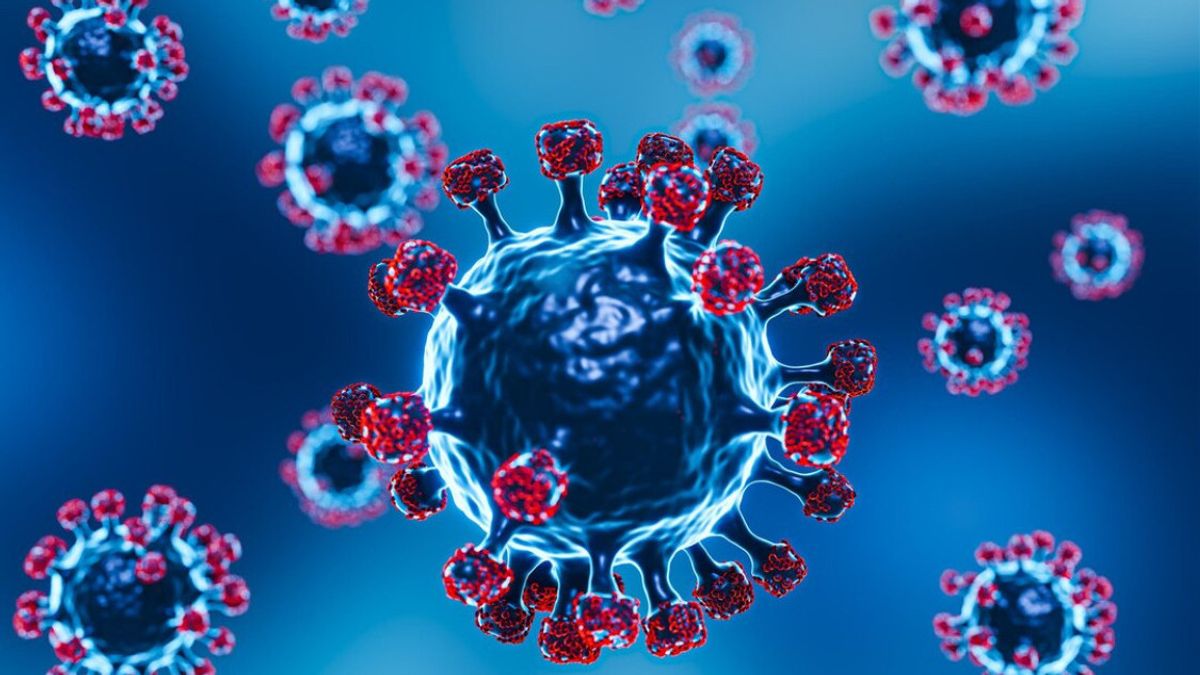
Subclade K is a variant of the H3N2 influenza virus, one of the most common causes of seasonal flu that makes humans fall ill. Last year, H3N2 circulated with H1N1 and is believed to have played a major role in increasing cases of severe flu.
According to VaccinesWork, an initiative owned by Gavi, this year's flu season was initially estimated to be calmer because of the rare two consecutive heavy flu seasons.
In addition, data from the Southern hemisphere shows the vaccine is quite effective, approximately cutting the number of outpatient visits and hospitalizations.
"This indicates that this year's vaccine fits the circulating virus and can have a strong impact on reducing the burden of disease." read a statement from VaccinesWork, quoted from the IFLScience page.
SEE ALSO:
-
 | INFO SEHAT
Sule Dirawat karena Sakit Tipes, Kenali Gejala, Penyebab hingga Cara Pencegahannya
12 September 2025, 18:25




But apparently, the situation is not that easy. When the flu season in the Northern Hemisphere begins to move, a number of worrying patterns emerge.
In Japan, the spread of cases was very fast and earlier than usual. Local media reported cases had reached a level alert' at the highest speed of a decade.
Britain is experiencing a similar pattern. According to Conor Meehan, Associate Professor at Nottingham Trent University, the spike, which comes in a few weeks earlier, raises concerns that the country is on track to one of the worst flu seasons.
Schoolchildren became the most infected group. The UK government reported that on November 4, 37.8% of tests on children aged 5'14 years showed positive results, compared to only about 7% in the same period the previous year.
Seeing this global pattern, experts in the United States are also vigilant.
"We are entering mid-November and are starting to see improvements reflecting what is happening abroad," said Duke University Professor Cameron Wolfe.
This strain is of concern because it appears after the vaccine discipline is determined. This means that this year's vaccine is not designed based on the new variant.
Virus influenza A(H3N2) which is currently circulating gets seven new mutations during the summer, making it quite different from the strains in the vaccine. Wolfe explained.
Recent data show that the K subclad has started to dominate flu cases in several countries, including the UK. But the good news is that vaccines still provide important protection, although not fully suitable.
UK Health Security Agency (UKHSA) said that preliminary findings showed the vaccine still provided significant protection even though the circulating strain had shifted.
In children, the effectiveness of the vaccine prevents hospitalization from reaching 7075%. In adults the figure is at 3040%, which is still in the normal range for seasonal flu vaccines.
Be vigilant, but there is no need to panic. Subclade K is indeed more fast in spreading and has mutations that are not fully recognized by vaccines. However, the vaccine remains the main bastion of defense.
What's more, vaccines are not only to protect ourselves, but also others around us.
"We don't claim this vaccine is perfect, it's not. But vaccines work much better in keeping you out of the hospital, outside the ICU, and keeping you away from graves." he said.
The English, Chinese, Japanese, Arabic, and French versions are automatically generated by the AI. So there may still be inaccuracies in translating, please always see Indonesian as our main language. (system supported by DigitalSiber.id)
Most Popular Tags
#Prabowo Subianto #donald trump #firearm #8791 #giias 2026Popular


