


JAKARTA - Cervical cancer is still one of the biggest threats to women's health in Indonesia. Based on data from the Ministry of Health (Kemenkes), more than 36 thousand new cases are found every year, and about 70 percent of them are diagnosed in advanced stages.
This condition makes the death rate due to cervical cancer the second highest position after breast cancer. The main challenge is not only early detection, but also limited medical facilities and inequality in inter-regional services.
Responding to this problem, the Ministry of Health together with international partners launched the Enhanced Cervical Cancer Treatment & Patient Recovery Across Southeast Asia (ACTIVE 2.0) Project. This initiative is designed to strengthen the strategy to eliminate cervical cancer in Indonesia, as well as support national targets in handling non-communicable diseases.
Through this collaboration, Indonesia has access to modern radiotherapy technology which is still limited in number. This program also provides guidance from international experts as well as special training to improve the skills of medical personnel in providing the best care.
The Director of Clinical Services at the Ministry of Health, Obrin Parulian, emphasized the importance of this collaboration.
"This collaboration is in line with the Health Transformation, especially for oncology services while increasing the capacity of medical personnel in various national hospitals," he said.
He also emphasized the government's commitment to gradually provide radiotherapy services in each province, both in terms of equipment and competence for health workers.
SEE ALSO:
-
 | KESEHATAN
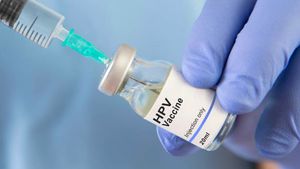
Jumlah Kasus Infeksi HPV Tipe High Risk Lebih Banyak di Indonesia
31 Agustus 2025, 17:55
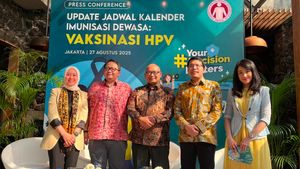
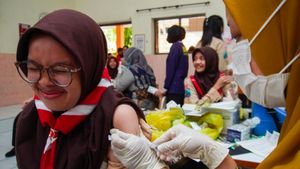
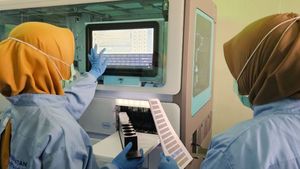
ACTIVE 2.0 is a collaboration supported by DEG Impulse and Elekta, and involves the governments of Indonesia and Germany. This program was designed to last for three years, focusing on strengthening the capacity of hospitals in various regions.
In addition, the treatment system between hospitals is also intensified, where referral hospitals with the ability to better assist other facilities so that service standards become more equitable.
Four major hospitals were appointed as training centers and frontlines in this project:
Dharmais Cancer Hospital
Cipto Mangunkusumo Hospital
Mohammad Hoesin Hospital Palembang
Sardjito Hospital Yogyakarta
These facilities will be a center for infrastructure development, training, and patient recovery support.
Obrin explained that this program is in line with the comprehensive health approach implemented by the government.
"In accordance with government programs, we carry out free health checks, screening, this detection later if we meet the case, we can immediately handle it with competent health service facilities," he said.
This step is not only targeting aspects of treatment, but also strengthening the health system from upstream to downstream, starting from prevention, early detection, diagnosis, therapy, to patient rehabilitation.
Through ACTIVE 2.0, Indonesia targets a significant reduction in new cases as well as the death rate due to cervical cancer. Access to more equitable treatment, improving the quality of medical personnel, and using advanced technology is the main foundation.
Not only medical programs, this initiative is also an impetus to educate the public about the importance of early detection and a healthy lifestyle to reduce the risk of cervical cancer.
The English, Chinese, Japanese, Arabic, and French versions are automatically generated by the AI. So there may still be inaccuracies in translating, please always see Indonesian as our main language. (system supported by DigitalSiber.id)
Popular


