


JAKARTA - The World Health Organization (WHO) officially states that Suriname is a country free from malaria. This decision makes Suriname the first country in the Amazon region to completely overcome the disease.
With this recognition, Suriname became the 46th country in the world to obtain malaria-free certification from WHO. Suriname obtained this malaria-free status after a long effort of more than 70 years.
As is known, Suriname is located on the north coast of the United States, which faces major challenges to malaria because its geographical conditions are damp and many mining areas are popular and industrial, where mosquitoes breed.
This certification reflects years of ongoing efforts, especially in reaching remote areas. This means future generations can grow free from this potentially deadly disease," said Director of the Pan America Health Organization (PAHO), Jarbas Barbosa, quoted from the WHO's official website, on Sunday, June 6, 2025.
WHO Director-General Tedros Adhanom Ghebreyesus really appreciates Suriname's achievements in overcoming malaria. He considered this success as a form of the government's commitment to equitable health.
SEE ALSO:
-
 | BERITA
Kemenkes Targetkan 8 Juta Tes Malaria, Harap Temukan 1,1 Juta Kasus pada 2025
25 April 2025, 22:58 -
 | BERITA
Darurat Wabah DBD dan Malaria, Delapan Orang Meninggal di Nias Selatan
15 Agustus 2024, 10:45

"Strengthening Suriname's commitment to equitable health is an inspiration for all countries fighting for a malaria-free future," said Tedros.
Until now, there are still many countries in the world that are struggling to overcome malaria, one of which is Indonesia. Quoted from the official website of the Indonesian Ministry of Health, malaria is still one of the challenges of Indonesian public health, especially in eastern regions such as Papua.
More than 93 percent free of Indonesian malaria cases are still concentrated in Papua. The Papua region has its own challenges that make malaria prevention more complicated.
Geographical factors that are mountainous areas, heavy hutam, and remoteness make it difficult to distribute health services. In addition, social and cultural factors, as well as limited access to modern health facilities also have an impact on exacerbating malaria management.
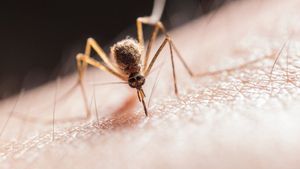
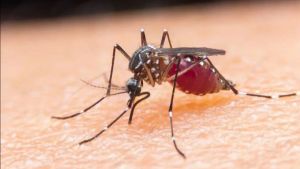
Therefore, the Indonesian government urges the public to participate in preventing the spread of malaria, which is transmitted by female Anopheles mosquitoes, which usually reproduce in humid and inundated environments.
Some of the preventive steps that can be taken are such as using nets to sleep to prevent mosquito bites, draining and closing water reservoirs, using preventive drugs, to better education to the public.
The English, Chinese, Japanese, Arabic, and French versions are automatically generated by the AI. So there may still be inaccuracies in translating, please always see Indonesian as our main language. (system supported by DigitalSiber.id)
Most Popular Tags
#Prabowo Subianto #donald trump #Febrie Adriansyah #8791 #giias 2026Popular


