



JAKARTA - As a traditional food that has long been known in Indonesia, tempeh is not only part of culinary culture, but is also known to contain high nutritional content.
The soybean fermented products contain abundant plant protein, food fiber, complex vitamin B, and important minerals such as calcium, phosphorus, iron, and zinc. Thanks to its benefits, tempeh is now starting to get more attention in an effort to improve community nutrition, including in national programs.
Responding to the implementation of the Free Nutrition Food Program (MBG) from the government, the Indonesian Tempe Forum (FTI) encourages tempeh to be used as one of the main menus to meet the daily protein needs of school children. With a content of about 20 grams of protein per 100 grams of tempeh, this food is considered worthy of being aligned with the source of animal protein such as meat, chicken, fish, and eggs.
The Secretary General of the FTI, M. Ridha, explained that although tempeh is often consumed by the public because it is cheap and easily accessible, many still do not realize the nutritional value. Tempe is often considered ordinary food because it has become part of the habit. In fact, the nutritional content is unusually high," he said as quoted by ANTARA.
He added, in addition to high protein, tempeh also contains essential amino acids that the body needs for growth and recovery. The fiber content also supports digestive health, making tempeh the right choice in the preparation of the MBG menu which is adjusted to the local preferences of the community.
SEE ALSO:

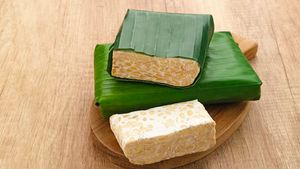
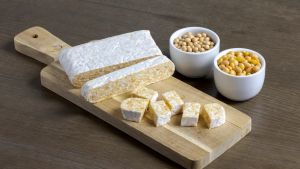
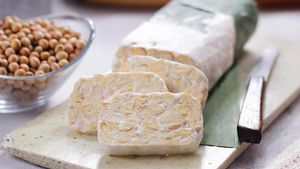
The application of tempeh in this program, according to the FTI, not only has an impact on improving children's nutrition, but also supports local economic sustainability.
With increasing demand, local tempe craftsmen can get economic benefits. For this reason, FTI encourages tempe producers to continue to improve their production quality so that it is in accordance with the food safety standards set by the National Nutrition Agency.
"Since its inception in 2008, FTI has been committed to lifting the class of tempe craftsmen so that they can compete in quality," said Ridha.
He emphasized the importance of maintaining tempeh quality so that it can be widely used in government programs.
Currently, FTI has curated around 100 tempe craftsmen who are considered to meet food safety standards.
With the continuously improved quality and recognized nutritional benefits, tempeh is considered worthy of being an important part of national strategy in tackling nutritional problems, especially in school-age children.
The English, Chinese, Japanese, Arabic, and French versions are automatically generated by the AI. So there may still be inaccuracies in translating, please always see Indonesian as our main language. (system supported by DigitalSiber.id)
Most Popular Tags
#Prabowo Subianto #donald trump #2026 World Cup #Febrie Adriansyah #8791Popular


