
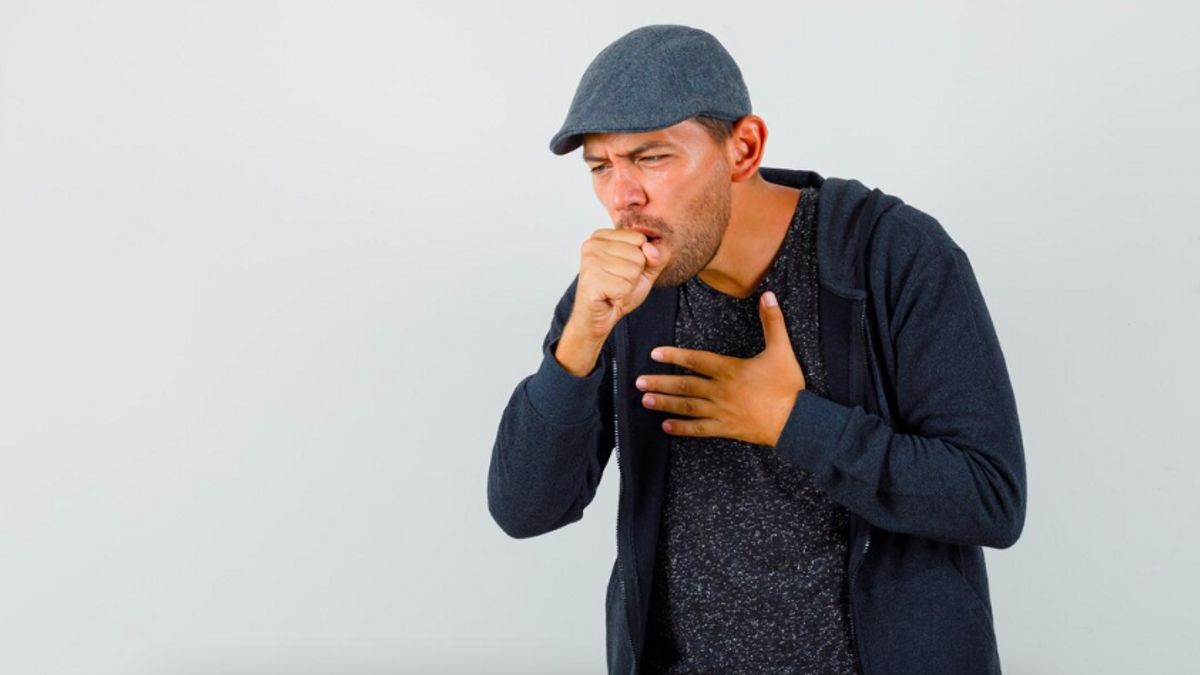


JAKARTA - Pneumonia is an infection that causes inflammation in air bags in one or both lungs. These air bags are filled with liquid or pus, causing coughing or heating, fever, chills, and difficulty breathing.
The causes of pneumonia can come from various types of germs, including bacteria, viruses, and fungi.
Pneumonia can be light to very serious, even life-threatening. This condition is more at risk for infants, small children, the elderly over 65 years old, as well as people with weak health problems or immune systems.
Symptoms Of Pneumonia
Reporting from the Mayo Clinic page, pneumonia symptoms can be mild to severe, depending on the type of germs that cause, age, and overall health condition. Mild symptoms are often similar to the common cold, but last longer.
Symptoms of pneumonia include:
- Chest pain while breathing or coughing
- Confusion or change of consciousness (especially in the elderly over 65 years old)
- Huk berdahak
- Fatigue
- Excessive fever, sweat, and chills
- Body temperature lower than normal (in the elderly or people with a weak immune system)
- Nausea, vomiting, or diarrhea
- Shortness of breath
In infants and children, symptoms can be more difficult to recognize. They may experience vomiting, fever, cough, appear restless or weak, and have difficulty breathing and eating.
Immediately go to the doctor if you have difficulty breathing, chest pain, high fever (39 degC or more) that doesn't come down, until you cough continuously, especially if you have fever or slander
People who are included in a high-risk group, such as the elderly over 65, children under 2 years old, people with chronic diseases, or those who undergo chemotherapy or take medication to weaken the immune system, must immediately go to a doctor if they experience pneumonia symptoms.
Pneumonia can be caused by various germs, especially bacteria and viruses that are inhaled into the lungs. Usually, the body is able to fight this germ, but under certain conditions, the immune system can lose so that infection occurs. Pneumonia is categorized based on the type of germs that cause and where infection occurs:
1. Pneumonia Obtained in the Community (Community-Acquired Pneumonia)
- Bacteria: The most common cause is Streptococcus pneumoniae. It can appear alone or after the flu.
- Bacterial-like organisms: Mycoplasma pneumoniae causes mild pneumonia which is often called walking pneumonia
- Muncul: More often attacks people with a weak immune system or who are often exposed to fungal sporas, for example from soil or bird droppings.
- Viruses (including COVID-19): Flu or COVID-19 viruses can cause pneumonia, especially in children under 5 years old.
2. Pneumonia obtained at the Hospital (Hospital-Acquired Pneumonia)
It occurs when a person is hospitalized due to another disease. This type is more dangerous, because it is often caused by bacteria that are resistant to antibiotics.
3. Pneumonia Due to Health Care-Acquired Pneumonia
Attacking people who live in long-term care facilities or often undergo medical procedures, such as dialysis.
4. Pneumonia Aspiration (Aspiration Pneumonia)
It occurs when food, drink, vomit, or saliva enters the lungs. It is more risky for people with swallowing disorders or who are often drunk.
Anyone can catch pneumonia, but the risk is higher on:
- Children under 2 years old
- Elderly over 65 years
- People who are being treated in hospital, especially those using ventilators
- Patients with chronic diseases such as asthma, chronic obstructive pulmonary disease (PPOK), or heart disease
- Smokers, for damaging the lung defense system
- People with a weak immune system, for example people with HIV/AIDS, recipients of organ transplants, or undergoing chemotherapy.
SEE ALSO:
-
 | LIFESTYLE
Cincin Menyangkut di Jari Jelang Lahiran, Kiky Saputri Langsung Lapor Damkar
21 Februari 2025, 11:10 -
 | LIFESTYLE
Nikita Mirzani Ditetapkan Tersangka Kasus Dugaan Pemerasan, Kuasa Hukum Tegas Bantah
21 Februari 2025, 09:58 -
 | LIFESTYLE
Sinopsis Drama China Always Home: Persahabatan Yang Xi Zi Rantau ke Kota Besar
21 Februari 2025, 07:10


Pneumonia Complication
Pneumonia can cause serious complications, especially in vulnerable groups, such as:
- Blood infection (bakteremia)
Bacteria from the lungs can spread to other organs and cause organ failure.
- Difficulty breathing
If pneumonia is severe, the patient may need a breathing apparatus in the hospital.
- Accumulation of fluids in the lungs (pleura effusion)
If the fluid around the lungs is infected, medical action is needed to remove it.
- Lung abscess
If pus are formed in the lungs, antibiotics or medical measures are needed to remove them.
Pneumonia Prevention
- Vaccination
There are vaccines to prevent several types of pneumonia and flu. Consult with doctors about the vaccinations needed.
- Vaccines for children
Children under 2 years old and children aged 2-5 years with a high risk of getting the pneumonia vaccine. Children who are often in storage are also advised to be vaccinated.
- Keep clean
Wash your hands regularly or use alcohol-based hand sanitizer to prevent respiratory infection.
- Quit smoking
Smoking damages the lungs and increases the risk of infection.
- Maintain endurance
Enough sleep, regular exercise, and nutritious food consumption to keep the immune system strong.
Pneumonia can be dangerous, but with proper prevention and early treatment, the risk of complications can be reduced. If you experience suspicious symptoms, immediately check with the doctor to get the right treatment.
The English, Chinese, Japanese, Arabic, and French versions are automatically generated by the AI. So there may still be inaccuracies in translating, please always see Indonesian as our main language. (system supported by DigitalSiber.id)
Most Popular Tags
#Prabowo Subianto #donald trump #Febrie Adriansyah #8791 #giias 2026Popular


