


JAKARTA - Skin problems are one of the things that are prone to flooding during the flood season. damp and polluted environmental conditions increase the risk of developing various types of skin infections, especially due to exposure to dirty water that contains bacteria, fungi, and harmful chemicals.
Dermatologist and Venereologist from Udayana University, Bali, dr. I Gusti Nyoman Darmaputra, Sp.KK, reminded the public to be aware of potential skin infections during and after flooding.
He explained that several types of skin infections that often occur due to flooding include fungal infections such as pedis tinea or waterbugs, which are caused by feet that have been submerged in dirty water for too long.
In addition, bacterial infections such as impitigo and boils are also easy to develop in damp and unhygienic environments. Then, dermatitis of allergic contact due to exposure to chemicals or contaminants in flood water can also occur.
If a person experiences skin infection after being exposed to flood water, it is recommended to immediately rinse and wash the area exposed to clean water and soap. After that, move to a dry place so that exposure to dirty water does not continue and worsen the skin condition.
"If symptoms appear such as itching or mild irritation, antigatal creams or oral antihistamine can be given according to medical advice. However, if there are open wounds or signs of serious infection such as swelling, pus, extensive redness, or fever, immediately go to health facilities for further treatment," he said as quoted by ANTARA.
SEE ALSO:
-
 | INFO SEHAT
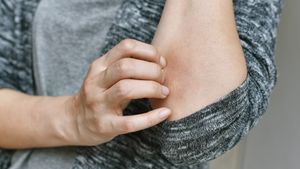
7 Cara Menghilangkan Gatal secara Alami dan Cepat, Gunakan Bahan-Bahan Ini
29 November 2024, 04:55

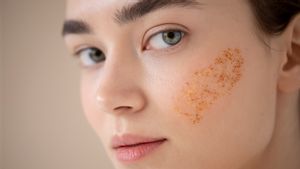
He emphasized the importance of quick treatment of skin infections so as not to spread further. Fungal infections, for example, can spread from between the fingers to other areas of the skin, causing more severe itching.
Oversneering habits can also worsen conditions by causing secondary infections due to bacteria, which risk causing wider inflammation of the skin.
To prevent skin infection due to flooding, dr. Darmaputra suggested that people maintain cleanliness and protect the body when they have to come into contact with flood water. The use of boots and gloves can help minimize direct contact with polluted water.
In addition, immediately bathing using antiseptic soap and drying the body well, especially in folding areas such as between fingers, is highly recommended. Environmental cleanliness also needs to be considered by disinfecting after flooding to prevent the growth of fungi and bacteria in the residence.
The English, Chinese, Japanese, Arabic, and French versions are automatically generated by the AI. So there may still be inaccuracies in translating, please always see Indonesian as our main language. (system supported by DigitalSiber.id)
Most Popular Tags
#Prabowo Subianto #donald trump #2026 World Cup #Febrie Adriansyah #8791Popular


