
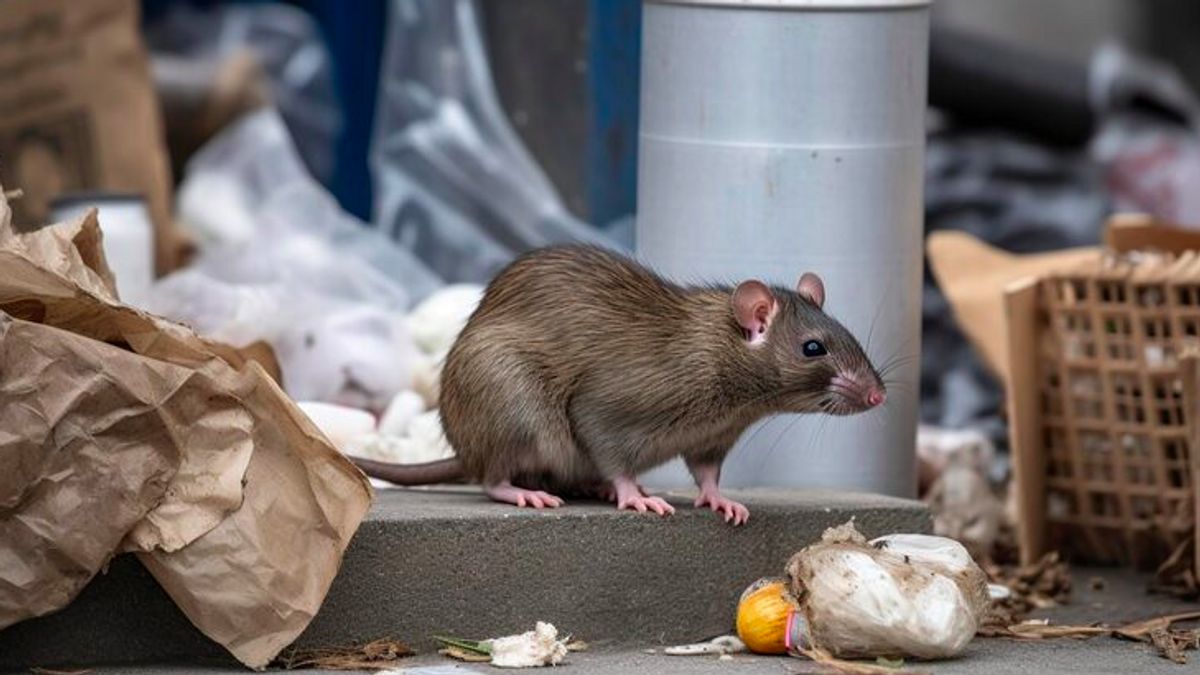


JAKARTA - Prevention is the most effective step to avoid hanta virus infection, especially by maintaining environmental cleanliness and controlling the rat population around the residence.
The risk of transmission tends to increase during the rainy season and floods, when rats are easier to enter houses or food storage areas. Therefore, simple efforts such as closing access to rats, maintaining cleanliness, and avoiding contact with contaminated environments are the main keys to protection.
Epidemiologist from Dicky Budiman emphasized that controlling rat pests is a core strategy to prevent the transmission of hanta virus from rat feces to humans, especially during the rainy season and during floods.
"So controlling rats is the core strategy, yes, closing access to rats to houses or warehouses, storing food in closed containers, and also cleaning the humid environment," said Dicky as quoted by ANTARA, Wednesday, May 6.
He explained that in the condition of rain and flooding, the risk of exposure to disease from rat feces increases. In addition to the hanta virus whose transmission is limited, there is also a threat of Leptospirosis which can spread through rat urine on the surface that is flooded.
According to him, although both come from rats, the impact of the two diseases is different in the human body. The hanta virus attacks the lungs more and can cause fatal conditions in a short time, while leptospirosis generally attacks organs such as the kidneys and liver.
As an additional protection measure, the public is advised to use protective equipment when carrying out activities in high-risk environments, such as during floods or cleaning enclosed areas.
"So use boots for example if there is flooding, also avoid contact with dirty water, especially if there are wounds. It also needs to be considered if there are people who are in charge or cleaning the warehouse or closed space, they must wear masks and wash their hands regularly," he said.
He also reminded that activities such as sweeping dirty dry areas can increase the risk because dust containing virus particles can be inhaled. For this reason, it is recommended to use disinfectant first before cleaning, as well as wearing a mask when in a closed dusty room.
Although it is rare, the potential for hantavirus transmission during the rainy season and flooding still exists. Therefore, vigilance, environmental cleanliness, and early detection are important steps to prevent infection and more serious impacts.
The English, Chinese, Japanese, Arabic, and French versions are automatically generated by the AI. So there may still be inaccuracies in translating, please always see Indonesian as our main language. (system supported by DigitalSiber.id)
Most Popular Tags
#Prabowo Subianto #donald trump #firearm #8791 #giias 2026Popular


