


JAKARTA - After going through the Eid moment which is synonymous with savory dishes, sweet cakes, and an irregular eating schedule, many people start to feel changes in the body such as fatigue, digestive disorders, and increased body weight.
This is actually normal, but it is also a sign that the body needs to return to a healthier rhythm.
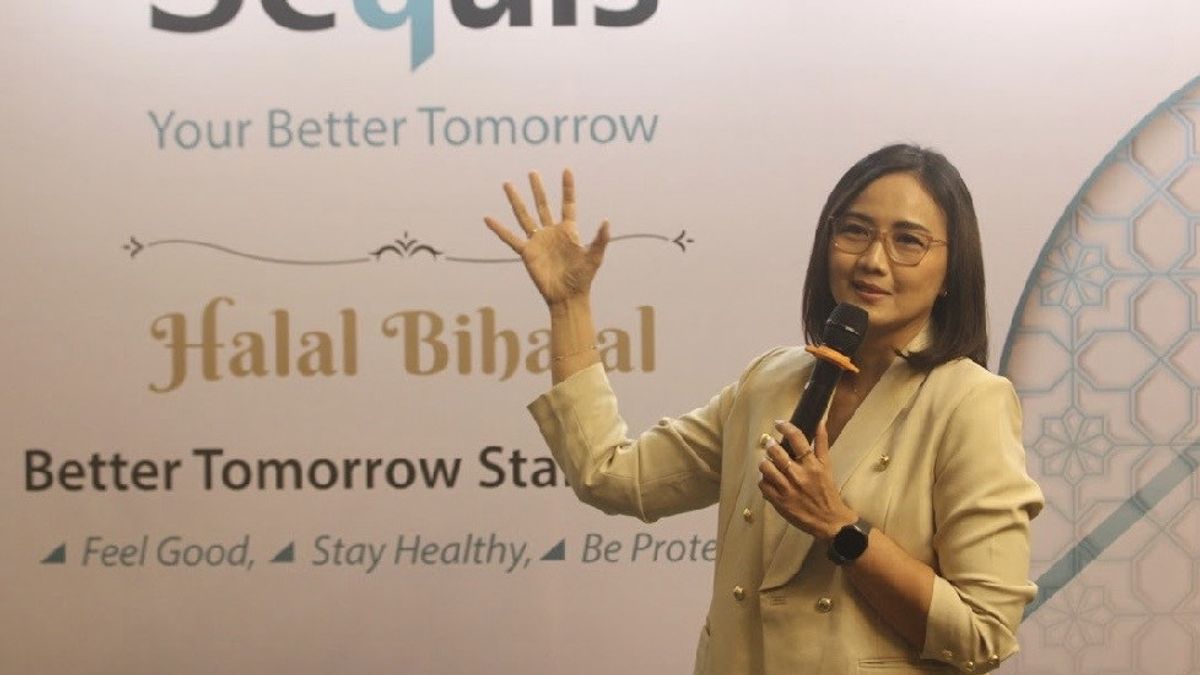
In the Halalbihalal event entitled "Better Tomorrow Starts Today: Feel Good, Stay Healthy, Be Protected" held by Sequis Life, the message about the importance of maintaining a balance between health and life was re-echoed.
The post-Eid moment is considered the right time to start good habits that had been neglected.
One of the main keys to maintaining health after Eid is to increase awareness of the body's needs, especially in terms of diet.
RSPI - Pondok Indah Clinic Nutrition Specialist, dr. Juwalita Surapsari, M.Gizi, Sp.G.K., emphasized the importance of recognizing body signals through the concept of mindful eating.
He explained that everyone needs to be more sensitive to the actual hunger, not just the desire to eat.
"I want us to be more aware of body signals. So, there is a concept called mindful eating. We can recognize when to eat. We divide the scale into 1 to 10," said dr. Juwalita when met at Ramela Resto, South Jakarta on Tuesday, March 31, 2026.
"If the scale is one, the person is severely hungry, has no energy left, is weak, extremely hungry. So, always take the time to assess where we are at," he said.
dr. Juwalita mengingatkan agar tidak mengabaikan sinyal tubuh karena dapat memicu makan berlebihan. Menurutnya, penting untuk bisa membedakan antara lapar fisik dan sekadar keinginan (craving).
"If you are really hungry, there are physical signs such as dizziness or stomach cramps. Usually they are offered any food they want. But if you crave, it is specific. For example, you only want sweet food, you are offered something else you don't want. So what we have to control is this is really hungry or craving?" he explained.
In addition, a balanced diet also needs to be reapplied after the Ramadan period. He emphasized the importance of the composition of food in one plate.
"Now we are rebalancing. In one meal, our plate must have carbohydrates, protein, vegetables, and fruit. Protein is important because it makes you full for longer. If you eat mostly carbohydrates, you usually get hungry again after an hour. Fiber from vegetables helps stabilize blood sugar and maintain digestive health," he explained.
Not only about eating, sleep patterns are also an important factor that is often overlooked. Changes in sleep patterns during Ramadan can affect the body's hormones.
"Go back to the previous sleep pattern so that the hormone balance returns. Lack of sleep increases the hormone ghrelin which triggers hunger. So, if you don't get enough sleep, you will usually be hungrier the next day," he added.
Dr. Juwalita also highlighted the importance of consistency in living a healthy lifestyle, including exercise and eating habits.
"Don't eat it too much, but make it more balanced. Remember that consistency is more important than intensity. Start gradually, but do it continuously," he concluded.
dr. Juwalita explained that meal time also affects the body's metabolism.
"It turns out that not only what we eat, but when we eat also determines metabolic health. The body is most ready to process food in the morning. Lunch is the main source of energy. In the evening, it is best to avoid heavy meals because metabolism slows down," he explained.
Closing his presentation, dr. Juwalita reminded the importance of a thorough post-Eid recovery.
"After this Lebaran, we reset again. Return to normal eating patterns, rebalance nutrition, get enough hydration, get enough sleep, and start physical activity again gradually. Small but consistent changes will give long-term results," he concluded.
In line with this, PT Asuransi Jiwa Sequis Life also invites the public not only to reset their health, but also their finances. After the consumption period during Ramadan and Lebaran holidays, it is important to re-arrange the priorities of life.
Chief of Human Resources & Corporate Services Sequis Life, Agustina Samara, said that the concept of feel good is not only related to feelings, but also a comprehensive condition.
"Feel Good is not just a mood, but a sense of calm because financial conditions are under control and health is maintained. This is a form of our responsibility to our families as #YangPalingBerarti in life," said Tina.
Tina added that a healthy lifestyle needs to go hand in hand with disciplined financial planning.
"Health and finances must be balanced. Healthy lifestyles need to be equipped with protection, while protection without financial discipline will not be optimal," he explained.
Post-Eid is not only about returning to routine, but also an opportunity to start over. This makes the body healthier and more ready to face tomorrow in better condition.
The English, Chinese, Japanese, Arabic, and French versions are automatically generated by the AI. So there may still be inaccuracies in translating, please always see Indonesian as our main language. (system supported by DigitalSiber.id)


