
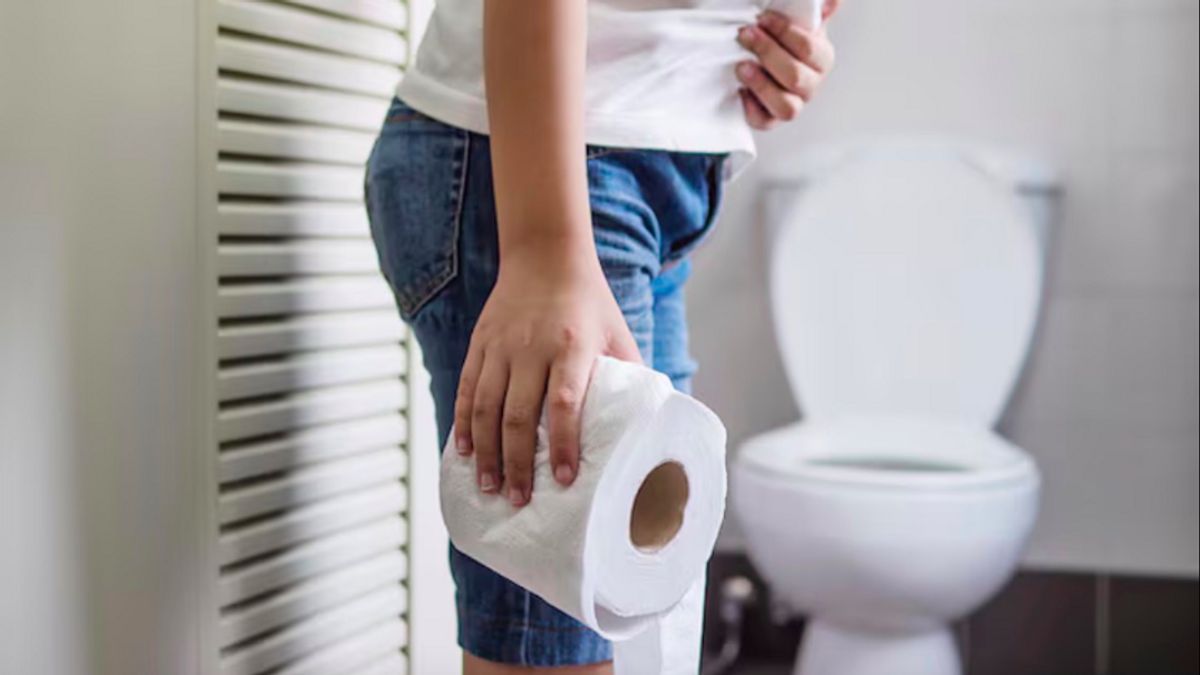


JAKARTA - Many people feel like they want to have a bowel movement (BM) after eating. This often raises the question, is this condition normal or is it a sign of a health problem?
A doctor explains that the desire to poop after eating is actually quite common. This condition is often not caused by food that moves quickly in the digestive system, as many people think.
Although it sounds unpleasant, the condition of the feces can actually provide a lot of information about the health of our body. Its shape, color, and consistency can be a clue whether the digestive system is working well or not.
In some cases, certain changes in the stool can be a sign of a more serious health problem. For example, some symptoms can be related to colorectal cancer, which in recent years has been increasingly found, including in younger age groups. Therefore, it is important to pay attention to unusual changes in bowel habits.
Gastroenterologist, Dr. Joseph Salhab explained that the desire to defecate after eating is often caused by a natural body mechanism called the gastrocolic reflex or gastrocolic reflex.
"This reflex occurs when food enters the stomach. When the stomach begins to stretch because it is filled with food, the body will send a signal to the brain," he said, quoted from the LADbible page.
The brain then gives orders to the colon to contract. The goal is to make new space in the digestive system for the food that has just entered. It is because of this contraction that a person can feel the urge to defecate immediately.
The explanation is also in line with the explanation from the NHS (National Health Service) in England. According to them, gastrocolic reflex is a natural physiological response that occurs when the stomach stretches after eating and the digestive process begins in the small intestine.
Usually, about 20 to 30 minutes after eating, signals from the stomach will tell the brain that the stomach is full. The body then responds by stimulating the large intestine to move.
Several types of food or drinks can also strengthen this reflex. For example, spicy foods, alcohol, or caffeinated beverages such as coffee.
It's no wonder that after breakfast accompanied by a cup of coffee, a person feels more quickly wanting to go to the bathroom.
In general, the desire to defecate after eating is not something to worry about. As long as the shape and consistency of the stool looks normal, it does not hurt, and it does not happen too often, this condition is still considered normal.
However, if other symptoms such as persistent abdominal pain, prolonged diarrhea, unusual changes in the shape or color of feces, or blood in the feces appear, it is best to consult a doctor immediately.
Paying attention to bowel habits may seem simple, but it can be one of the simplest ways to monitor the health of our bodies.
The English, Chinese, Japanese, Arabic, and French versions are automatically generated by the AI. So there may still be inaccuracies in translating, please always see Indonesian as our main language. (system supported by DigitalSiber.id)
Most Popular Tags
#Prabowo Subianto #donald trump #firearm #8791 #giias 2026Popular


