
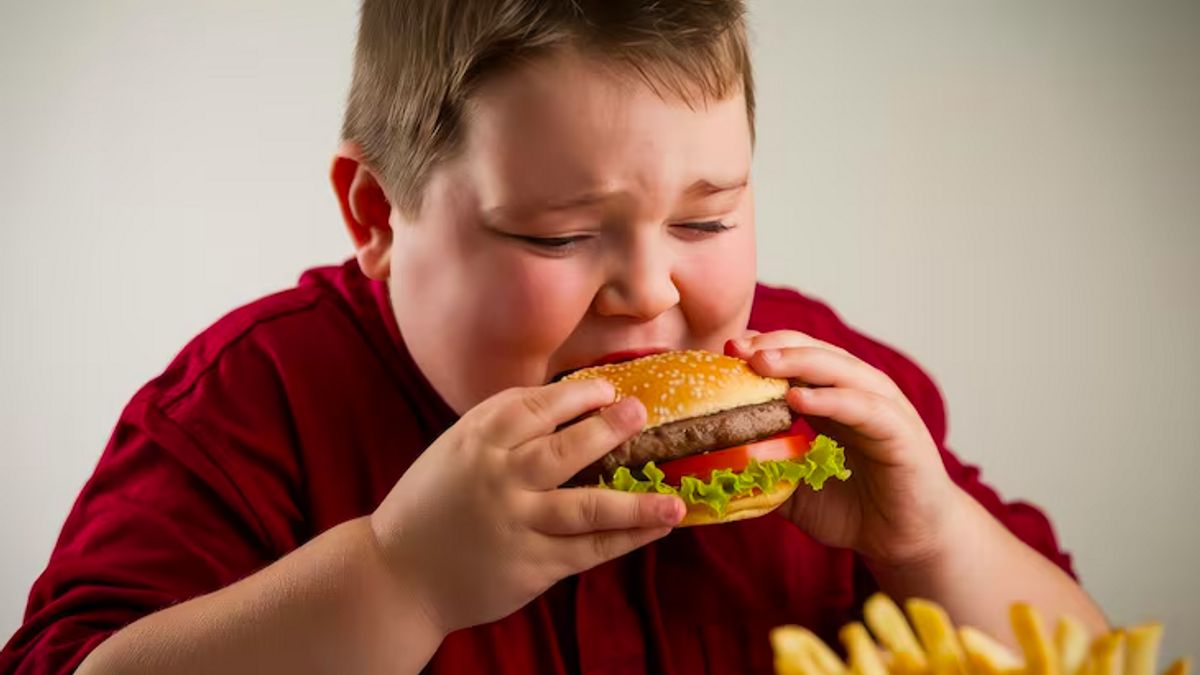


JAKARTA - Not a few parents feel happy when they see their child eating greedily. Initially, this habit was considered a sign of a healthy and active child, especially when they just started eating solid foods after the breastfeeding period or are facing the picky eater phase.
However, the habit of overeating that seems fun for parents can actually have a negative impact on children's health and development.
The principle of "everything in excess is not good" also applies to diet. If a child's calorie intake exceeds the body's needs, various health and psychological risks can arise, both in the short and long term.
Impact on healthHere are some of the effects that can occur due to excessive eating in children, as quoted from the Huffington Post.
1. Digestive problems
Overeating can cause various digestive disorders, ranging from constipation due to lack of fiber, bloating, stomach pain, to an increase in stomach acid due to too full stomach. Children with high blood pressure and high cholesterol are also at risk of heart disease and stroke later.
2. Obesity and overweight
Excess calorie consumption that the body does not use will be stored as fat, triggering unhealthy weight gain. Obesity in children needs to be watched out for because it has the potential to continue into adulthood.
3. Type 2 diabetes
Excess weight and a high sugar diet make children prone to type 2 diabetes, a condition usually found in adults. Diabetes can cause damage to the eyes, kidneys, and nerves, so early prevention is very important.
4. High blood pressure
Obese children are at higher risk of hypertension. If left untreated, high blood pressure can cause narrowing of blood vessels in adulthood. Limiting salt, regulating diet, and maintaining ideal body weight are preventive measures that need to be taken.
5. Asthma
Excess fat accumulation can trigger chronic inflammation that affects the respiratory system, so the risk of asthma increases in children with excess weight.
6. Sleep disturbance
Obesity is also closely related to sleep apnea, which is the cessation of breathing during sleep. This condition reduces sleep quality and can interfere with concentration and child growth.
7. Arthritis and fractures
Too much body weight puts extra pressure on still-developing bones and joints, increasing the chances of joint pain or injury such as fractures.
8. High cholesterol
In addition to genetic factors, consumption of foods high in saturated fat and salt can increase children's cholesterol levels. Processed foods, fried foods, and snacks high in sodium are the main triggers for this problem.
The English, Chinese, Japanese, Arabic, and French versions are automatically generated by the AI. So there may still be inaccuracies in translating, please always see Indonesian as our main language. (system supported by DigitalSiber.id)


