



JAKARTA - Without realizing it, microplastics have entered the kitchen until it enters our bodies. One of the reasons is the use of plastic utensils and kitchen utensils.
Plastic kitchen utensils look practical and cheap, but whenever used mainly for hot foods they can remove small plastic particles called microplastics.
Microplastics are very small pieces of plastic, in fact, many of which cannot be seen. These particles are now found everywhere such as in soil, sea, air, to in food and drink.
Research in February 2025 shows microplastics can accumulate in the human body's tissue from time to time. Scientists are now researching whether this buildup is associated with various long-term serious illnesses.
Microplastics has become a serious problem for the environment and health. It is estimated that humans inhale about 22 million micro and nanoplastic particles each year. We are exposed in three ways, namely inhaling, swallowing, or direct contact with the skin.
Research shows that microplastics can cause various health problems. Microplastic exposure in the body can trigger tissue inflammation and cell damage, and have an impact on the function of the lungs and liver.
In addition, the presence of microplastics in blood vessels is also associated with the increasing risk of heart attacks and strokes. In animals, microplastics are known to cause DNA damage. This increases the potential for cancer to occur and lowers fertility levels.
SEE ALSO:


The good news is, you can reduce microplastic exposure with some simple changes. Here are 7 kitchen utensils filled with microplastics, as reported by the CNET page on Saturday, November 1, 2025.
1. Anti-stick Cooking Equipment (Teflon)
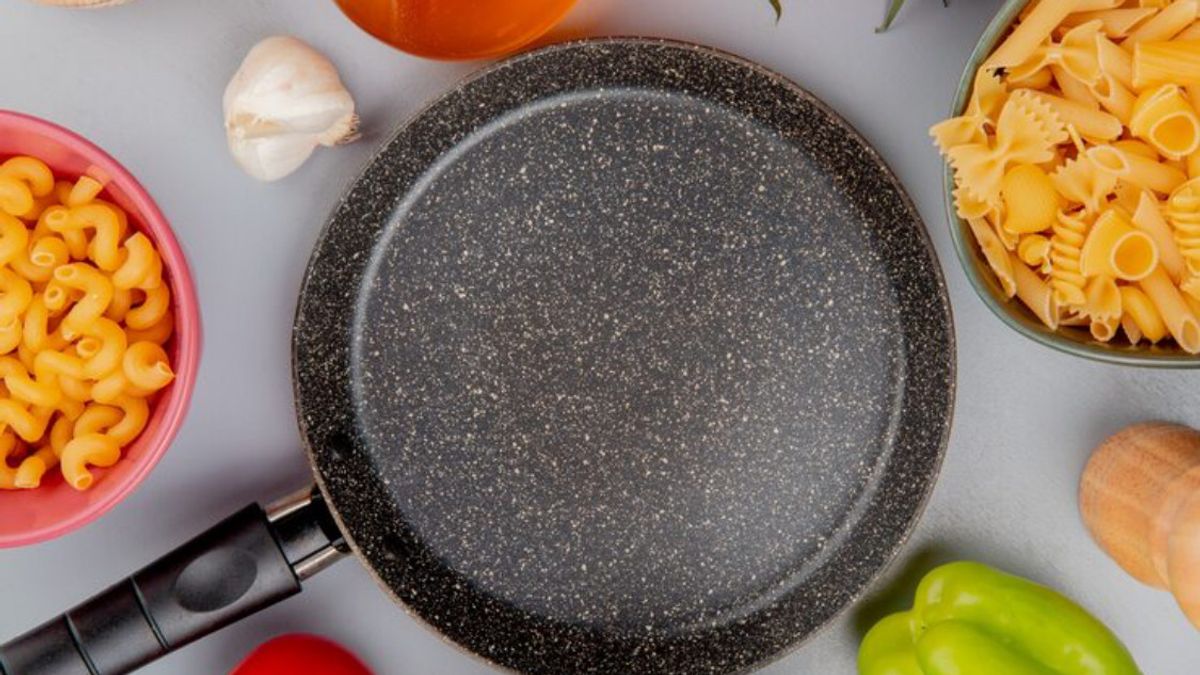
A basket or an anti-rocket pot can actually remove microplastics when heated. Especially if the anti-stick layer has been scratched. Just one small crack can release millions of small plastic particles into the food. It is better to use iron pans, stainless steel, or ceramics.
2. Plastic Food Forum
Plastic containers for food wrappers or take-outs can release microplastics when heated or washed with hot water. Alternatives are using a glass container or stainless steel.
3. Plastic Equipment
Pondok, forks, plastic sinks, especially those used for hot foods, can issue microplastics. It is better to choose wood or metal utensils.
4. Celup Tea Bag
Some bags of tea contain polypropylene plastic. When brewed with hot water, billions of microplastic particles can dissolve into tea. The alternative is to use leaf tea (loose leaf) with sieve.
5. Spices in Plastic Packaging
Bottles or plastic packaging can be contaminated with spices in them. Research found the presence of microplastics in almost all spices stored in plastic containers. It's best to choose spices in glass bottles.
6. Plastic suction
Plastic suction can release microplastics that can be inhaled directly. In nature, straws also pollute water and soil. Alternatives are using stainless straws or bamboo.
7. Food Canned Layer
Many food cans have protective layers made of plastic, although no longer BPA, still contain microplastics. It is better to choose fresh food or packaged in glass.
The English, Chinese, Japanese, Arabic, and French versions are automatically generated by the AI. So there may still be inaccuracies in translating, please always see Indonesian as our main language. (system supported by DigitalSiber.id)
Most Popular Tags
#Prabowo Subianto #donald trump #2026 World Cup #Febrie Adriansyah #8791Popular


