
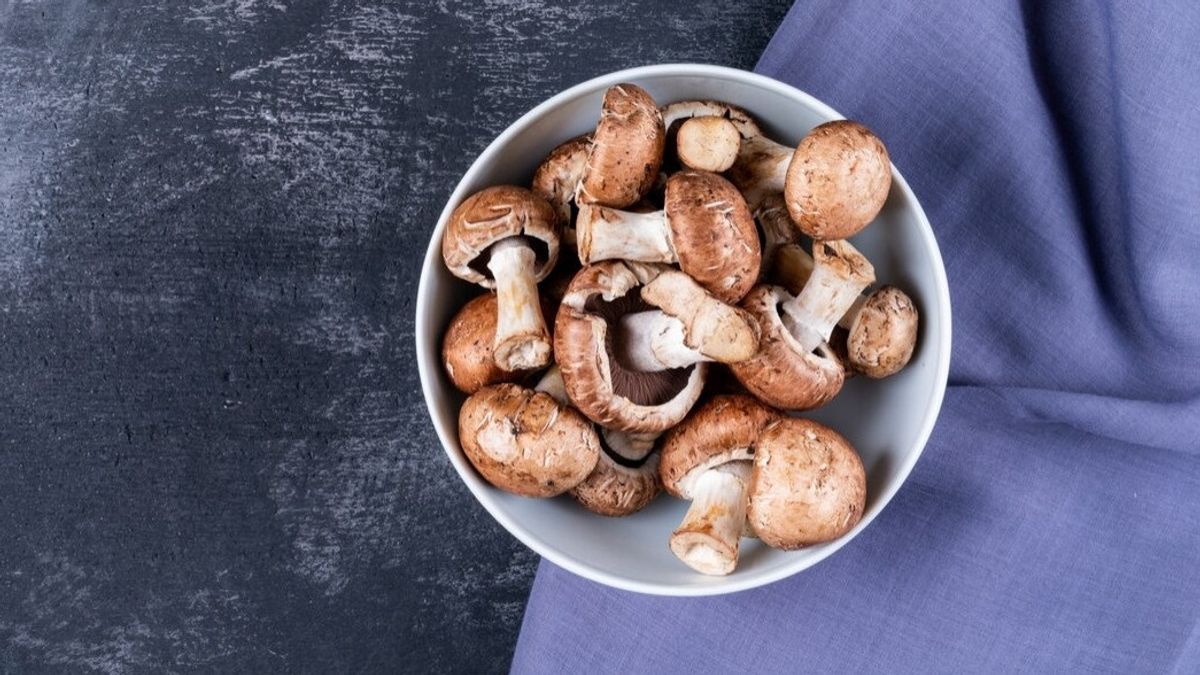


JAKARTA - Mushrooms are a versatile and nutritious food ingredient. Their distinctive umami flavor makes them a perfect pairing with a variety of dishes. Furthermore, mushrooms are rich in nutrients that are beneficial for health.
However, there are several types of food that should not be consumed with mushrooms because they can have adverse effects, both in terms of health and taste.
Mushrooms are generally safe to consume, but combining them with certain foods can cause discomfort, reduce nutritional value, and even affect the taste.
The following foods should not be consumed with mushrooms, as reported by the ET Protein website.
1. Foods High in Purines
Mushrooms contain moderate levels of purines. Purines are substances that can be converted into uric acid in the body. For people with gout or kidney problems, consuming mushrooms with foods high in purines can worsen the condition.
Examples of foods high in purines that should be avoided with mushrooms include red meat, organ meats (such as liver), anchovies, and sardines.
2. Potatoes
Some traditional beliefs and personal experiences suggest that certain combinations with mushrooms can cause side effects, although scientific evidence is still limited.
For example, combining mushrooms with complex carbohydrates like potatoes. Combining alcohol with mushrooms is also dangerous. While not harmful to everyone, some people experience digestive discomfort after combining these foods.
3. Cheese and Spicy Foods
Besides health factors, some foods can mask or impair the flavor of mushrooms. If you want to enjoy the natural flavor of mushrooms, it's best to avoid combining them with spicy foods.
Health Considerations When Consuming Mushrooms
Besides paying attention to food combinations, there are other important considerations when including mushrooms in your daily diet.
1. Allergies
Some people can experience mushroom allergies. Symptoms can include itching, swelling, and difficulty breathing. If this occurs, it's best to stop consuming them and consult a medical professional immediately.
2. Interactions with Medications
Some types of mushrooms, especially those used in traditional medicine, can affect the effectiveness of certain medications, such as blood thinners or insulin. Therefore, if you are currently undergoing treatment, it is best to consult a doctor before consuming mushrooms as a supplement or adjunct therapy.
3. Nutritional Content
Mushrooms contain many important vitamins and minerals, such as B vitamins, selenium, and potassium. Although nutritious, mushrooms should still be part of a balanced diet, not the sole source of nutrients.
So far, research on the negative effects of combining mushrooms with other foods is still limited. However, there have been quite a few studies on purine metabolism, and the results emphasize that gout sufferers should control their consumption of purine-rich foods, including mushrooms.
The English, Chinese, Japanese, Arabic, and French versions are automatically generated by the AI. So there may still be inaccuracies in translating, please always see Indonesian as our main language. (system supported by DigitalSiber.id)


