


JAKARTA - Old age is often accompanied by a decrease in memory and balance functions, two capabilities that are very important for quality of life. However, a recent study reveals that attending dance classes regularly can improve brain health in the elderly, including increasing the volume of the hippocampus and increasing body balance.
Research published at Frontiers in Human Neuroscience, reported Medical Daily, Thursday, September 4 found that elderly people who continue to learn various dance styles such as jazz, square, Latin-American dance, and line dance increased hypocampus volume and increased balance capabilities.
Hypocampus is part of the brain that is responsible for memory and learning, and plays a role in maintaining a balance of the body. Unfortunately, this structure is one of the fastest to experience damage due to aging or neurodegenerative conditions such as Alzheimer's disease.
Dr. Kathrin Rehfeld and his team from the German Center for Neurodegenerative Diseases designed a research method that compares two physical activity programs in the elderly with an average age of about 68 years:
As a result, both groups showed an increase in hippocampus volume, but dance groups showed a significant increase in balance and it was not found in control groups.
Dr. Rehfeld concluded that in addition to physical fitness, cognitive and sensory aspects of dance provide a challenge in itself that strengthens the anti-aging benefits of the brain.
Another study conducted over 21 years shows that elderly people who dance quite often have a lower risk of developing dementia up to 76 percent, almost twice as beneficial than other physical or cognitive activities.
This shows that dancing, especially freestyle, encourages the brain to continue rewiring neuromotor pathways and expanding cognitive reserves (cognitive reservoirs), as well as strengthening connectivity between neurons.
SEE ALSO:
-
 | INFO SEHAT
Apakah Alzheimer Bisa Sembuh dan Gejala-Gejalanya yang perlu Diwaspadai
26 November 2023, 15:01
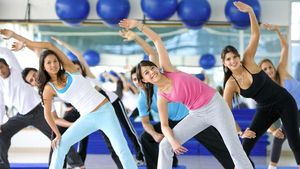
Dancing is fun, but for the elderly, there are several important things that need to be considered so that they are both safe and effective:
Consult with Doctor
Before starting new physical activity, you should check your health condition. Doctors can provide advice on types of movement or intensity that are safe according to heart condition, joints, or bones.
Choose A Matchable Dance Style
Not all types of dance are suitable for everyone. The elderly can choose:
Line dance: simple, repeated, easy to follow.
Ballroom dance (such as haphazard): both for coordination and social interaction.
Light Latin dance (such as slow version salt): fun and rhythmful.
Freestyle: giving freedom of expression, as well as training the brain to adapt.
Starting Slowly
Starting with a short session (15'20 minutes) then gradually upgrading to 45'60 minutes per week. Focus on comfort, not speed.
Use Comfortable Shoes And Clothes
Choose shoes with flat soles, not slippery, and enough to support your legs. Loose clothes and absorbing sweat will make the body move more freely.
Don't Ignore Warming And Cooling
Do a 510 minute light stretch before dancing to prevent muscle injury, and cool after the session to help recover the body.
Follow Classes with Certified Outlets
Experienced instructors know how to adjust the movement to suit participant physical limitations. They can also help improve posture and ensure safety.
Make Dancing A Social Activity
In addition to physical and cognitive benefits, dancing in groups also increases mood, expands friendship networks, and reduces the risk of loneliness in the elderly.
The English, Chinese, Japanese, Arabic, and French versions are automatically generated by the AI. So there may still be inaccuracies in translating, please always see Indonesian as our main language. (system supported by DigitalSiber.id)


