


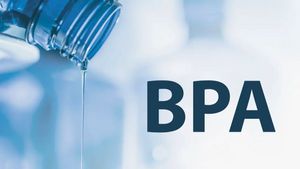
JAKARTA - Filling Galons often cause concern in the community because most are made of polycarbonate ingredients that contain Bisphenol A (BPA) compounds.
This concern arises because BPA is often associated with potential health risks, although it is still a debate among scientists. To answer these concerns, experts emphasize that the sterilization process and strict industrial standards make gallons safe for consumers to reuse.
"When it becomes a polycarbonate compound, the polymer production should be safe. This means that gallon product packaging is safe for bottled drinking water (AMDK)," said a member of the Association of Indonesian Food Technology Experts (PATPI), Hermawan Seftiono, as quoted by ANTARA.
Hermawan explained that each AMDK factory has strict procedures to ensure the gallon used remains sterile. The washing process begins with mechanical cleaning using a special brush, followed by washing using hot water and food grade detergents to kill microorganisms.
After that, the gallon is rinsed with purely high pressure water so that there are no residuals left behind, then sterilized using UV light or ozone.
SEE ALSO:
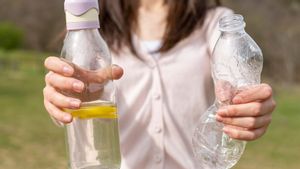
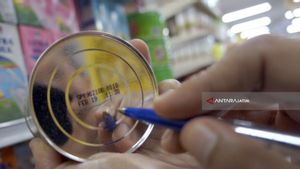
All stages are carried out automatically and closed. Before being refilled, the gallon is also checked manually to detect cracks or damage. Unsuitable Galons are immediately separated for recycling, while the gallon that passes the test can be reused.
In addition to being safer, gallons of polycarbonates are also considered practical because they are heat resistant to 150 degrees Celsius, strong, light, and not easily broken. Lecturer and researcher of the Department of Food Science and Technology as well as a member of the SEAFAST Center IPB, Nugraha Edhi Suyatma, added that gallons of PCs have lower densities than other types, so the weight is lighter.
"This means that if a gallon bottle is made of the same shape and size and thickness, the gallon of the PC will have a lighter weight than the other gallon," he said.
Nugraha also emphasized the environmental benefits of using gallons of PCs. One gallon to repeat can replace about 200300 single-use plastic bottles each year. With millions of gallons used in Indonesia, its contribution to plastic waste reduction is very significant.
He added that a number of studies on BPA have used objects such as milk bottles and canned foods, especially those that are heated or contain fat, because they react more easily with BPA. Meanwhile, the water in the gallon refills is relatively stable and does not react easily to the BPA.
Each country, including Indonesia, has also set a threshold for BPA exposure that is allowed in food packaging, so that consumers can still feel safe in their use.
The English, Chinese, Japanese, Arabic, and French versions are automatically generated by the AI. So there may still be inaccuracies in translating, please always see Indonesian as our main language. (system supported by DigitalSiber.id)
Popular


