


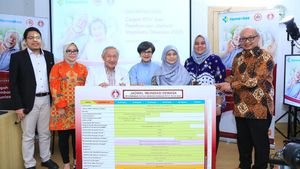
JAKARTA - Prof. Dr. dr. Dwiana Ocviyanti, SpOG(K), MPH, Chair of the Indonesian Association of Obstetrics and Social Gynecology Indonesian Obstetrics and Gynecology Association, emphasized the importance of administering the Respiratory Syncitial Virus (RSV) vaccine to pregnant women to protect babies from serious infections caused by the virus.
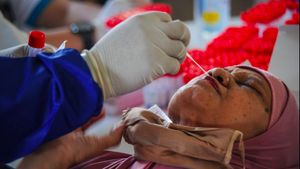
In a health discussion held in Jakarta, Wednesday, August 6, Prof. Dwiana explained that RSV is one of the main causes of respiratory problems such as cough colds and pneumonia in infants, especially those under the age of six months.
"Infectious RSV is very dangerous if it attacks a baby, especially a newborn. More than 50 percent of cases occur at the age of the first three months, and about 75 percent attack a baby under the age of six months. In fact, a small baby is not yet possible to receive the vaccine directly," he explained.
He added that health problems such as fever or diarrhea that occur at the beginning of the baby's life can have an impact on the overall growth and development process.
"We often think of babies with fever or diarrhea. In fact, those times are important times in their growth. Losing these days can have a long-term impact. Until the age of five, children should avoid disturbances such as influenza and RSV," he explained.
SEE ALSO:
-
 | INFO SEHAT
Cegah Komplikasi Infeksi Pernapasan, Lansia Komorbid Perlu Vaksin RSV
10 Juli 2025, 13:25 -
 | KESEHATAN
Jemaah Haji Rentan Terkena ISPA yang Disebabkan oleh RSV, Apa Itu?
27 Februari 2025, 18:00 -
 | KESEHATAN
Menghadapi Lonjakan Kasus Penyakit Pernapasan, Pencegahan Jadi Langkah Efektif
20 Februari 2025, 10:28

According to Prof. Dwiana, RSV vaccination for pregnant women is an effective solution to provide indirect protection for the baby. In addition to protecting the mother from infection, this vaccine allows the resulting antibodies enter the fetus's body through the placenta.
"Protecting babies can be done by protecting their mother first. When the mother is vaccinated, her body will produce antibodies that will be transferred to the fetus through the placenta and umbilical cord," he explained.
He said that the time for giving the RSV vaccine should ideally be done in the final trimester of pregnancy, but still need to pay attention to the safe distance before delivery.
"Don't give it too close to the time of giving birth. This vaccine takes at least two weeks for antibodies to form, even the best time is about five weeks before delivery," he explained.
Furthermore, Prof. Dwiana also reminded the importance of a thorough pregnancy examination by doctors, not just routine examinations with midwives or nurses.
"Initial examinations must be carried out by doctors to ensure that the mother's condition is completely healthy. After that, she can only continue regular control with the midwife or nurse. However, when the gestational age enters the 32nd to 34nd week, re-examination of the doctor is highly recommended," he added.
The English, Chinese, Japanese, Arabic, and French versions are automatically generated by the AI. So there may still be inaccuracies in translating, please always see Indonesian as our main language. (system supported by DigitalSiber.id)
Most Popular Tags
#Prabowo Subianto #donald trump #Febrie Adriansyah #8791 #giias 2026Popular


