

JAKARTA - Burnout is not just an ordinary feeling of fatigue, but a serious condition that can affect a person's physical, emotional, and work performance. To overcome this effectively, the first step is to recognize the symptoms early on.
Start by setting healthy boundaries between work and personal life, such as avoiding bringing work to the home or working outside the predetermined hours. Take time to rest, do relaxation activities such as meditation, exercise, or just take a leisurely walk.
Social support is also very important, sharing stories with friends, family, or co-workers can help ease pressure. Finally, don't hesitate to seek professional help if you feel you can't handle it yourself. With the right approach, burnout can not only be controlled, but also prevented.
Clinical psychologist who graduated from the University of Indonesia, A. Kasandra Putranto, explained that burnout is a form of emotional, physical, and mental fatigue that arises due to prolonged stress in the work environment.
According to him, this condition occurs when a high workload is not proportional to the available support or resources.
Kasandra quoted a statement from the World Health Organization (WHO) in 2019, which called burnout a syndrome that arose due to stress in the workplace which was left without adequate treatment.
SEE ALSO:
-
 | BERITA
Syarat-Syarat Helm sebagai Alat Perlindungan Diri, Wajib Memenuhi Standar Keselamatan
03 Februari 2025, 10:25
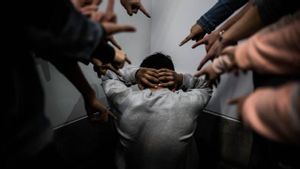


In general, burnout has three main dimensions. First, physical fatigue which is characterized by prolonged fatigue, sleep disorders, and decreased endurance.
Second, psychological symptoms such as loss of work spirit, feeling unappreciated, to being easily emotional. Third, burnout is also seen from changing work behavior, such as decreased productivity, cynical attitude towards work, and tendency to be absent frequently.
To prevent this condition, Kasandra suggested that individuals start by increasing awareness of the importance of mental health. This can be done through regular psychological examinations and early detection of symptoms of stress and burnout.
Good time management is also an important key. Define reasonable working hours, avoid doing many tasks at once, and focus on priorities. In addition, increasing self-capacity through training or developing skills can provide confidence and a sense of control over work.
Building a social support system is no less important. Maintaining healthy communication with superiors and co-workers and participating in a positive community can help create a more supportive work environment.
He also emphasized the importance of maintaining a balance between work and personal life. Take time to be with your family, carry out hobbies, or carry out relaxation activities such as yoga and meditation so that mental well-being is maintained.
At the organizational level, Kasandra encourages workplaces to create an open, supportive, and responsive atmosphere for complaints or input from employees.
As a recovery measure, he advised not to hesitate to take leave if needed, in order to provide space for the body and mind to rest.
For individuals who feel they need further assistance, consulting with a professional psychologist or counselor can be a wise choice. Some recommended therapeutic approaches include mindfulness, cognitive behavioral therapy (CBT), and behavior activity.
If these various efforts have not yielded results, Kasandra suggested that someone re-evaluate their career goals. Reflection on personal values and satisfaction in work can pave the way for changing roles or seek a more appropriate job.
Finally, if the workload feels too heavy, it is important to convey it assertively to superiors. Discuss the possibility of adjusting responsibilities or more flexible work arrangements in order to maintain long-term mental health.
The English, Chinese, Japanese, Arabic, and French versions are automatically generated by the AI. So there may still be inaccuracies in translating, please always see Indonesian as our main language. (system supported by DigitalSiber.id)
Most Popular Tags
#Prabowo Subianto #donald trump #firearm #8791 #giias 2026Popular