
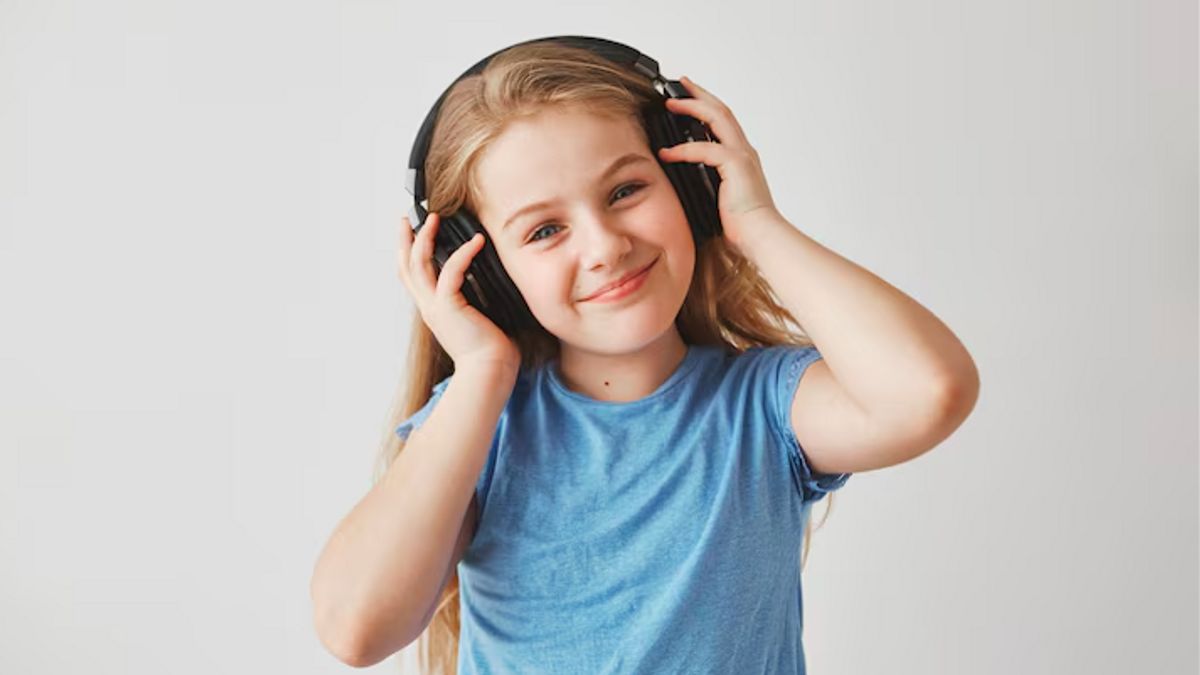


JAKARTA - Music is not just entertainment for children, but also plays a major role in supporting the growth and development of the brain. Through rhythms and melodies, children's brains are stimulated to build important interneuron connections in the learning process.
The benefits of music can even strengthen children's language, motor, and emotional abilities if they are regularly listened to and age-appropriate.
Clinical psychologist for children and adolescents graduated from Padjadjaran University, Michelle Brigitta Shanny, M.Psi., said that music plays an important role in providing sensory experiences that support brain development.
"During growth, children's brains are still very plastic, meaning they are very easy to form and strengthen neural networks through experiences such as listening to music," Michelle said, as quoted by ANTARA.
He explained that music exposure is able to stimulate various important areas in the child's brain, ranging from temporal lobes that play a role in processing languages and sounds, frontal lobes related to thinking and attention, to cerebellum that regulates motor coordination.
Not only supporting cognitive aspects, music also helps children understand and express emotions. Through activities such as singing, dancing, or playing musical instruments, children learn to regulate emotions and develop motor skills as well as body rhythm skills.
However, Michelle also reminded parents to be more selective in choosing music for children. Music that is not age-appropriate, for example, which contains violent or sexual content can have a negative impact on children's development, both emotionally, socially, and neurologically.
Children tend to imitate what they hear and see, without really understanding the context. For example, if they often hear lyrics in harsh language or watch adult scenes, they can imitate them and think it's normal," he explained.
SEE ALSO:
-
 | LIFESTYLE
Gus Zizan dan Kamila Asy Syifa Tuai Kecaman, Alasan Pernikahan Dini Tak Diperbolehkan
08 Oktober 2024, 18:55



He added that at an early age, children did not have a critical ability to filter information. This can make them imitate inappropriate language, have a wrong perception of romantic relationships, or question things they are not ready to understand.
Therefore, the role of parents is very important. According to Michelle, parents should not immediately prohibit or scold their children when they are exposed to music that is not ageable, but instead take advantage of this moment as an opportunity to have a dialogue.
"Create open communication, explain in easy-to-understand language, and offer other music with more age-appropriate lyrics. Invite children to choose songs together can be a fun way to form positive habits," he said.
In addition to providing restrictions, parents are also advised to teach media literacy from an early age, namely the ability to critically assess, understand, and screen information.
The English, Chinese, Japanese, Arabic, and French versions are automatically generated by the AI. So there may still be inaccuracies in translating, please always see Indonesian as our main language. (system supported by DigitalSiber.id)
Most Popular Tags
#Prabowo Subianto #donald trump #earthquake #independence day #8791 #hut riPopular


