
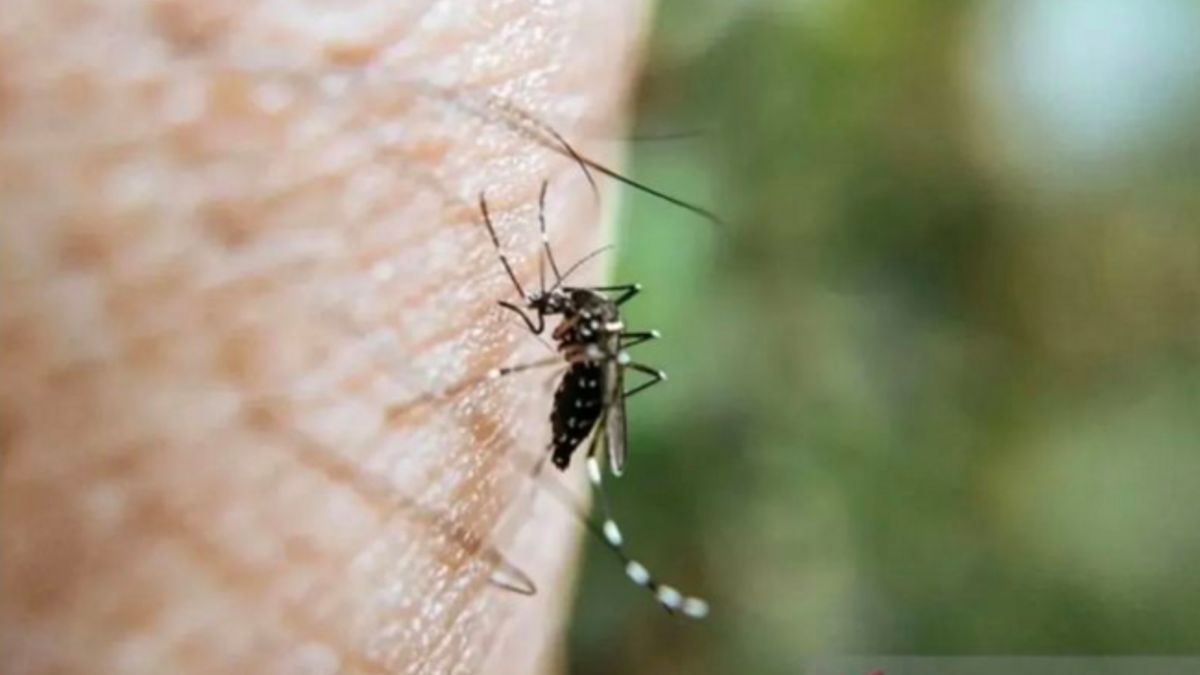


JAKARTA - Dengue Hemorrhagic Fever (DHF) is a disease transmitted through the bite of the Aedes aegypti mosquito, especially the female.
This mosquito is the main vector of the spread of dengue virus, which often causes outbreaks during the rainy season or in environmental conditions that support mosquito breeding.
Pediatrician and Pediatrician Infection and Tropical Disease from FKUI-RSCM, Dr. dr. Mulya Rahma Karyanti, Sp.A(K), M.Sc, PhD, explained that only Aedes aegypti female mosquitoes can transmit dengue virus because they need human blood for the egg maturation process. Meanwhile, male mosquitoes only suck liquids from plants and do not play a role in the transmission of this disease.
After biting someone who is already infected, a female mosquito can become a source of dengue transmission within about 100 to 200 meters of the initial location. This explains why in one house or dense environment, more than one family member can be infected with dengue, especially when community activities are limited to the same as during a pandemic.
Dr. Mulya emphasized that dengue fever does not spread through the air, droplets, or direct contact between humans, but is purely transmitted through the bite of a virus-carrying mosquito.
To control the spread of this disease, he appealed to the public to routinely take 3M Plus steps: drain water reservoirs, close water containers, and bury used goods that have the potential to breed mosquitoes.
"It's enough once a week to clean the bathroom and the waterbed, it's been very helpful," he said, as quoted by ANTARA.
SEE ALSO:
-
 | INFO SEHAT
Jus Jambu Biji Belum Terbukti Naikkan Trombosit, Ini Penjelasan Dokter
05 Juni 2025, 04:25 -
 | KESEHATAN
Ribuan Nyamuk Wolbachia Disebar di Jakarta Barat untuk Cegah Demam Berdarah
29 April 2025, 15:25

In addition to places that are easily visible, attention also needs to be given to hidden areas such as under dispensers, under cupboards, pet water containers, and flower pots. These points often escape supervision and become favorite places for mosquitoes to breed.
In a wider prevention effort, Dr. Mulya also said that currently there is a dengue vaccine for children and adults with an age range of 6 to 45 years. The vaccine is given in two doses with a three-month gap, and has an effectiveness of up to 86% in preventing severe dengue form.
Although vaccination is an important step, he emphasized that the habit of maintaining environmental hygiene must still be done for maximum protection. Vaccines are not a substitute for 3M, but a complement," he said.
In addition, the latest innovation in controlling mosquitoes is now present in the form of mosquitoes that have been injected with Wolbachia bacteria. These bacteria prevent the dengue virus from developing in the body of mosquitoes, so that these mosquitoes can no longer transmit the virus to humans.
Comprehensive prevention efforts, both through education, vaccination, and technology, are the main keys to reducing the number of dengue fever cases in Indonesia.
The English, Chinese, Japanese, Arabic, and French versions are automatically generated by the AI. So there may still be inaccuracies in translating, please always see Indonesian as our main language. (system supported by DigitalSiber.id)
Most Popular Tags
#Prabowo Subianto #donald trump #2026 World Cup #venezuela #konflik timur tengahPopular


