


JAKARTA - Anemia, a condition of lack of red blood cells or hemoglobin, can be prevented from a young age, especially in young women.
Early prevention is very important because women have a higher risk of developing anemia, especially during menstruation and pregnancy. Nutritional education and consumption of iron supplements such as blood-added tablets are the main keys in keeping hemoglobin levels normal.
Doctor and community nutritionist, dr. Tan Shot Yen, emphasized that efforts to prevent anemia should start from adolescence, even before women enter fertile age. "The blood added talent is a mainstay in preventing anemia. The consumption should start as a young woman, because the government already has a special program related to this," he said when interviewed from Jakarta, Thursday.
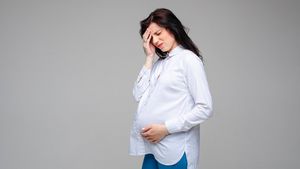
For pregnant women, it is permissible to consume tea, but it is necessary to pay attention to the consumption time. It is better if tea is drunk outside of meal hours because the content of tannin in tea can inhibit the absorption of iron from food.
SEE ALSO:
-
 | INFO SEHAT
Kurangnya Asupan Zat Besi, Penyebab Utama Tingginya Kasus Anemia di Indonesia
14 Februari 2025, 12:25 -
 | INFO SEHAT
Ribuan Remaja Putri di Karawang Diduga Anemia karena Seblak, Ini Kata Kemenkes
22 Januari 2025, 14:25 -
 | INFO SEHAT
Selain Zat Besi, Ini Sederet Nutrisi Penting yang Perlu Dicukupi untuk Cegah Anemia
24 Desember 2024, 17:25

If pregnant women have been diagnosed with anemia, further treatment is needed. Steps that can be taken ranging from the provision of iron supplements, folic acid, to blood transfusions, depending on the severity of the anemia experienced. Consulting with health workers is highly recommended for appropriate treatment.
Tan also recommends that people eat foods that help absorb iron. Foods rich in vitamin C, such as oranges and dark green vegetables, can increase the body's ability to absorb iron from food. In addition, foods that contain vitamins A and beta carotene, such as carrots and yellow labus, as well as sources of protein such as chicken and fish, are also highly recommended.
He explained that anemia can occur for various causes, ranging from essential nutritional shortages such as iron, folic acid, or vitamin B12, to disorders of blood cells formation in the bone cord due to diseases such as cancer. In addition, anemia can also be caused by the destruction of red blood cells that are too fast in the runoff, such as in hemolithic anemia caused by parasitic infections or genetic disorders such as talasemia.
Blood loss is also a common cause of anemia, either acutely, such as an accident or bleeding after giving birth, or chronicly such as bleeding due to an infectious worm, or bleeding cough in people with tuberculosis (TBC).
The English, Chinese, Japanese, Arabic, and French versions are automatically generated by the AI. So there may still be inaccuracies in translating, please always see Indonesian as our main language. (system supported by DigitalSiber.id)
Most Popular Tags
#Prabowo Subianto #donald trump #firearm #8791 #giias 2026Popular


