



JAKARTA - Developing countries are facing great pressure: the need for housing and infrastructure continues to rise, but emissions must also be suppressed. Citing a China Daily report, Friday, May 15, officials from the United Nations Environment Program or UNEP assessed that China's experience in green construction and low-carbon development is worth studying.
The statement was made ahead of the 13th World Urban Forum, which will be held in Baku, Azerbaijan, on May 17-22. The forum discusses the future of cities amid population growth, housing needs, and climate risks.
UNEP Climate Change Division Director Martin Krause said many developing countries face a "double challenge". They must expand infrastructure, but also reduce emissions.
The pressure is especially felt in areas that still lack houses and have many unsuitable dwellings.
"The work China is doing in this particular sector is certainly impressive," Krause said.
According to Krause, African countries that are facing a surge in housing and infrastructure needs can learn from China's experience through international forums on sustainable construction and climate action.
He said buildings are now an important part of the climate crisis. This is because buildings are directly related to emissions, living costs, and residents' resilience to extreme weather.
Energy-intensive buildings make electricity needs high and household costs rise. On the other hand, energy-efficient buildings can reduce bills, strengthen energy resilience, and help residents deal with hot temperatures and extreme weather.
UNEP assessed that the expansion of cities in China shows how large-scale infrastructure development can go hand in hand with improving building practices and energy efficiency.
In recent decades, China has invested huge resources in the transition to a green economy. Previous UNEP reports have said that the transition can support economic growth, reduce the impact of climate change, create jobs, and improve living standards.
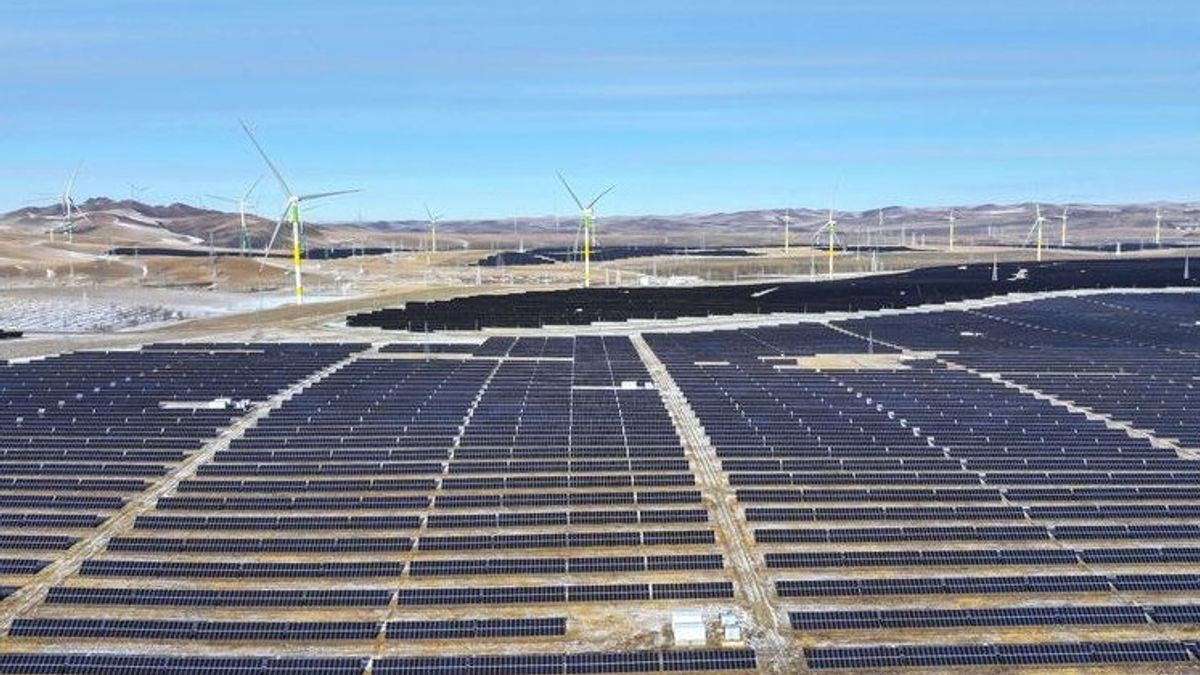
China is also a major producer of renewable energy. The country produces the largest number of solar panels and wind turbines in the world, which are widely used in city development.
UNEP officials also explained the findings of the Global Status Report for Buildings and Construction 2025/2026, which will be released next week. According to the report, the building sector needs to reduce emissions, manage climate risks, and keep housing prices affordable.
Oliver Rapf, Executive Director of the Buildings Performance Institute Europe, said the global floor area of buildings continued to grow rapidly. However, efforts to cut emissions in the sector are still lagging behind international climate targets.
According to a report quoted by China Daily, operational building emissions have increased by 6.5 percent since 2015. In fact, emissions need to fall by more than 30 percent to be in line with the Paris Agreement.
"The world is building fast, but is still lagging behind as climate risks increase and cities grow," Rapf said.
Hanane Hafraoui from the Global Alliance for Buildings and Construction said governments must make low-carbon and climate-resilient buildings a key part of national climate plans.
"The task now is to move from pilot projects to large scale, from commitment to implementation," he said.
He emphasized that the climate crisis cannot be solved without more affordable, climate-resistant, and energy-efficient homes.
The English, Chinese, Japanese, Arabic, and French versions are automatically generated by the AI. So there may still be inaccuracies in translating, please always see Indonesian as our main language. (system supported by DigitalSiber.id)
Most Popular Tags
#Prabowo Subianto #donald trump #Febrie Adriansyah #8791 #giias 2026Popular


