

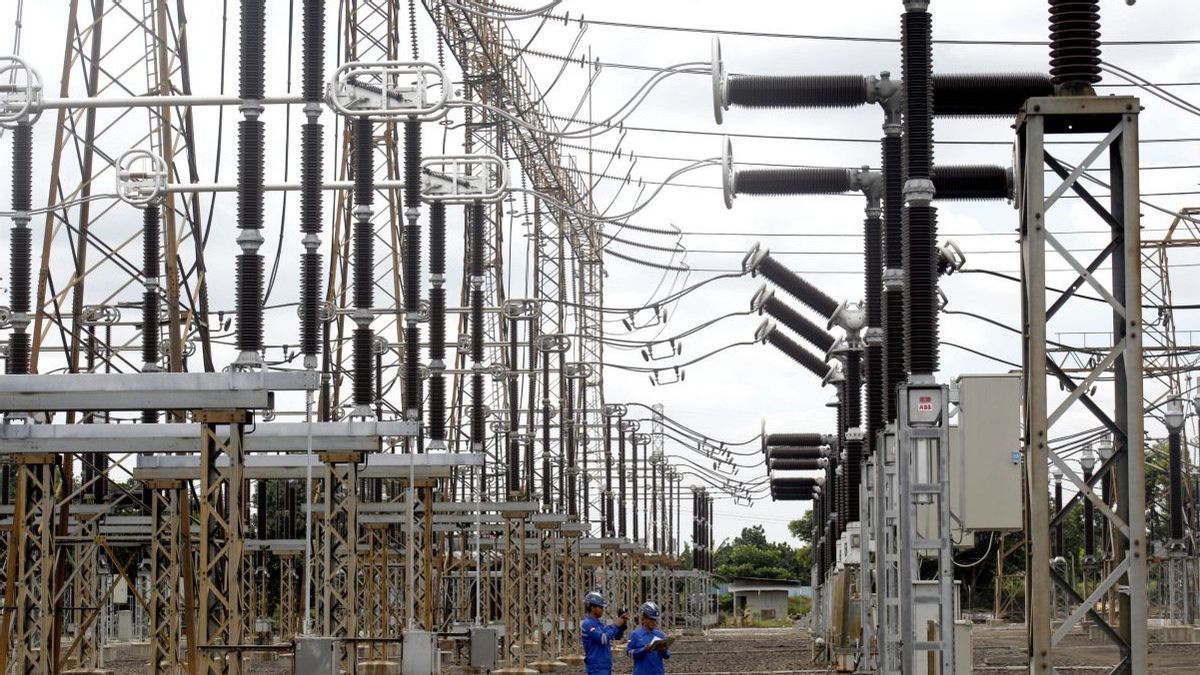


JAKARTA - PLN Energi Primary Indonesia (PLN EPI) is accelerating the development of the LNG midstream project as a strategy to maintain the reliability of the primary energy supply while reducing the cost of providing electricity (BPP). This step is important considering the increasing need for national electricity, while the supply of piped gas to a number of electricity systems is decreasing.
General Manager of the Project Unit (UP) GBM PLN EPI Agus Purnomo explained that PLN EPI now plays a central role in providing PLN power plants feedstock, ranging from gas, LNG, fuel, coal, to bioenergy including biogas development.
"We see that the need for electricity continues to rise according to the RUPTL, and PLN EPI must ensure the availability of feedstock to support the readiness of the plant," Agus said, Wednesday, November 26. According to Agus, the projected national electricity demand in 2034 will reach 511 TWh, still dominated by Java Island but with significant growth in Kalimantan and Sulawesi. Meanwhile, the supply of piped gas continues to decline and fuel consumption for power plants has increased by 10 15 percent since 2023.
The increase in fuel consumption is of course a burden on the Cost of Electricity Production. Therefore, the conversion of fuel to gas is no longer an option, but a necessity, "he said. This year, PLN EPI noted that LNG needs reached around 90 cargoes and are projected to increase to 104 cargoes next year. With the capacity of coal plants that cannot increase, the increase in energy needs will be met from LNG.
We are developing midstream LNG infrastructure so that the supply system can be more flexible and efficient. Demand and supply must be integrated, "explained Agus. He added that this integration allows a multi-destination pattern, where LNG supply can be diverted quickly when there are generating plants experiencing disruption. In its development, the LNG midstream project is into two phases. The first stage includes the construction of supply facilities in Nias, six points in Sulawesi Maluku, eight points in Nusa Tenggara, and four points in North Papua. The Nias project is now entering the final stage of construction and is targeted for commissioning at the end of November or early December before it fully operational January 2026.
"When this first cluster operates, we can reduce the use of fuel up to 2.3 million kilometers per year from the logistics side," he said. After the first phase is complete, development will continue to the next cluster, including areas that still depend on fuel such as East Halmahera, Sanana, Sofifi, Morotai, Bangka Belitung, to several points in Kalimantan. PLN EPI is also accelerating the gas supply strengthening project in Java-Madura-Bali considering that the supply of piped gas from Sumatra and East Java is expected to be even tighter.
A number of new FSRUs are being planned, including FSRU West Java 2 in Muara Tawar, and FSRU in Bali, Cilegon, West Kalimantan, Central Kalimantan, Pomala, and Stargate.
SEE ALSO:
-
 | EKONOMI
Kemenkop dan PLN EPI Kerja Sama Kembangkan Ekosistem Biomassa Berbasis Koperasi Kerja
21 November 2025, 15:56


The East Java FSRU will support the supply of gas transmission networks, especially to support the addition of the Java Bali 3 CCCT plant, explained Agus. He emphasized that the success of the execution of these projects requires the support of all partners and stakeholders. According to him, the conversion of fuel to gas not only increases the efficiency of generation and lowering BPP, but also accelerates the use of cleaner energy. We cannot run alone. PLN EPI invites all partners to collaborate so that the primary energy supply remains reliable, both in Java, Bali, and outside Java. Together, we realize efficient, clean, and reliable energy security".
The English, Chinese, Japanese, Arabic, and French versions are automatically generated by the AI. So there may still be inaccuracies in translating, please always see Indonesian as our main language. (system supported by DigitalSiber.id)


