

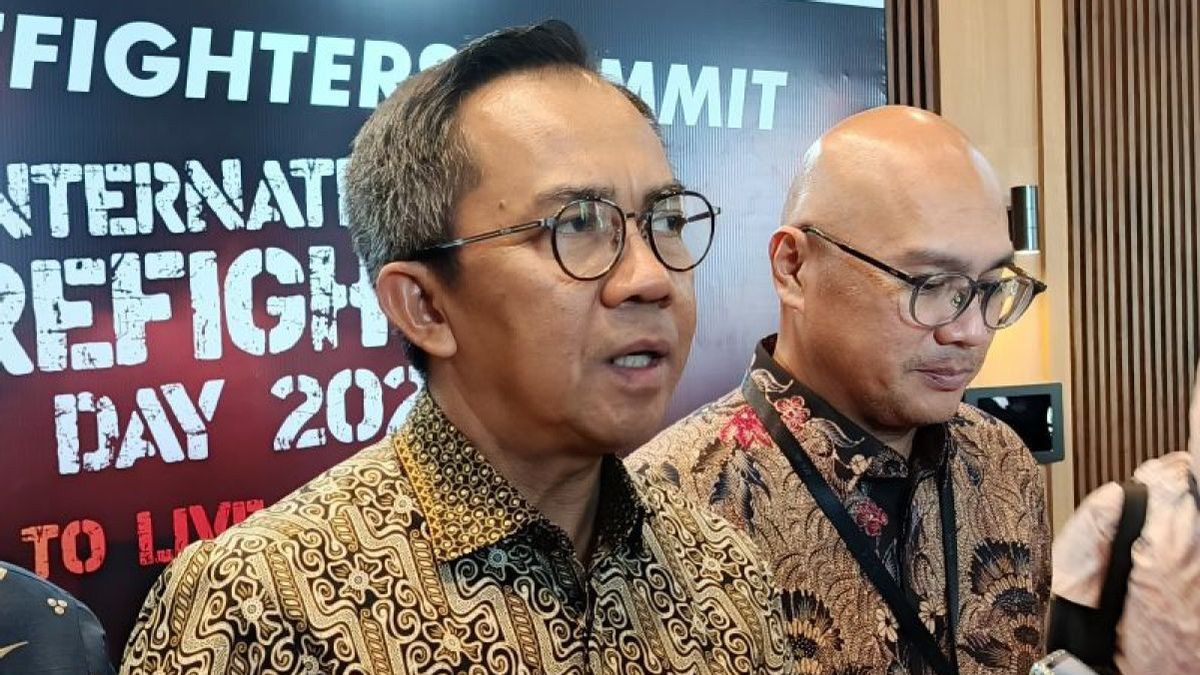


JAKARTA - PT Kilang Pertamina Internasional (KPI) will start a trial production of bioavtur made from crude oil or used cooking oil in the second quarter of 2025.
KPI President Director, Taufik Aditiyawarman said this trial would be conducted at the Cilacap Refinery, Central Java with an initial production target of 9,000 barrels per day.
"Cilacap refinery can process used cooking oil 9,000 barrels per day," said Taufik, Tuesday, March 18.
He added that the production of this bioavtur uses the coprocessing method with a mixture of broken oil as much as 3 percent in each daily production.
With this scheme, for 9,000 barrels of avtur produced, it takes about 270 barrels of crude oil.
"KPI has prepared cooperation with various oil collectors to ensure the availability of raw materials," he said.
In addition, KPI also established synergies with Pertamina Patra Niaga to obtain crude oil supplies.
Pertamina, he said, targets this bioavtur to meet the needs of international flights that have implemented environmentally friendly fuel policies.
Taufik further explained that countries such as Singapore and Malaysia have required airlines to use 1 percent of sustainable fuel in their operations. With the production of this bioavtur, airlines that transit in Indonesia can recharge their fuel according to applicable regulations in the destination country.
"This shrimp oil bioavtur will also be tested before use. The tests include static tests and flight tests to ensure the quality and performance of the fuel," he explained.
In the early stages, Taufik said Pelita Air will be the first airline to use bioavtur from this broken oil.
Previously, similar trials had been carried out with a mixture of 2.4 percent using refined bleached debris palm kernel oil (RBDPKO).
SEE ALSO:
-
 | EKONOMI
Bakal jadi Bahan Bakar Pesawat, Pertamina Kaji SPBU untuk Penampungan Minyak Jelantah
10 September 2024, 18:41


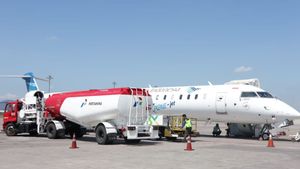
According to him, the Cilacap Refinery is the first location for bioavtur production made from crude oil, and if the business ecosystem has been running sustainably, the Plaju and Dumai Refinery refineries can also be another refinery option to produce avtur made from jelantah oil.
"With this additional facility, the production capacity of biavtur can later increase and maximize the use of bioavtur in Indonesia," said Taufik.
In this project, there is not much need for new investment in refinery development because it relies on existing coprocessing technology.
The strategic partnership scheme with non-governmental oil collectors and market players is being explored to support the continuity of this project, said Taufik.
The English, Chinese, Japanese, Arabic, and French versions are automatically generated by the AI. So there may still be inaccuracies in translating, please always see Indonesian as our main language. (system supported by DigitalSiber.id)
Most Popular Tags
#Prabowo Subianto #donald trump #2026 World Cup #Febrie Adriansyah #8791Popular


