

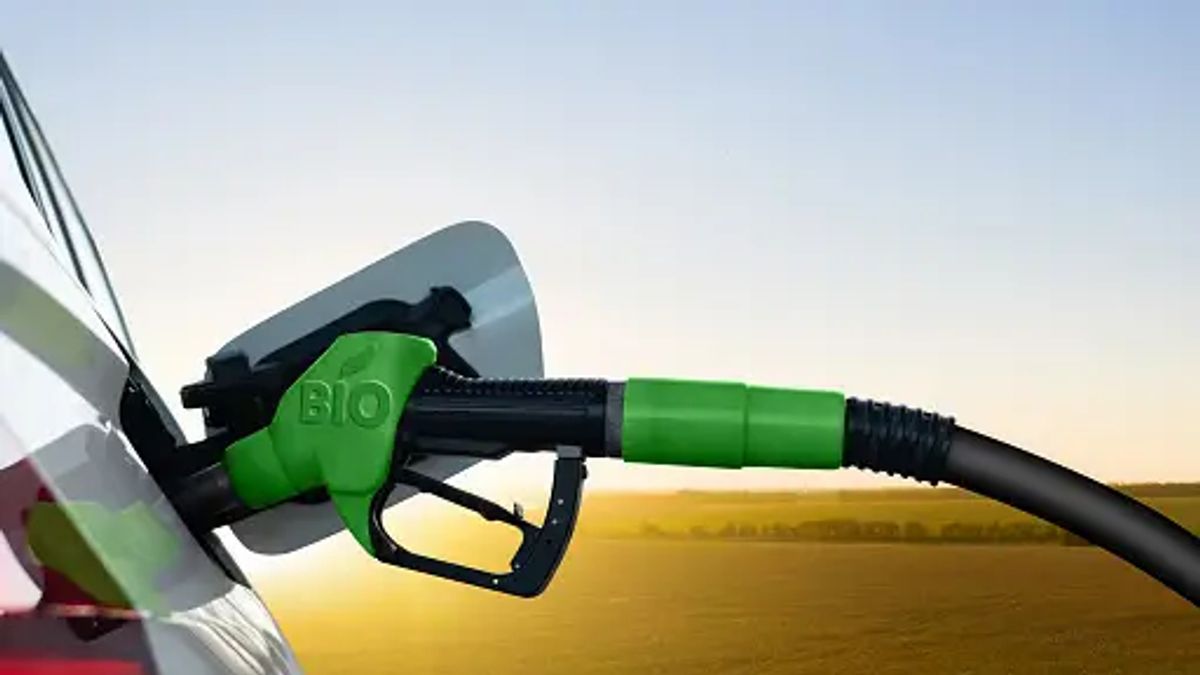


JAKARTA - The Ministry of Energy and Mineral Resources (ESDM) is preparing concrete steps to utilize biofuel (BBN) ahead of the implementation of B50.
This commitment was reiterated by the Ministry of Energy and Mineral Resources (ESDM) through the Decree of the Minister of Energy and Mineral Resources Number 113.K/EK.05/MEM.E/2026 concerning the Implementation of BBN Utilization and the Minister of Energy and Mineral Resources Regulation Number 4 of 2025 concerning the Operation and Utilization of BBN.
Director General of New and Renewable Energy and Energy Conservation (EBTKE) Eniya Listiani Dewi emphasized that vegetable fuels have a strategic role in strengthening national energy independence. In addition, its utilization also encourages the increase in the renewable energy mix, reduces import dependence, and supports the growth of industries based on domestic resources, while reducing emissions in the energy sector.
Eniya explained that the strengthening of this policy was designed so that the mandatory implementation of biofuels could take place consistently, but remain adaptive to national readiness. Thus, each stage of utilization, including B50, can be implemented realistically according to the capacity of raw materials, infrastructure, financing, and the readiness of the user sector.
"Through a more comprehensive arrangement and clear approach, we want to ensure that the utilization of BBN can be implemented optimally, while taking into account the readiness of raw materials, infrastructure, and industry support," explained Eniya, Wednesday, April 8.
The Ministry of Energy and Mineral Resources Decree on the Implementation of the Utilization of BBN is considered as a strategic reference to encourage investment and development of the national BBN industry. This policy regulates the implementation of the gradual mixing of BBN in fuel oil, taking into account the readiness of raw materials, infrastructure, special financing support for the PSO sector, and the readiness of the user sector.
Meanwhile, the Ministry of Energy and Mineral Resources Regulation Number 4 of 2025 serves as the basis for more comprehensive regulation of BBN operators. This regulation covers the types of BBN, the business chain from provision to distribution and end use, business entity obligations, pricing, to technical, safety, environmental, incentive, and carbon economic value implementation aspects.
The penetration includes various types of vegetable fuels, ranging from biodiesel, bioethanol, biohydrocarbon diesel, to bioavtur, which will be implemented gradually according to national readiness.
The positive response to this policy also came from industry players. Representative of the Indonesian Motor Vehicle Industry Association (GAIKINDO), Abdul Rahim, expressed support for the implementation of biofuels as part of strengthening national energy security.
"We support the use of biofuels as a strategic step to strengthen national energy resilience, while paying attention to the suitability of the characteristics of various vehicle technologies in Indonesia," he said.
Meanwhile, representative of the Association of Oil Collectors for Renewable Energy Indonesia (APJETI) Matias Tumanggor assessed that this policy opens up a wider space for renewable energy raw material business actors to contribute.
"The policy of utilizing BBN provides a great opportunity for the utilization of waste oil as a raw material for biodiesel and bioavtur, as well as encouraging the development of a circular economy in the energy sector," he said.
The English, Chinese, Japanese, Arabic, and French versions are automatically generated by the AI. So there may still be inaccuracies in translating, please always see Indonesian as our main language. (system supported by DigitalSiber.id)
Popular


