



JAKARTA - The government has set a 38 percent increase in the aviation industry's fuel surcharge amid global economic pressures and geopolitical dynamics that have an impact on the aviation industry. This policy applies to both jet aircraft and propeller aircraft.
For information, the fuel surcharge is an additional fee that airlines charge passengers to cover the increase in the price of aircraft fuel (avtur).
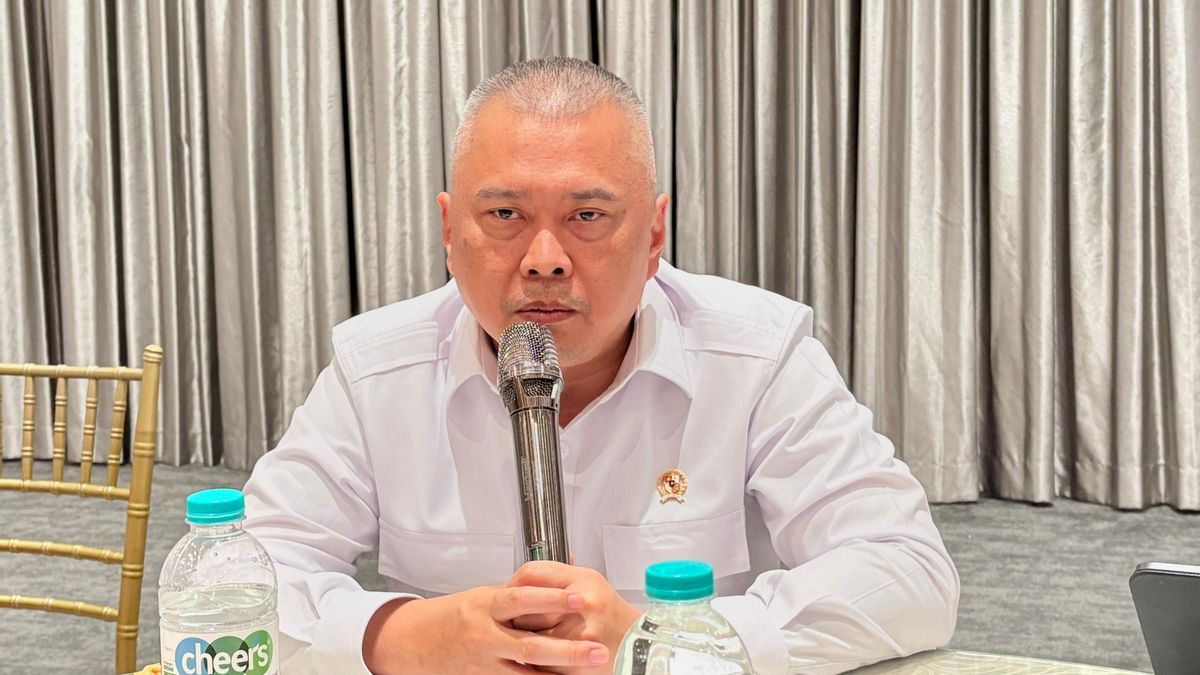
Minister of Transportation (Menhub) Dudy Purwagandhi said the increase was not unilaterally determined, but through coordination with airlines operating in Indonesia, especially domestic flights.
"In determining the fuel surcharge, we have coordinated with all airlines operating in Indonesia, especially domestic ones, so that we can determine that the increase in the fuel surcharge is 38 percent," Dudy said in a press conference, in Jakarta, Monday, April 6.
Dudy emphasized that this policy is the result of input from various parties in the aviation industry, so that it is expected to be accepted by all stakeholders.
"We are not one-sided in determining this increase in fuel surcharge, but through coordination and input from parties, especially from airlines," he said.
As a balancing step, continued Dudy, the government also removed import duties for aircraft parts. This policy is expected to reduce airline operating costs amid rising fuel costs.
"We would like to express our gratitude to the Coordinating Minister for the Economy and the Minister of Finance for agreeing to remove import duties on aircraft parts, so that in the future it is expected to reduce the cost burden of the national airline's operations," he said.
According to Dudy, this combination of policies is an effort by the government to maintain a balance between the sustainability of the aviation industry and protection of the public as service users.
"This policy is to maintain a balance between the sustainability of our national aviation industry and also provide protection for people's purchasing power," explained Dudy.
He hopes that the policy can be understood by the public and aviation industry players, given the global conditions that are currently pressing the air transportation sector.
"We hope that this policy can be understood by the public and also by the aviation industry or aviation industry," he concluded.
The English, Chinese, Japanese, Arabic, and French versions are automatically generated by the AI. So there may still be inaccuracies in translating, please always see Indonesian as our main language. (system supported by DigitalSiber.id)
Popular


