

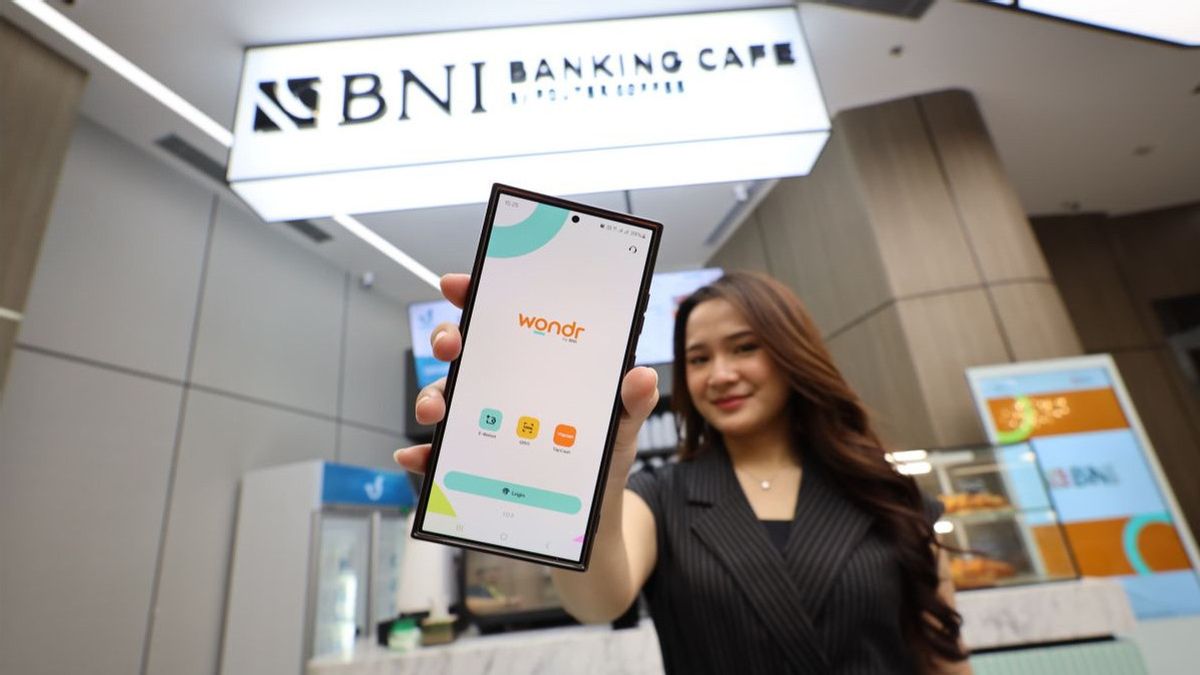


JAKARTA - PT Bank Negara Indonesia (Persero) Tbk (BBNI) reminds customers to increase vigilance against various cyber crime modes, especially phishing, as transaction activities increase during Ramadan and before Lebaran.
The momentum of the disbursement of Eid al-Fitr allowance (THR) is often used by digital crime perpetrators to target people's savings.
BNI Corporate Secretary Okki Rushartomo said the increase in financial transactions during the Ramadan period made the risk of cyber attacks also increased.
"Customers need to increase their vigilance against various increasingly sophisticated digital fraud methods, especially before Lebaran when financial transactions increase significantly," Okki said in a written statement, Tuesday, February 24.
According to him, phishing is still one of the most common forms of cybercrime.
In this mode, the perpetrator disguises himself as an official institution or trusted party to steal personal data, such as usernames, passwords, OTP codes, and credit card information.
"Phishing attacks are usually carried out through emails, short messages (SMS), phone calls, and social media. The perpetrators send messages that seem convincing so that the victim clicks on a fake link, opens a dangerous attachment, or unknowingly provides sensitive information," he said.
Okki explained that phishing can be the gateway to more serious crimes, ranging from identity theft to account takeover and illegal transactions that harm customers.
In fact, the latest trends show that attacks are becoming more targeted and difficult to recognize because they use artificial intelligence technology.
Some of the features that should be watched out for include the sender's email address that is suspicious, the use of common greetings such as "Dear Customer", urgent language, and links that resemble official sites but have different addresses.
BNI urges customers to always check the sender's address and ensure that the message comes from an official source.
The public is also asked to avoid opening attachments from unknown senders, enabling two-factor authentication (2FA), and using strong and unique passwords.
"Last but not least, don't carelessly click links or links shared via email, chat, SMS, and so on," said Okki.
He added that customers should not share personal data, PIN, password, or OTP codes with anyone, including parties claiming to be from the bank.
If you find suspicious activity or suspected phishing, you can report it via email [email protected].
BNI also emphasized that all official information is only communicated through the company's official channels, such as BNI Call 1500046, Instagram account @bni46, X account @BNI and @BNICustomerCare, as well as BNI Facebook.
Complaints related to alleged fraud involving BNI accounts can also be made through the Indonesia Anti-Scam Centre (IASC) of the Financial Services Authority through the iasc.ojk.go.id website.
The English, Chinese, Japanese, Arabic, and French versions are automatically generated by the AI. So there may still be inaccuracies in translating, please always see Indonesian as our main language. (system supported by DigitalSiber.id)


