


JAKARTA - The Indonesian Social Survey (ISS) released a new national survey that describes the quality of life of the Indonesian people. The national quality of life index reached a score of 65 out of 100, classified as quite good. The public feels happier, healthier, safe, and believes in the government.
However, the Executive Director of the ISS, Whinda Yustisia, said that behind this optimism, challenges in the economic sector are still common homework. Because, from the seven aspects measured, economic welfare got the lowest score, only 42.6. This figure shows that the cost of living is still overshadowing the Indonesian family.
"In general, the public feels quite happy and safe. But the economic aspect of the household remains the biggest challenge," said Whinda in an official statement, Friday, August 22.
Even so, continued Whinda, the level of public satisfaction with the government was actually high, reaching 78 percent. The ISS notes that this satisfaction is more influenced by non-economic factors, such as a sense of security, educational services, and political legitimacy.
Whinda said that of the 39 indicators measured, only eight were significant in explaining the level of satisfaction with the government, including living satisfaction, educational facilities, a sense of security, as well as trust in the President, Vice President, Minister, TNI, and the course of democracy.
"Trust in the president has even reached the highest number since the reform era, which is 90.9 percent," said Whinda.
Whinda said the Free Nutrition Eating (MBG) program was one of the factors that maintained public optimism. The ISS found that 67 percent of respondents said the MBG spontaneously, 89 percent recognized it, and 82 percent considered its benefits positive.
"Even so, some people feel that the benefits of MBG are still limited and have not fully eased the burden on the household economy," he said.
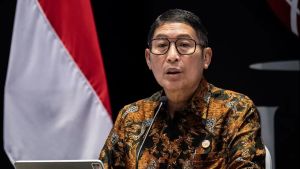
Meanwhile, Spokesperson for the Presidential Communication Office, Fitra Faisal, said that for the government, MBG is one of the main interventions in improving the quality of people's lives, especially in terms of family spending.
SEE ALSO:
-
 | EKONOMI
Sri Mulyani Atur Kembali Transaksi Buyback dan Penjualan SBSN Lewat PMK Terbaru
14 Agustus 2025, 16:05 -
 | EKONOMI
OJK Catat Penghimpunan Dana Pasar Modal Capai Rp144,78 Triliun hingga Juli 2025
04 Agustus 2025, 17:47
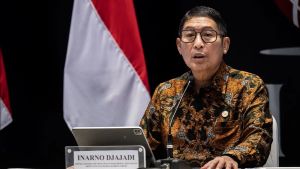
Even though it doesn't add direct income such as cash assistance, MBG helps reduce the burden of daily spending. For example, two school children can save up to IDR 600,000 per month," explained Fitra.
As of August 2025, continued Fitra, the MBG program has reached 12 to 20 million beneficiaries, and absorbs 290,000 workers. The government has also allocated a budget of IDR 757.8 trillion for the education sector, including renovations of 800 madrasas, 11,686 schools, and improving teacher quality.
Fitra emphasized the importance of developing human resources as the main pillar towards Indonesia Gold 2045.
"Industrial growth will be in vain if the community does not have the competence that suits future needs. Therefore, development must prepare Indonesians to be ready to face the era of society 5.0," he said.
The English, Chinese, Japanese, Arabic, and French versions are automatically generated by the AI. So there may still be inaccuracies in translating, please always see Indonesian as our main language. (system supported by DigitalSiber.id)
Most Popular Tags
#Prabowo Subianto #donald trump #2026 World Cup #venezuela #konflik timur tengahPopular


