



China launched the Shenzhou-23 manned spacecraft on Sunday (25/5) evening, with the target that one of the astronauts would no longer carry out a six-month mission as usual but a full year, amid continued competition with the United States.
The Long March 2F rocket carrying the three astronauts in the spacecraft took off from the Jiuquan Satellite Launch Center in northwest China's Gansu Province.
The Shenzhou-23 mission also marked the first participation of Hong Kong residents in China's national space mission. Lai Ka-ying, a cargo specialist, became China's fourth woman to go into space.
Reported by ANTARA from Kyodo-OANA, Hong Kong authorities said Lai was a police chief in the semi-autonomous territory's police force and a computer forensics expert.
Chinese state media reported the crew will carry out more than 100 scientific research projects and application experiments in various fields, including life sciences, aerospace medicine, and new aerospace technology.
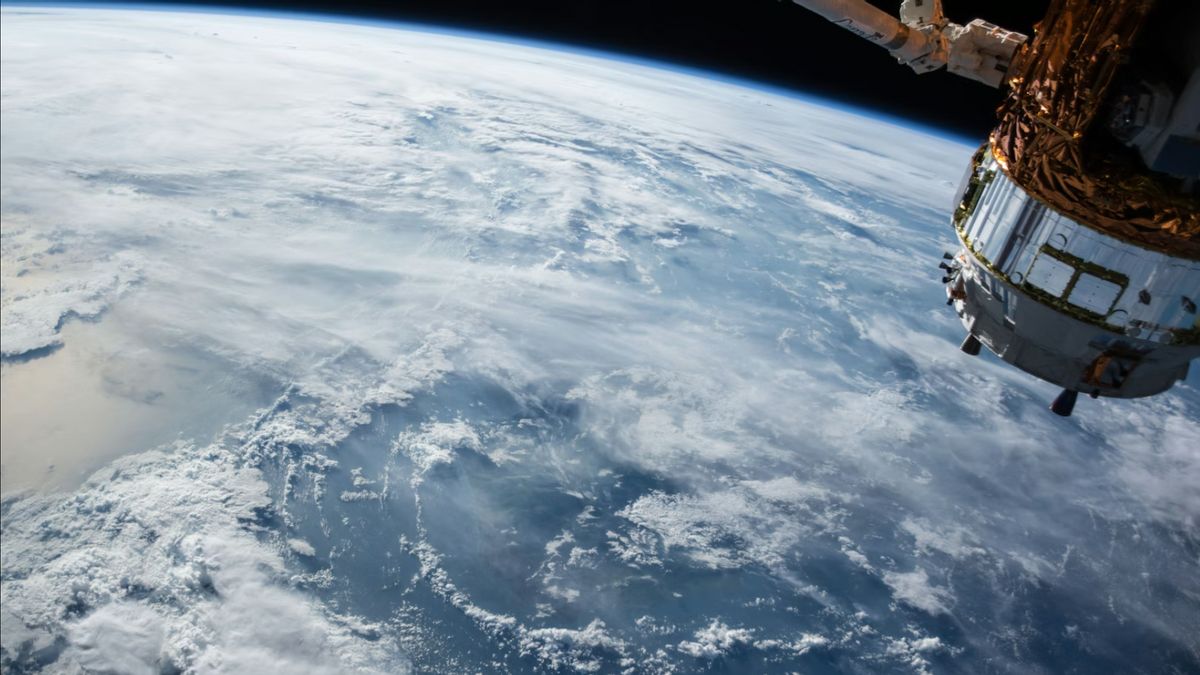
As part of China's space capabilities and its commitment to long-term human presence in space, one of the three crew members is expected to undergo an experiment of living in orbit for one year on the Tiangong space station.
Since the completion of the space station in 2022, the crew on previous missions only served for six months.
The launch of Shenzhou-23 comes as China and the United States both aim to land astronauts on the Moon in the coming years.
Last April, NASA's Artemis II mission marked the first manned flight around the Moon in more than five decades after making the farthest human journey from Earth in history.
China's manned space agency is targeting the first human landing on the Moon by 2030, while NASA is working to establish a permanent human presence on and around the Moon in the coming decade.
Last month, China also announced that two Pakistani astronauts had been selected to undergo training for a mission to the Tiangong space station later this year.
According to state media, after completing all the training and evaluation, one of them will become the first foreign astronaut to serve on China's space station.
The English, Chinese, Japanese, Arabic, and French versions are automatically generated by the AI. So there may still be inaccuracies in translating, please always see Indonesian as our main language. (system supported by DigitalSiber.id)
Most Popular Tags
#Prabowo Subianto #donald trump #Febrie Adriansyah #8791 #giias 2026Popular


