

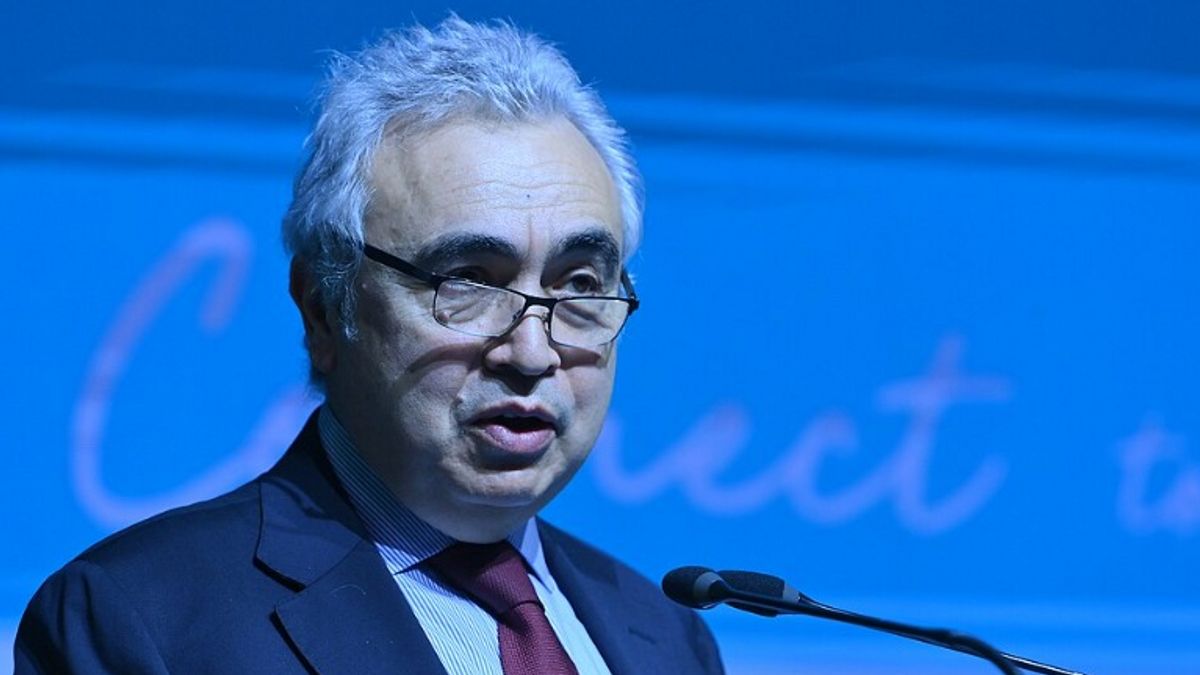


JAKARTA - Tensions in the Strait of Hormuz show that the global energy market is not yet safe. Head of the International Energy Agency or IEA, Fatih Birol, assessed that the world's energy system is still fragile and easily shaken.
In an interview with France Inter, quoted by Anadolu Agency, Tuesday, April 21, Birol said disruptions in the Strait of Hormuz could have a wide impact on the energy market and the world economy. The narrow waterway, he said, is now one of the most vulnerable points.
"We live in a very fragile situation," Birol said. He also called this state "absurd, but real".
According to Birol, the world energy market is still very easily influenced by geopolitical developments. Not only wars and supply disruptions, but also statements from figures such as US President Donald Trump on trade and energy policy.
Birol also alluded to the war in Ukraine which disrupted oil and gas flows, then changed the global supply chain, especially in Europe. In the midst of this change, Russia remains an important player in the world energy market despite being sanctioned and its trade routes shifting.
He assessed that the current situation is even more severe than the oil shock in the 1970s. Because, what is affected is not only oil, but also gas, fertilizer, and petrochemicals. As a result, it can spill over into many sectors: inflation is getting heavier, global growth is slowing down, and developing countries are bearing a greater burden.
For Europe, Birol assessed that countries such as France are relatively more prepared. However, that does not mean that they are free from pressure. Energy prices remain high and household purchasing power remains tight.
He also reminded that this crisis will not subside quickly. "The vase has broken. And when the vase is broken, you can't fix it completely," said Birol. According to Birol, the energy market and infrastructure could take at least two years to return to normal.
Amid this pressure, Birol sees another possibility: the energy transition could accelerate. Renewable energy, nuclear power, and electric vehicles are considered to have the potential for a boost. Even so, some countries may still increase their use of coal for a while.
The English, Chinese, Japanese, Arabic, and French versions are automatically generated by the AI. So there may still be inaccuracies in translating, please always see Indonesian as our main language. (system supported by DigitalSiber.id)


