

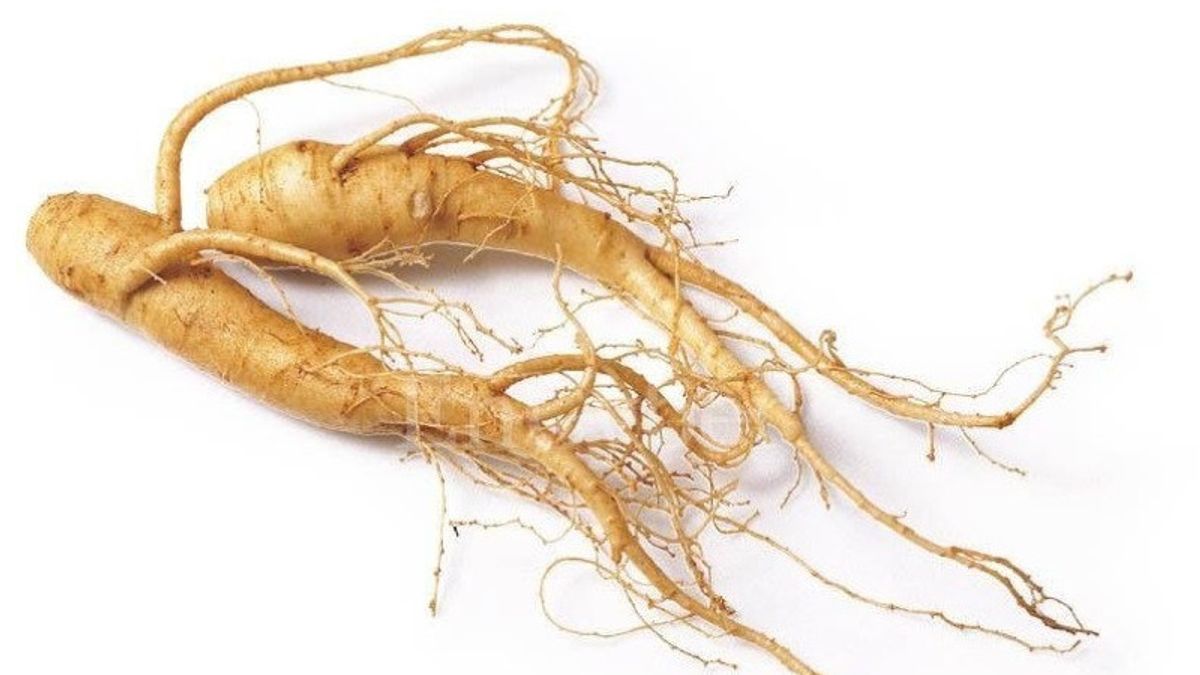


South Korea has applied for ginseng culture to be included in the UNESCO Intangible Cultural Heritage list and is preparing the taekwondo training tradition for the next submission. Citing Kyodo News, Thursday, April 2, this step was announced by the South Korean cultural heritage authority on Wednesday.
The Korea Heritage Service (KHS) said it had submitted a nomination entitled "Insam Tradition: Knowledge, Skills, and Cultural Practices Related to Ginseng in the Republic of Korea" to the UNESCO Representative List of the Intangible Cultural Heritage of Humanity.
According to KHS, the ginseng tradition reflects the Korean people's long-standing belief in health and longevity. The practice includes cultivation and processing techniques, as well as accompanying customs, such as rituals, food processing, and gift giving. KHS also calls the tradition a symbol of solidarity and collective well-being that is passed down through practice and education.
The final decision on the nomination will be made at the 23rd session of the Intergovernmental Committee for the Protection of Intangible Cultural Heritage in December 2028, after review by the UNESCO Secretariat and the evaluation body.
Still referring to the Kyodo News report, for taekwondo, the KHS said in January that the martial arts training tradition had been selected as a candidate for the next round of submission, either in the form of joint registration or expansion of registration.
The proposal is titled "Taekwondo: Korean Training Tradition Centered on Dojang". KHS describes it as a training culture rooted in the dojang community or training ground, where values and skills are passed down from teacher to student and across generations.
South Korea hopes that taekwondo can be registered with North Korea, as when ssireum or traditional Korean wrestling was included in the UNESCO list in 2018 through joint registration.
However, for taekwondo, it turns out that North Korea first submitted its own nomination in March 2024 with the title "Taekwon-Do, Traditional Martial Art in the Democratic People's Republic of Korea", and the proposal is currently still in the review stage.
The English, Chinese, Japanese, Arabic, and French versions are automatically generated by the AI. So there may still be inaccuracies in translating, please always see Indonesian as our main language. (system supported by DigitalSiber.id)
Most Popular Tags
#Prabowo Subianto #donald trump #2026 World Cup #Febrie Adriansyah #8791Popular


